Cosmetics Business Reveals the Top 5 Make-up Trends of 2026 in New Report
Cosmetics Business has published a trend report identifying five makeup directions it expects to lead 2026, with skinification — the layering of skincare actives into color cosmetics — positioned as the headline shift.

According to the report, prestige hybrid complexion products, next-generation lip tints, and reformulated setting powders are the categories drawing consumer spend across Europe and the US.
Where the demand is being directed
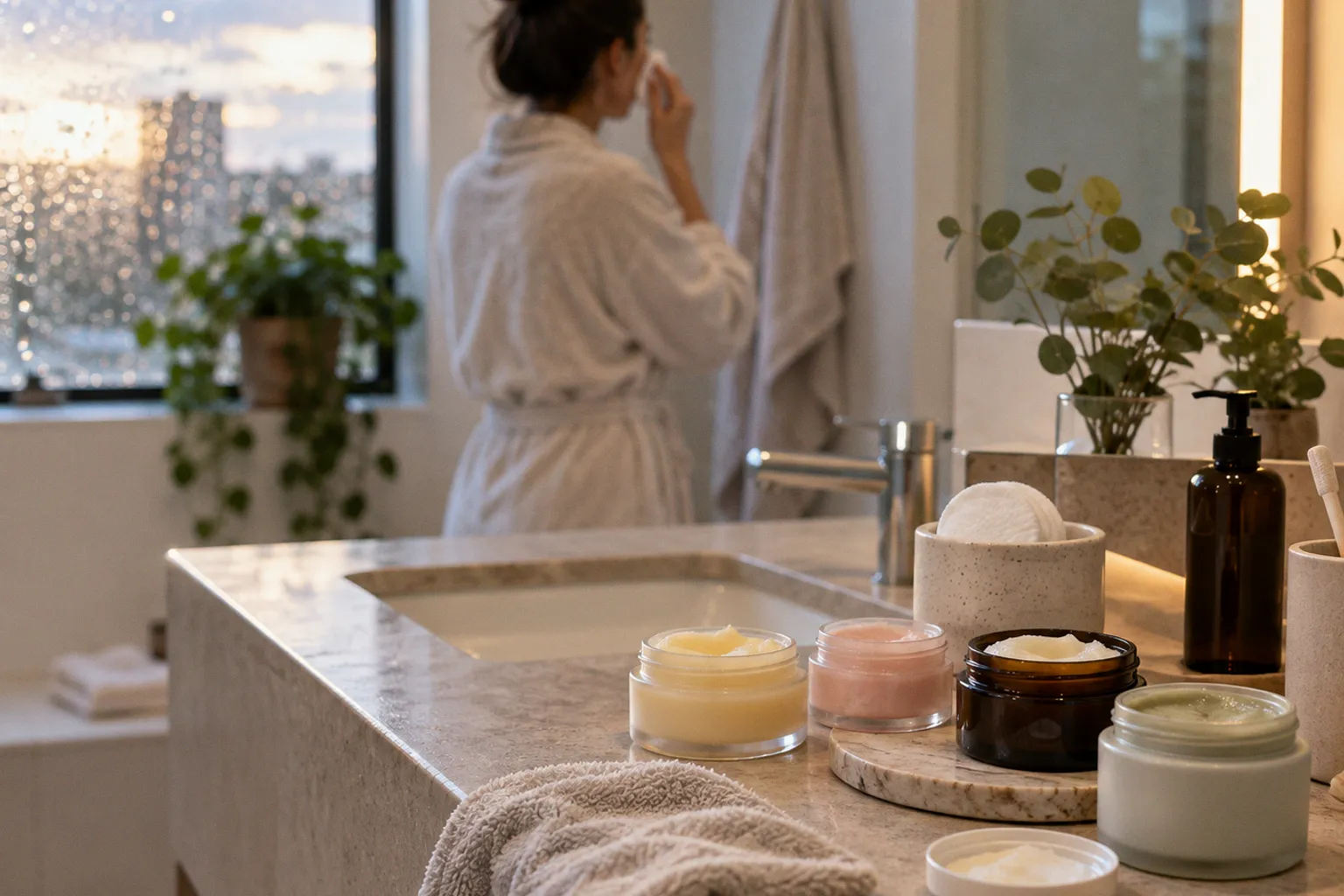
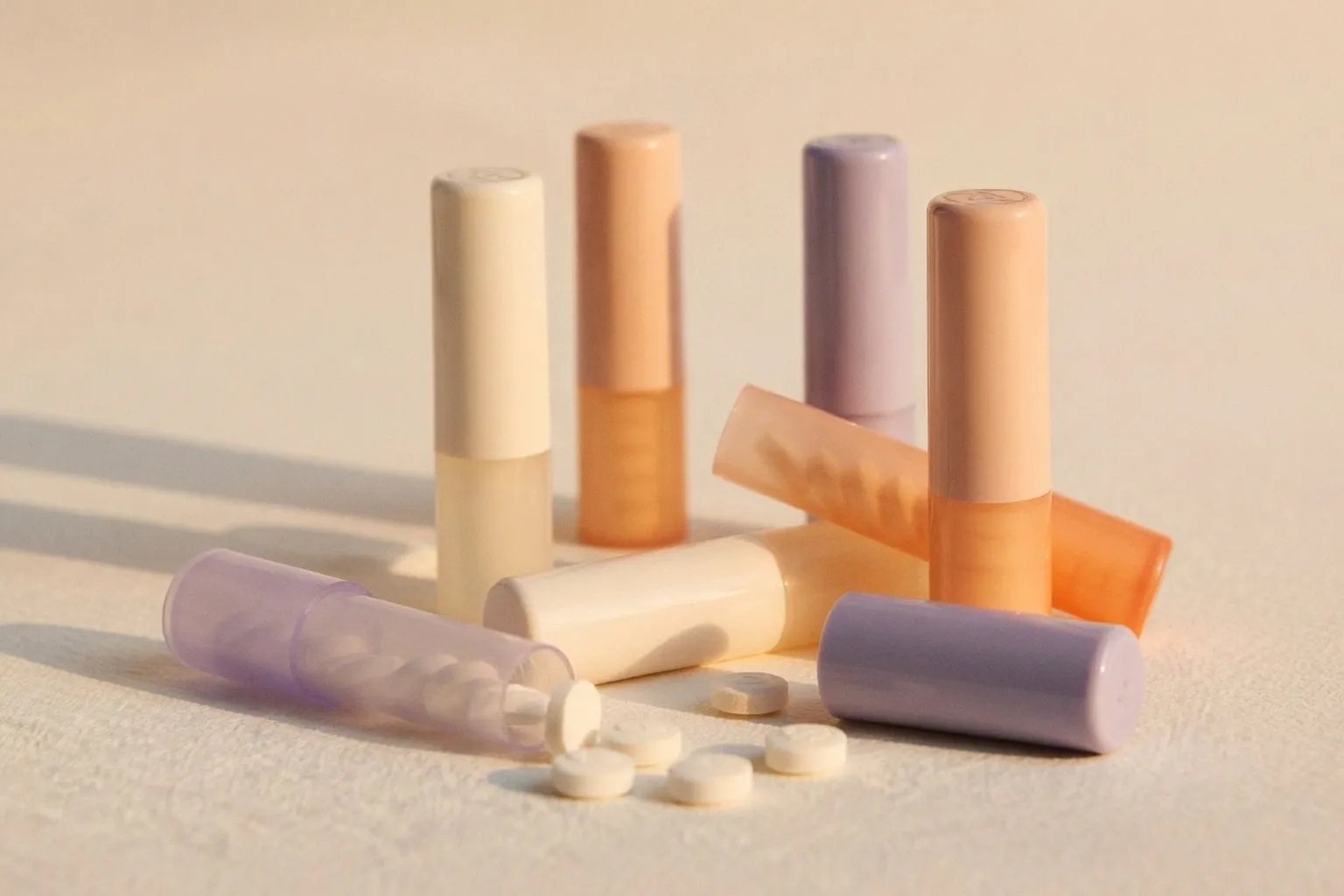
The report frames skinification as a continuation rather than a disruption. Complexion products — tints, skin tints, complexion balms — are being marketed with efficacy claims borrowed directly from skincare: niacinamide, hyaluronic acid, peptides, and ceramide precursors. Lip tints are described as being rebuilt around peptide lip care, where actives historically reserved for facial formulations migrate to the lip surface. Setting powders, the report notes, are being reformulated to move away from silica-talc combinations associated with epidermal barrier disruption on repeated wear.
The structural shift is straightforward: actives are taking precedence over pigments. Coverage, tone, and wear-time claims are secondary to ingredient transparency and concentration disclosure.
Retail shelves are reorganizing
Personal Care Insights reports that major US and UK retailers are reordering their assortments in response. Ulta and Target are described as leaning into skinification, dermacosmetics, and accessible clean formulations. The operational signal is that skincare-adjacent makeup is moving out of prestige-only aisles and into mass retail. Clean formulation standards — shorter INCI lists, fewer flagged allergens, traceable sourcing — are being applied to hybrid complexion products below the prestige price threshold.
Reading the trend with restraint
The skeptical read: skinification is real, but the active load in most hybrid complexion products sits below what the equivalent serum would deliver. Coverage pigments and emulsifiers compete with actives for formulation space, and cosmetic-grade stability windows are narrower than skincare-grade ones. Buyers should check INCI order on the back of the pack — actives listed late in the sequence contribute more to label than to efficacy.
BuzzFeed's dewy-finish product roundup and USA Today's note on Annmarie Skin Care and salt+blue both indicate the same consumer pull from the editorial side: ingredient-forward brands are where coverage and skincare are no longer separated at the shelf.
The trend report's five categories resolve to one verification task for buyers. Read the front of the pack for the claim. Read the back for the position of the active. If the active sits below the fifth INCI slot, the product is a makeup item carrying a skincare story, not a skincare item with makeup performance.