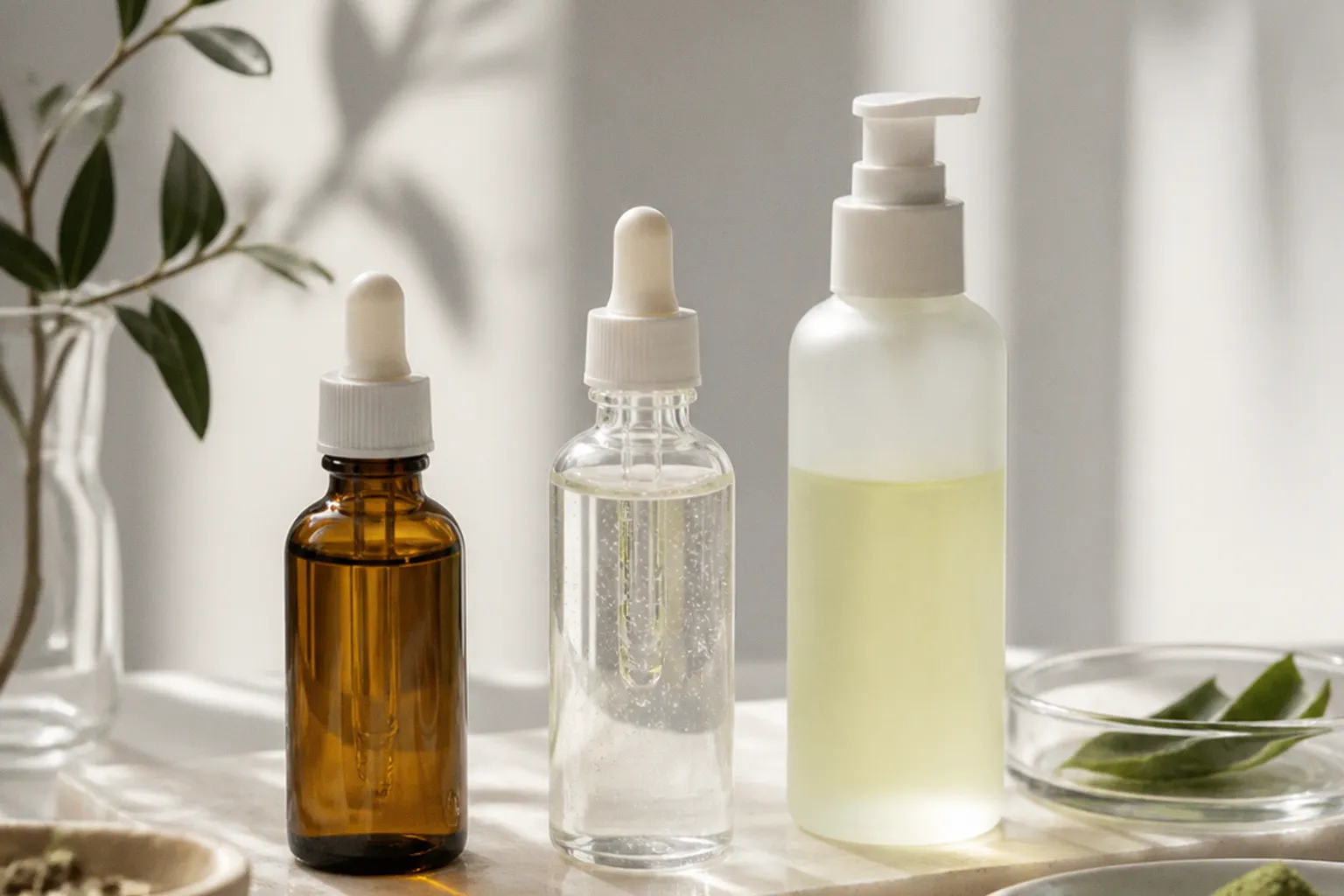
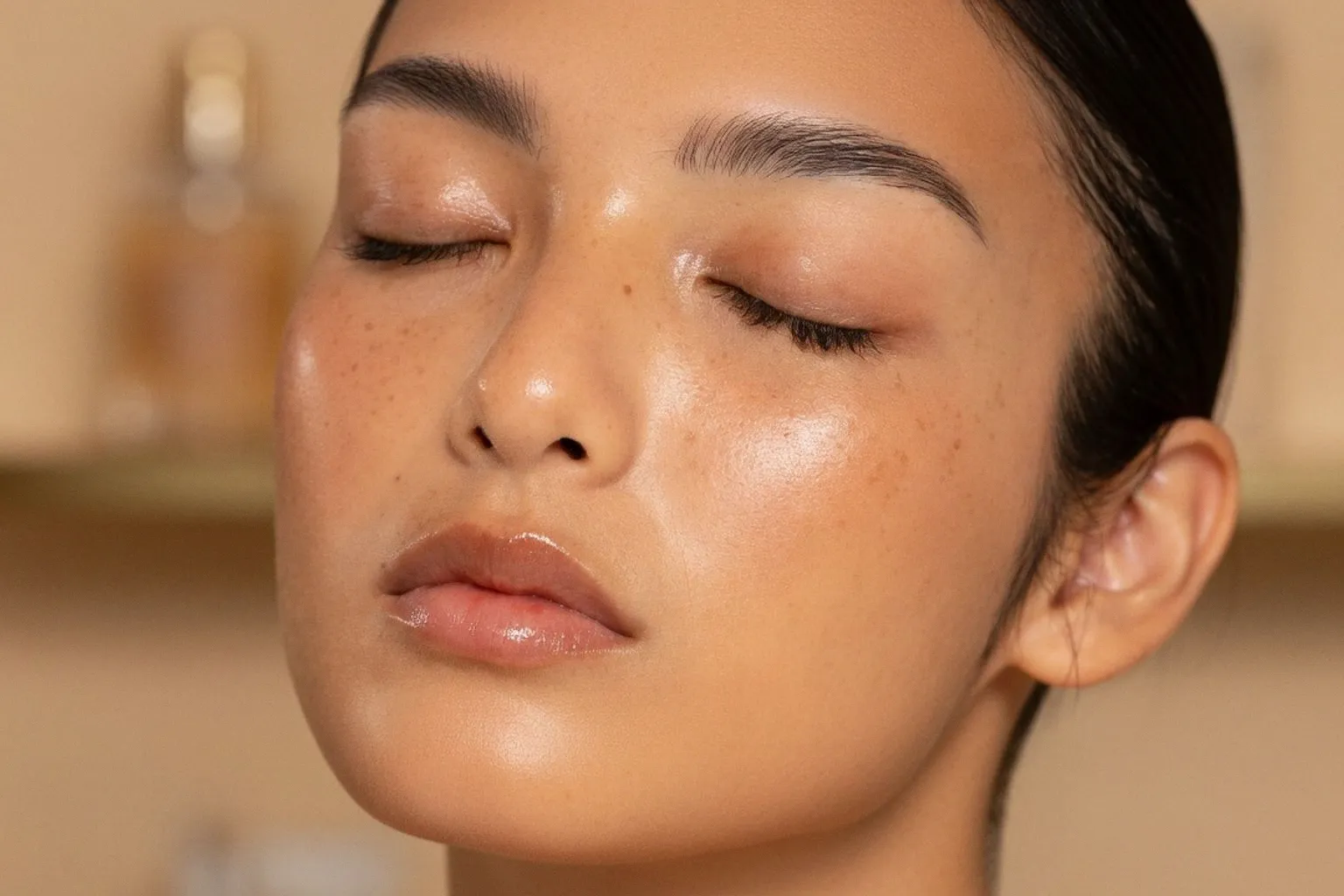
Kay Beauty Expands into Skincare: Why Ingredient Transparency Matters
According to Passionate In Marketing, Kay Beauty is entering skincare with a new hydration range.
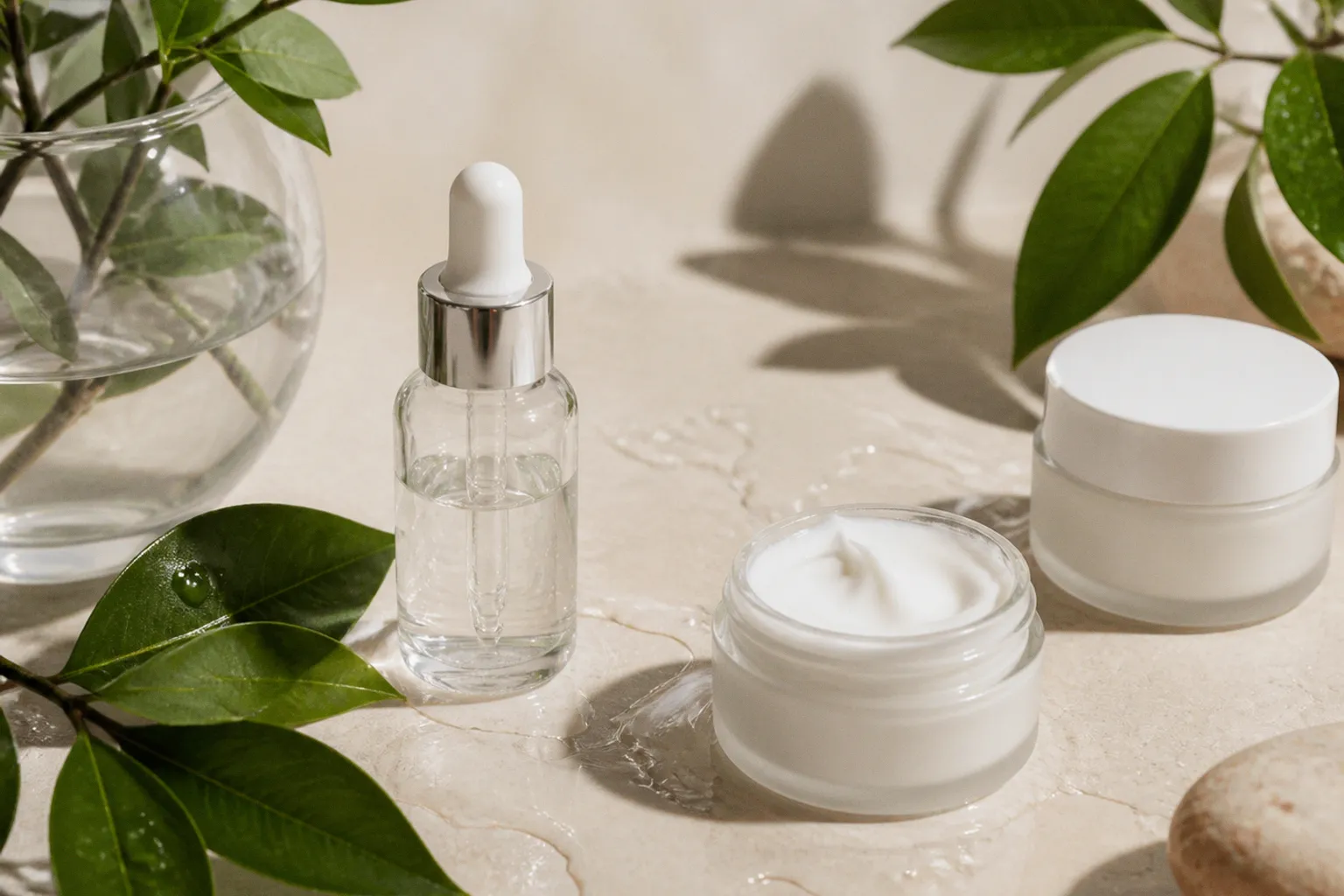
The report establishes the category move, but it does not provide an ingredient list, product count, prices, launch date, or performance data. For a clean-beauty audience, that distinction matters: “hydration” is a product claim, not evidence of a specific humectant system or barrier-supporting formula.
The announcement does not establish efficacy
The available report contains no formulation details. There is no confirmed information on glycerin, hyaluronic acid, panthenol, ceramides, oils, fragrance, preservatives, or molecular weight. It is therefore not possible to assess the range’s water-binding capacity, occlusive profile, oxidation risk, or compatibility with makeup.
The same limitation applies to performance. No wear test, consumer trial, clinical assessment, or comparative result is included. Terms such as “hydrating” and “moisturising” should remain provisional until the packaging or full product pages provide measurable or at least specific formulation information.
This is not a criticism of the range. It is a limit on what the announcement supports.
What to check before buying
The first useful document will be the complete INCI list. Look for the position and combination of humectants, emollients, and occlusives rather than relying on the range name. A lightweight serum can increase water content at the skin surface without providing much reduction in transepidermal water loss. A cream with a stronger lipid or occlusive phase may perform differently under foundation.
Texture also requires verification. Hydration products intended for the face can vary substantially in viscosity and film formation. A formula that leaves a persistent film may interfere with complexion products, while a fast-spreading, low-viscosity product may be easier to layer but offer less surface protection. None of those properties can be inferred from the current announcement.
The clean-beauty positioning also requires evidence. The available facts do not specify which ingredients are excluded, whether the products are fragrance-free, or what preservation system is used. “Clean” is not a standardized formulation metric. The ingredient list remains the relevant test.
Why the timing is relevant to base makeup
The announcement appears alongside recent beauty coverage focused on hydrating products and lightweight serum foundations. That makes the category direction clear, but it does not confirm any relationship between those products and Kay Beauty’s range. It does suggest why the launch may attract attention from shoppers who want skincare and complexion products to work together.
For makeup users, the practical question is not whether the range is described as hydrating. It is whether the products produce a stable film beneath base makeup, whether they alter foundation viscosity during application, and whether they increase separation or pilling after layering. Those details are currently unavailable.
Verdict: Kay Beauty’s skincare entry is confirmed as a reported hydration-range announcement, but the range cannot yet be judged on formulation or efficacy. Until the INCI lists and product specifications are available, treat it as a launch to monitor—not a verified upgrade to a skincare or base routine.