New Washington State Regulations for Toxic-Free Cosmetics and Ingredient Transparency
Washington's Department of Ecology has published updated guidance on the state's Toxic-Free Cosmetics Act, the law restricting specific chemicals in cosmetic and personal-care products manufactured or sold in Washington.

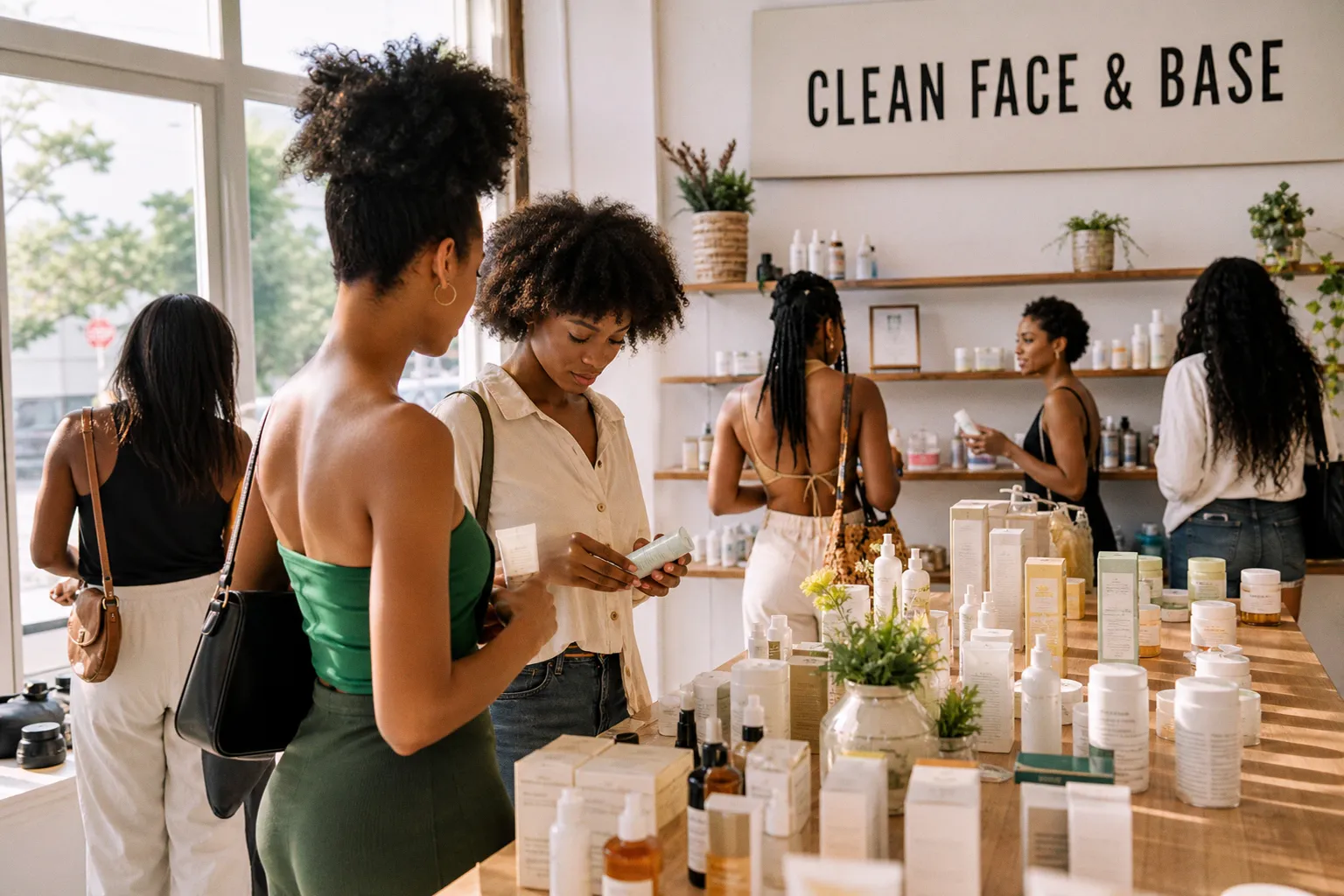
For clean-beat consumers who already screen ingredient lists, the update reframes what "clean" means at a regulatory level — and clarifies which gaps in label transparency remain unresolved.
What's restricted, and why labels understate it
The statute targets defined chemical classes rather than individual compounds. Restricted categories include PFAS (identifiable on labels by the prefix "fluoro"), phthalates (recognizable by name, but frequently concealed within "fragrance"), and substances flagged as carcinogens, endocrine disruptors, or toxic to aquatic systems. Per the agency's published conversation, "many ingredients don't require approval before being used in products" — pre-market safety vetting is not the default pathway to retail.
The labeling gap is structural. INCI panels list individual compounds, not chemical classes. A phthalate inside a fragrance blend reads as "fragrance." Lead present as an impurity does not appear at all. The result: a consumer cannot, from the label alone, confirm or exclude most restricted substances. The agency's consumer guidance therefore leans on proxies — shorter ingredient lists and fragrance-free formulations — rather than direct verification.
Three checks worth applying at the shelf
- INCI length. Shorter lists reduce surface area for undisclosed or ambiguous compounds. Length is a screening heuristic, not a safety metric.
- Fragrance declaration. "Fragrance" or "parfum" can carry phthalates and other restricted substances that do not require individual declaration on the label.
- PFAS markers. Any ingredient name beginning with "fluoro" signals the class. Intentionally added PFAS may also appear in manufacturer disclosures or third-party certifications.
Salon exposure and jurisdictional limits
The law extends support to small businesses. Ecology has completed a pilot program reimbursing salons that purchased products from select recognition programs. Agency staff note that salon professionals face higher cumulative exposure from concentrated formulas and repeated use in enclosed spaces — a variable that typical consumer-focused safety reviews do not weight. The framework applies to Washington only; for consumers in other states, it functions as a reference structure for evaluating formulation claims rather than a binding standard.