Beyond Aesthetics: How Beauty Brands Are Engineering Stress Relief into Skincare
I've been noticing it in my own bathroom cabinet, and now Cosmetics & Toiletries is confirming what many of us have felt intuitively: the newest wave of beauty formulations is asking skin to do more…
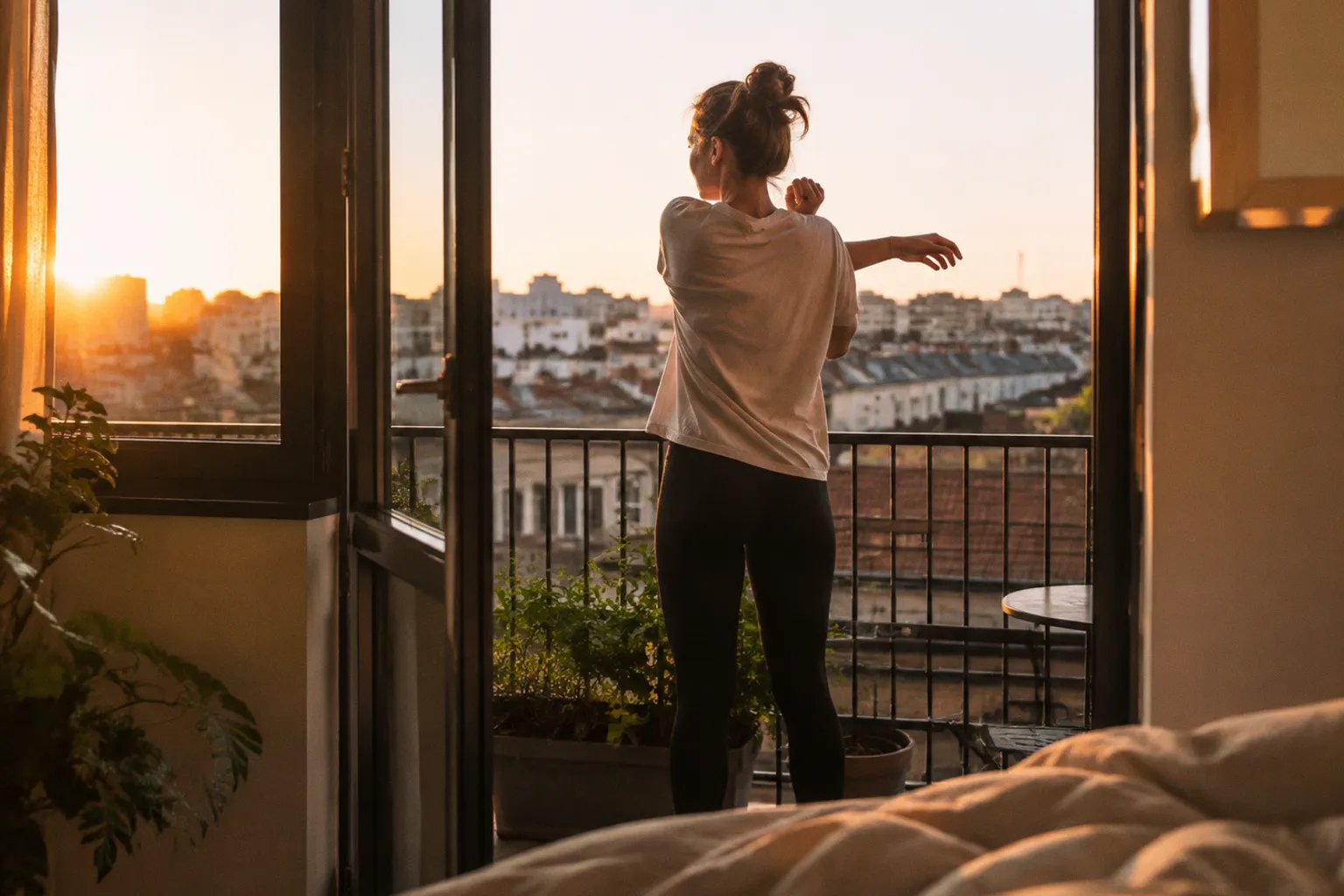
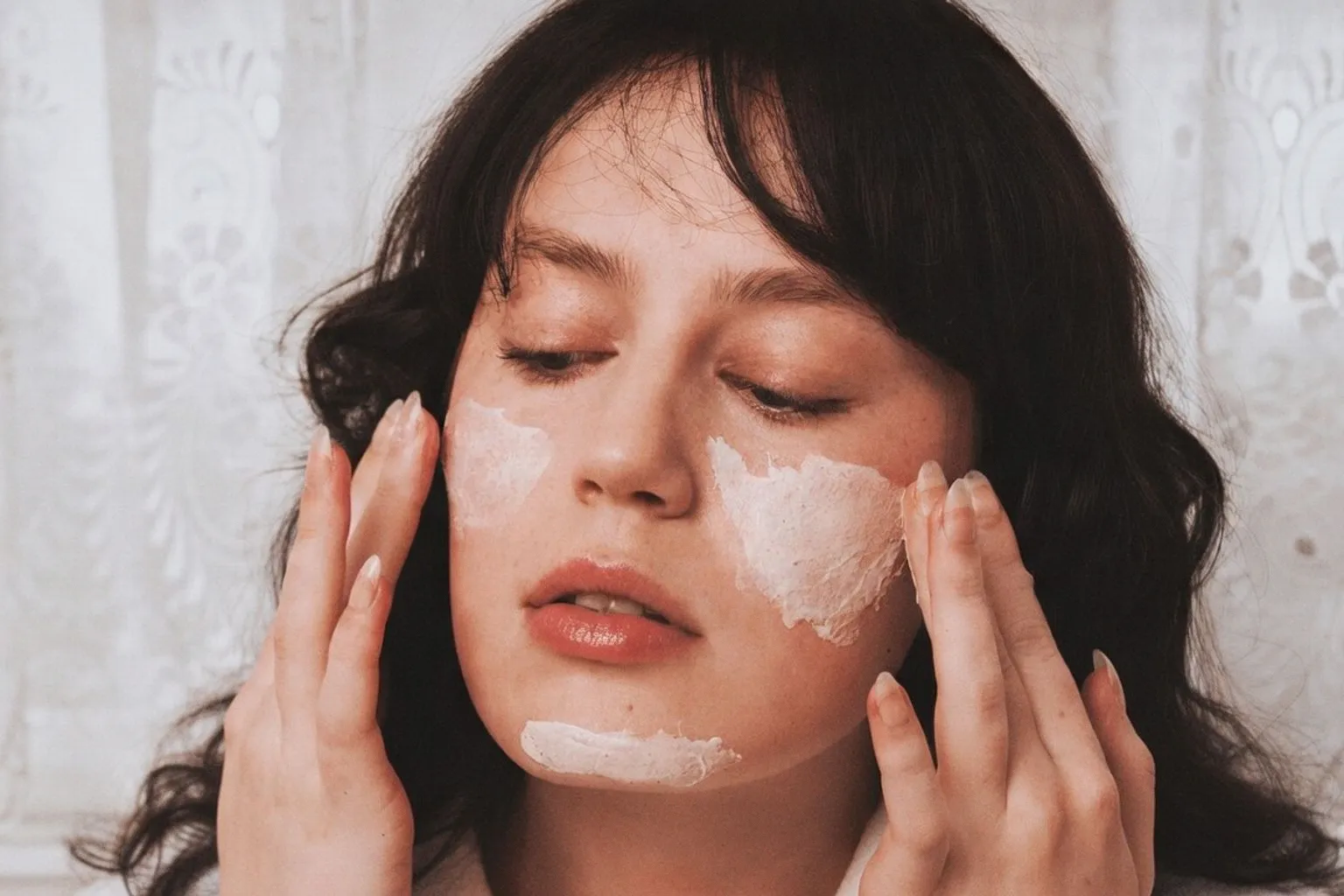
I've been noticing it in my own bathroom cabinet, and now Cosmetics & Toiletries is confirming what many of us have felt intuitively: the newest wave of beauty formulations is asking skin to do more than look good — it's asking products to soothe, decompress, and carry us through the day. According to the trade publication's latest industry insight, brands are increasingly designing formulas with stress relief built into the experience itself. For those of us who care about what goes on our skin and what ends up in the planet afterward, that shift opens a useful conversation about what "calming skincare" actually delivers.
What "stress relief to the skin" looks like right now
The phrase sounds gentle, almost indulgent, but the category underneath is grounded in something I see in the treatment room all the time: clients whose skin barrier tells the story of their week before they say a word. Cosmetics & Toiletries reports that brands are responding by rethinking textures, sensorial cues, and post-cleanse rituals — building products that invite a slower, more present moment rather than chasing a single dramatic result. In a routine that already asks a lot of our faces, that's a meaningful pivot. The framing is category-level, not a one-off launch, which is why it deserves a second look even before a specific product lands on your feed.
Where the broader market is heading
To place this trend in real context, the early September coverage from Personal Care Insights paints a clearer picture of where beauty dollars are actually flowing. China's beauty market is forecast to grow about 6% annually through 2028, according to a McKinsey report cited in that piece, though the gains are not evenly distributed. Proya, one of the country's biggest domestic players, posted a 7% sales decline in H1 2026 for its namesake brand and is now pivoting toward a U.S. debut through Ulta Beauty. Meanwhile, prestige label Mao Geping Cosmetics reported 26% revenue growth over the same period and followed it with a HK$500 million (about US$63.75 million) share buyback, a quiet signal of confidence in its home base.
That split matters for anyone building a mindful routine. The brands winning attention this year are doing so with clarity about who they serve and why. A stress-relief framework, when it's authentic, gives both the brand and the product a reason to exist beyond another step on the shelf.
What to look for on the shelf
A few practical cues I'd suggest when a brand tells you their product is "stress-relieving" or "skin-soothing":
- Ingredient transparency. If the calming claim leans on a hero botanical or bioferment, the brand should name it, source it, and share the lifecycle story behind it.
- Texture as ritual. The best products in this space earn their sensorial claim — a balm that truly melts, a mist that genuinely settles the skin, not just a pleasant scent.
- Routine fit. Ask whether the product replaces something you already use or simply adds another jar to the lineup. The most sustainable option is always the one that earns its place.
I'll be watching how this category matures through the rest of the year, and how lip and barrier products in particular pick up the thread. If you try something new in this space, I'd genuinely love to hear what actually delivered for you.