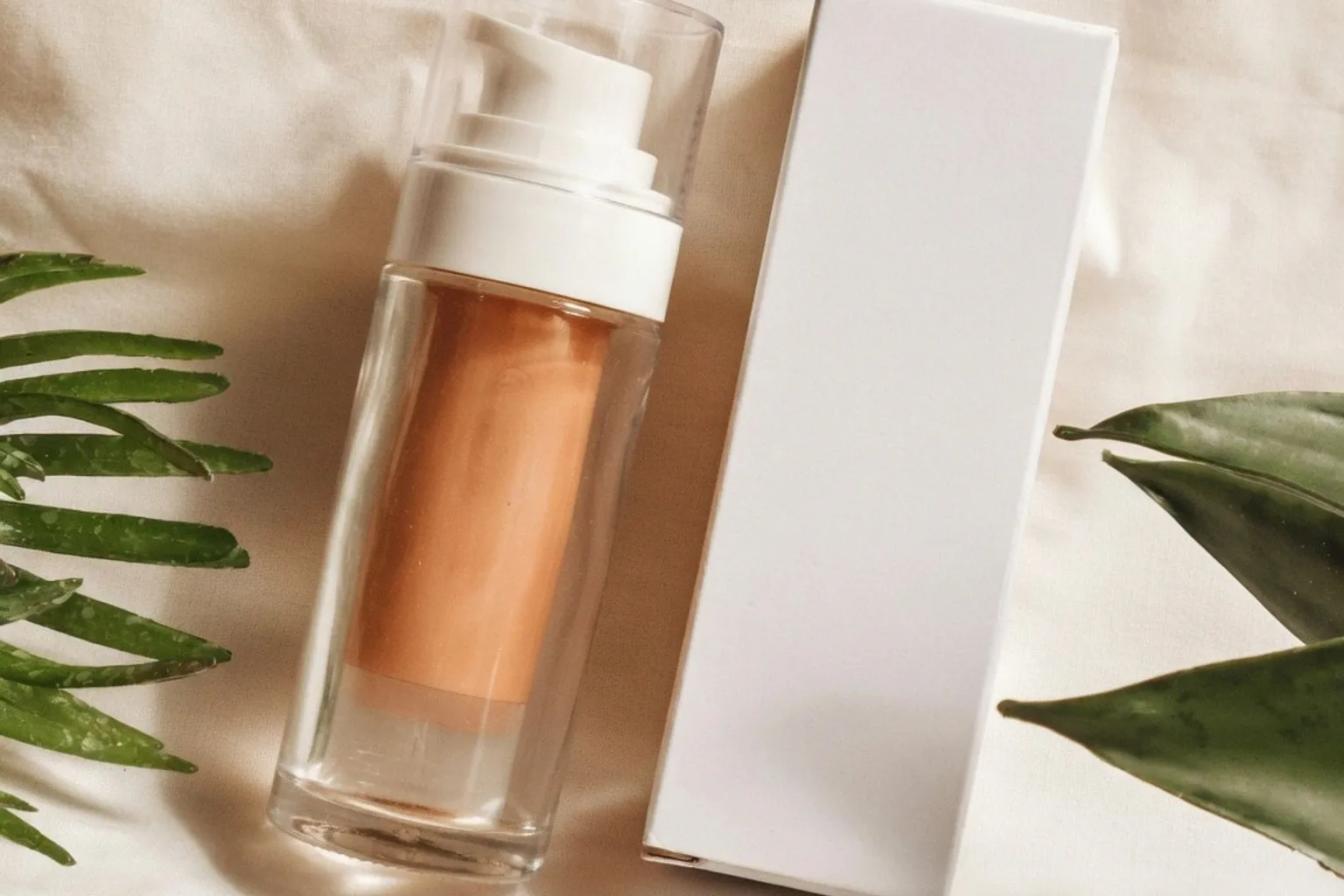
Top-Rated Cleansing Balms for Effective Makeup Removal and Skin Barrier Support
The London Evening Standard's beauty desk tested ten cleansing balms over six nights each, scoring each formula on scoop texture, melt behavior, rinse-off quality, and residual makeup left on the drying towel.
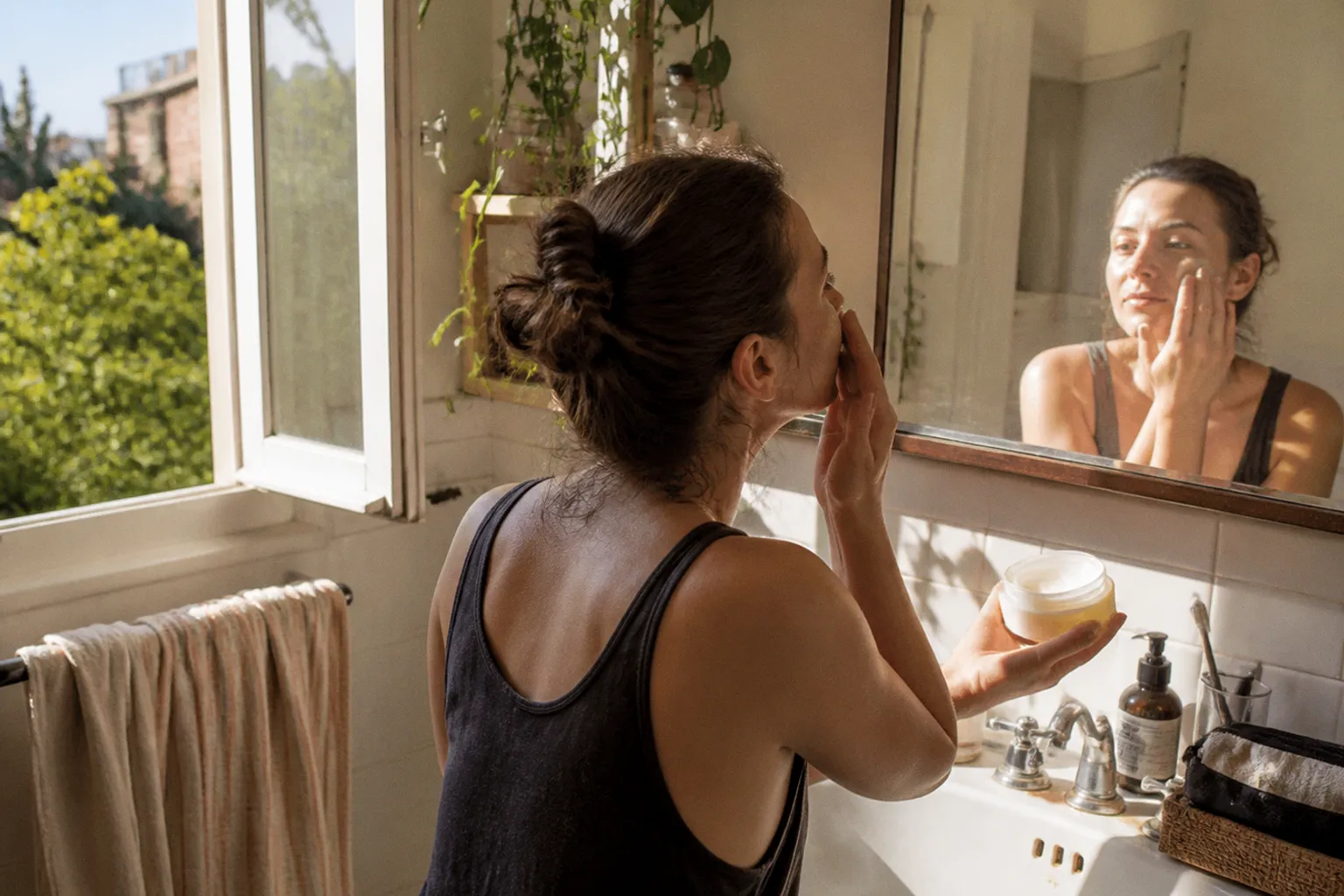
The roundup matters for anyone building a first-step double cleanse in a clean beauty routine, since the article dissects what each balm actually contains and what those ingredients do at the barrier.
What the testing covered
According to the Standard's tester, each balm was scooped from its pot, melted between dry hands, applied to dry skin, and emulsified with water over six consecutive evenings. The evaluation tracked four specific metrics: ease of scooping, hand-melt rate, rinse-off behavior, and how much makeup residue transferred to the towel when patting the face dry. This is a reasonable protocol — it isolates the balm's phase transition (solid to oil to emulsion) and its surfactant load, which is where most cleansing balms either succeed or leave a film.
The top five ranked picks, per the article:
- Best overall: Emma Hardie Vit C Brilliance Cleansing Balm, £52, Emmahardie.com
- Best budget: Byoma Melting Balm Cleanser, £14.99, Sephora.co.uk
- Best luxury: Dr David Jack Afterglow Ceramide Cleansing Balm, £65, Drdavidjack.com
- Best for skin health: SkinCycles ExoYouth Cleansing Balm, £70, Skincycles.com
- Best for oily or spot-prone: Dr Althea Pore Refining Grinding Cleansing Balm, £14.14, Cultbeauty.co.uk
The Standard also noted one downside of the top pick: more suited to a morning cleanse if the skin is severely dehydrated.
Formulation logic, not marketing
The piece includes input from facialist Justine Masters, who flagged the real selection criteria: barrier-supporting ingredients such as squalane, ceramides, and oat extract for dry, mature, or reactive complexions, versus lightweight, non-comedogenic, fragrance-free formulas that emulsify cleanly for oily or acne-prone skin. That distinction is the actual formulation split — lipid-replenishing balms versus low-residue surfactants — and it's the one most product copy obscures.
The article also clarifies the use case. Most people don't need a balm in the morning unless they've used rich overnight products; the primary role is the first step of an evening double cleanse after SPF or makeup. The Standard's tester used each balm for six nights, which is enough wear cycles to assess whether a formula disrupts the barrier or supports it.
Method that holds up chemically
The application protocol in the article aligns with what the formulation actually requires: massage onto dry skin with dry hands for roughly 60 seconds, then add warm water to emulsify, rinse thoroughly, and follow with a second cleanser if needed. Water is the trigger — without it, most balm emulsifiers don't activate and the product sits on the surface. The 60-second window is where the oil-soluble fraction (makeup, SPF, sebum, particulate pollution) gets solubilized before the second cleanse removes the water-soluble fraction.
A few signals worth checking before buying any balm on this list — or anywhere else: ingredient order on the label (squalane, ceramides, or oat extract should sit high, not at the fragrance line), whether the formula contains a recognized emulsifier so it rinses clean rather than coating the skin, and the INCI list for known comedogenic oils if the skin is breakout-prone. The Standard's testers didn't publish full INCI breakdowns, so those details are worth pulling from each brand's site directly before purchase.