The Rise of Private Label Skincare: Navigating Trends in Clean Beauty
Issuewire reports that private-label skincare is becoming a more visible route for brands responding to demand for targeted, ingredient-focused products.
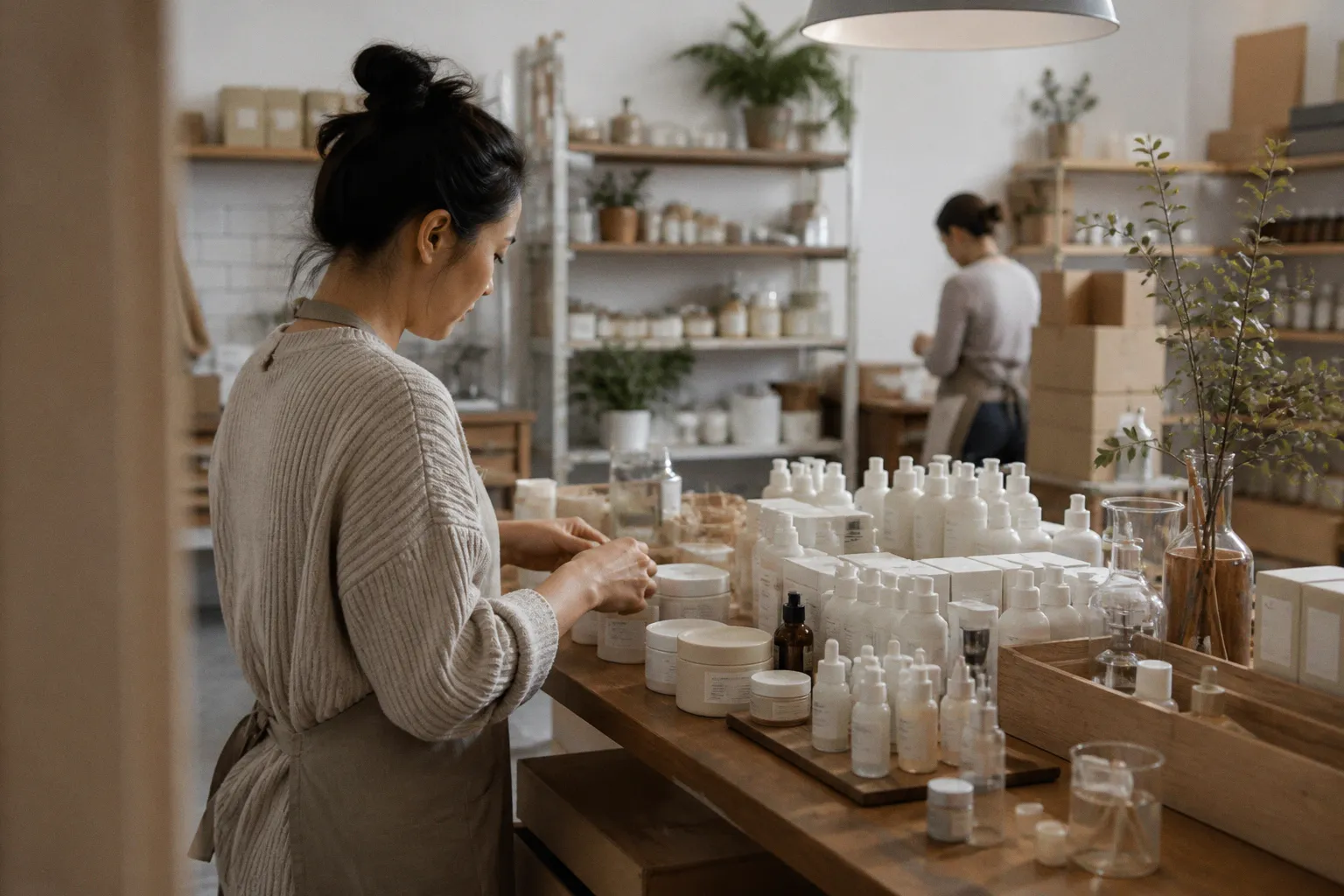
The development matters to clean-beauty shoppers because a product carrying a polished brand identity may be made by an outside manufacturer—making the formula, ingredient transparency, and brand claims more important than the label alone.
The available report is a trade-style overview rather than independent market research, so I would treat its “top trends” as signals to watch, not definitive proof of what the entire industry is doing.
Targeted routines are driving the private-label menu
According to Issuewire, brands are expanding beyond one-size-fits-all skincare into products designed around hydration, brightening, anti-ageing, acne care, and sensitive skin. That is familiar territory in the treatment room: shoppers increasingly want a routine that answers a specific concern without becoming an exhausting shelf of products.
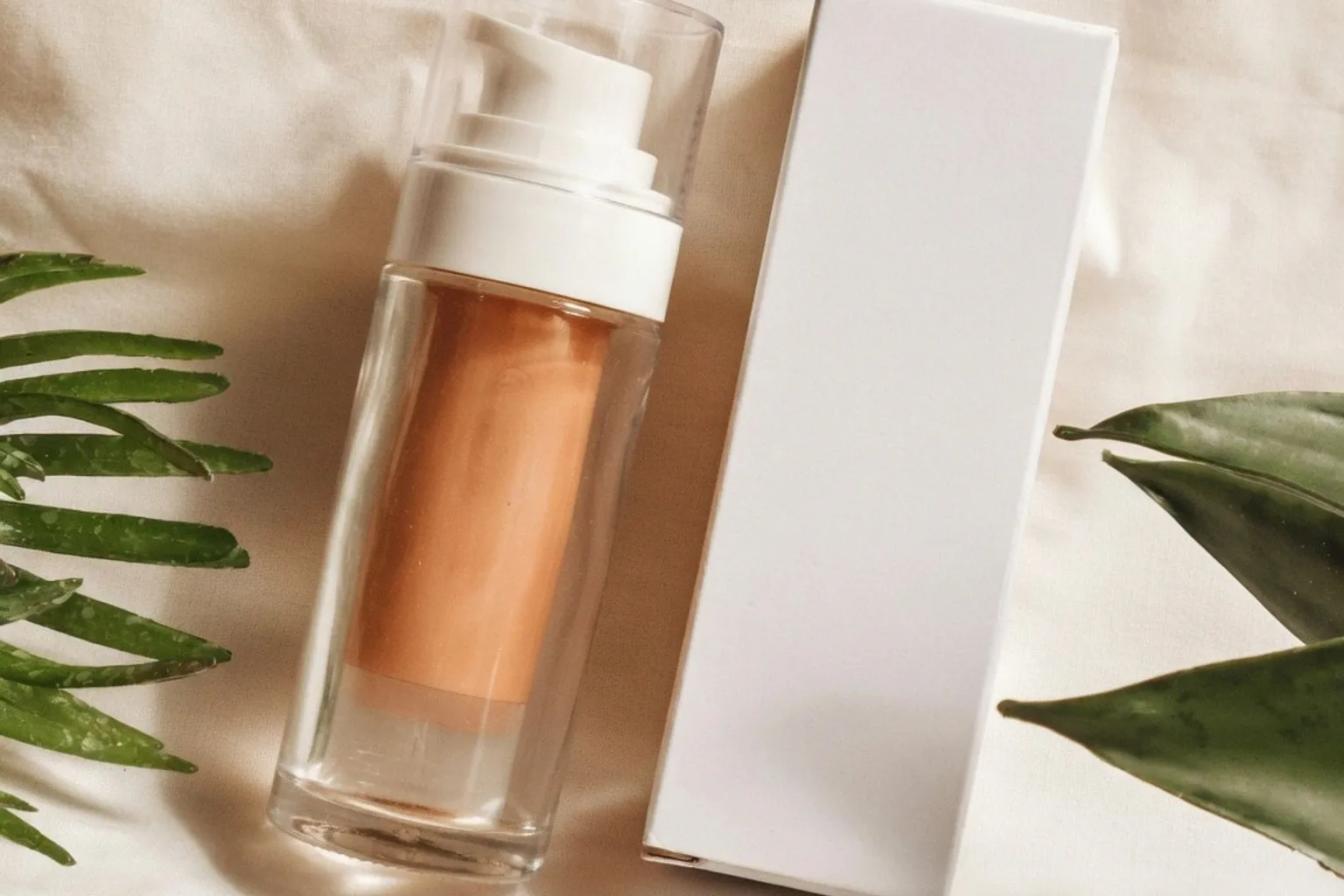
The report highlights hydrating serums with hyaluronic acid, brightening formulas featuring niacinamide or vitamin C, and products containing botanical extracts. Masks remain part of the picture too, from clay and gel formats to nourishing sheet masks. Body care is also included in the broader shift, with lotions, body butters, scrubs, and shower gels supporting routines that extend beyond the face.
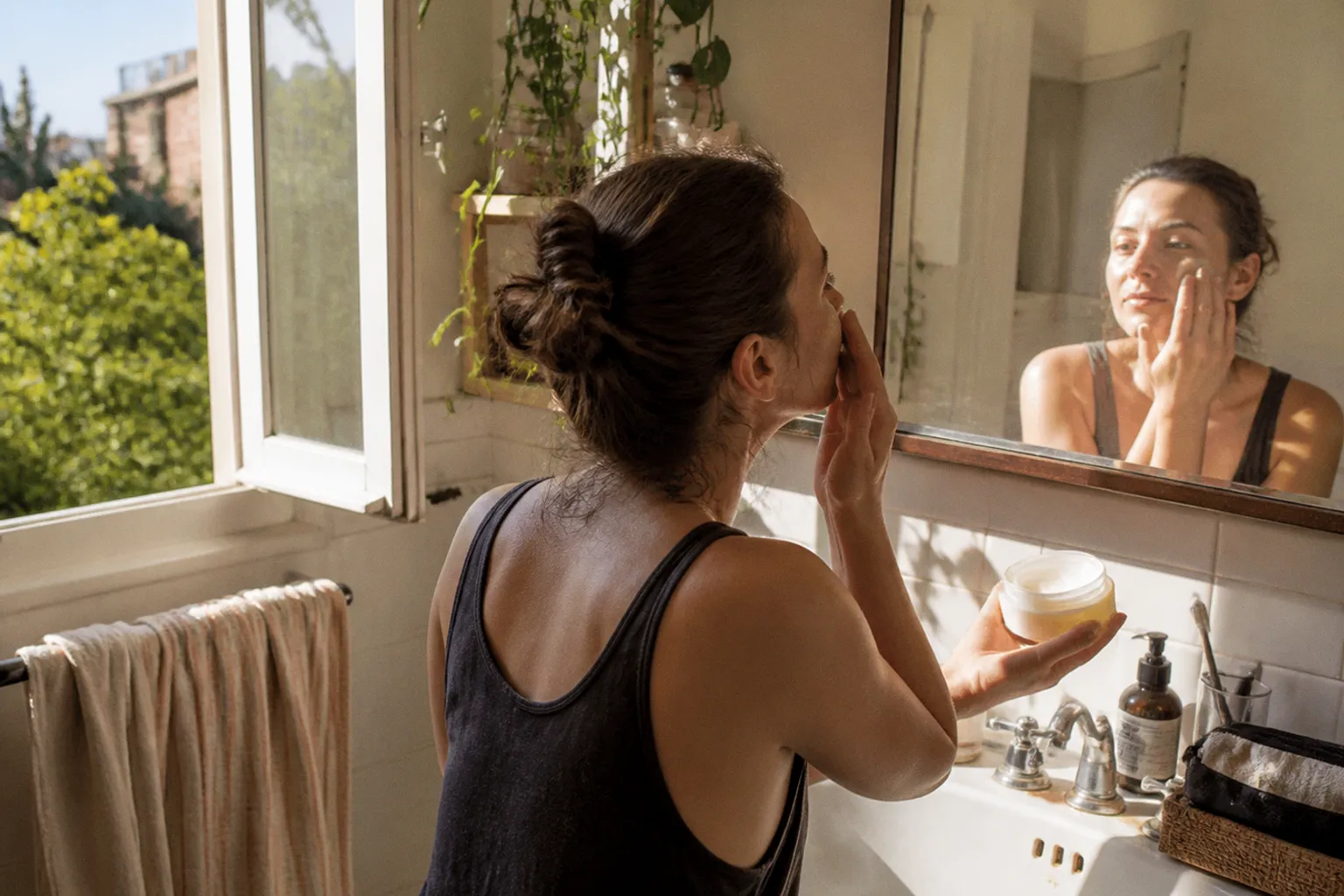
For my own approach to a mindful routine, the useful takeaway is not to collect every format. It is to identify the role a product needs to play. A hydrating serum may fit neatly between cleansing and moisturising, while a mask can remain an occasional ritual rather than another daily step. That keeps the routine more seamless—and makes it easier to notice whether a formula is genuinely earning its place.
Ingredient transparency matters more than the private-label story
Issuewire says consumers are researching ingredients and prioritising quality, while brands are responding with carefully selected ingredients, gentle actives, and more transparent formulations. The report also points to plant extracts and natural oils as features many shoppers are seeking.
That sounds encouraging, but “private label” is a manufacturing model, not a quality certification. The source describes the appeal for brands: an experienced manufacturer can handle production while the brand focuses on marketing, customer engagement, and growth. For shoppers, that means the finished product deserves the same calm scrutiny as any other skincare purchase.
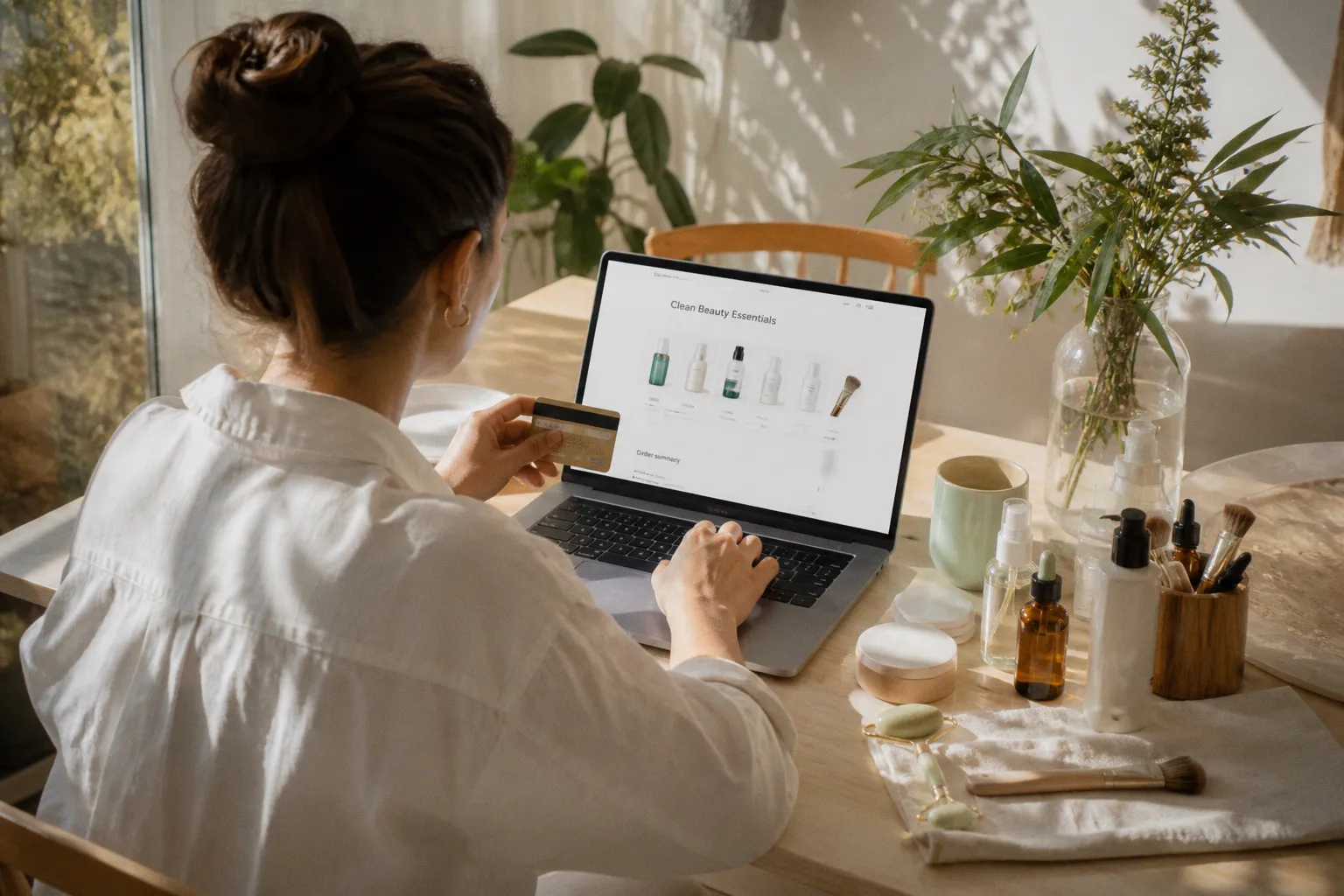
I would begin with the full ingredient list and the product’s stated purpose. Is the formula clearly positioned for hydration, brightening, or another concern? Does the ingredient story match that purpose? Are the claims easy to understand, or does the packaging rely mainly on trend language? These checks do not require a complicated ritual; they simply help separate a considered formula from a product built around a fashionable headline.
What to watch as the category grows
The report presents innovation and modern skincare technology as important ways for manufacturers and brands to respond to changing expectations. It also argues that quality, safety, and transparency can help brands build long-term trust. Those are sensible standards, but the evidence provided does not establish which companies are leading, how products compare, or whether private-label formulas consistently perform better.
For clean-beauty shoppers, I would watch how clearly brands explain the product lifecycle: who makes it, what the formula is intended to do, and how the packaging fits into a lower-waste routine. The report does not provide those details, so they should not be assumed from a “clean” or private-label position.
My practical verdict is measured: private-label skincare may make it easier for brands to launch focused products across face and body care, but the model itself is not a reason to buy. Choose according to transparent formulation, a clear place in your routine, and the longevity of the product in real use. A smaller, well-understood ritual is still the gentlest choice for both skin and shelf.