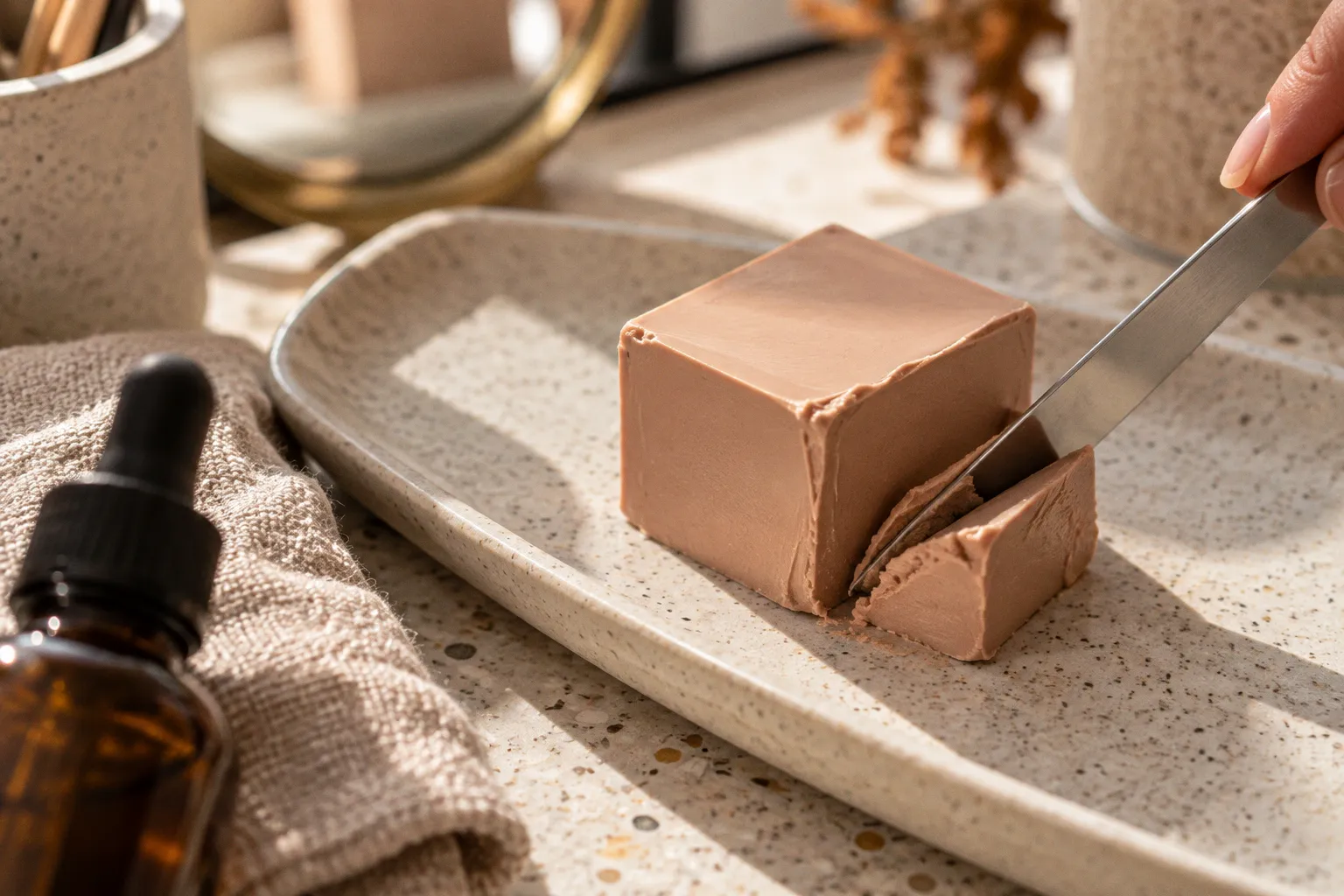
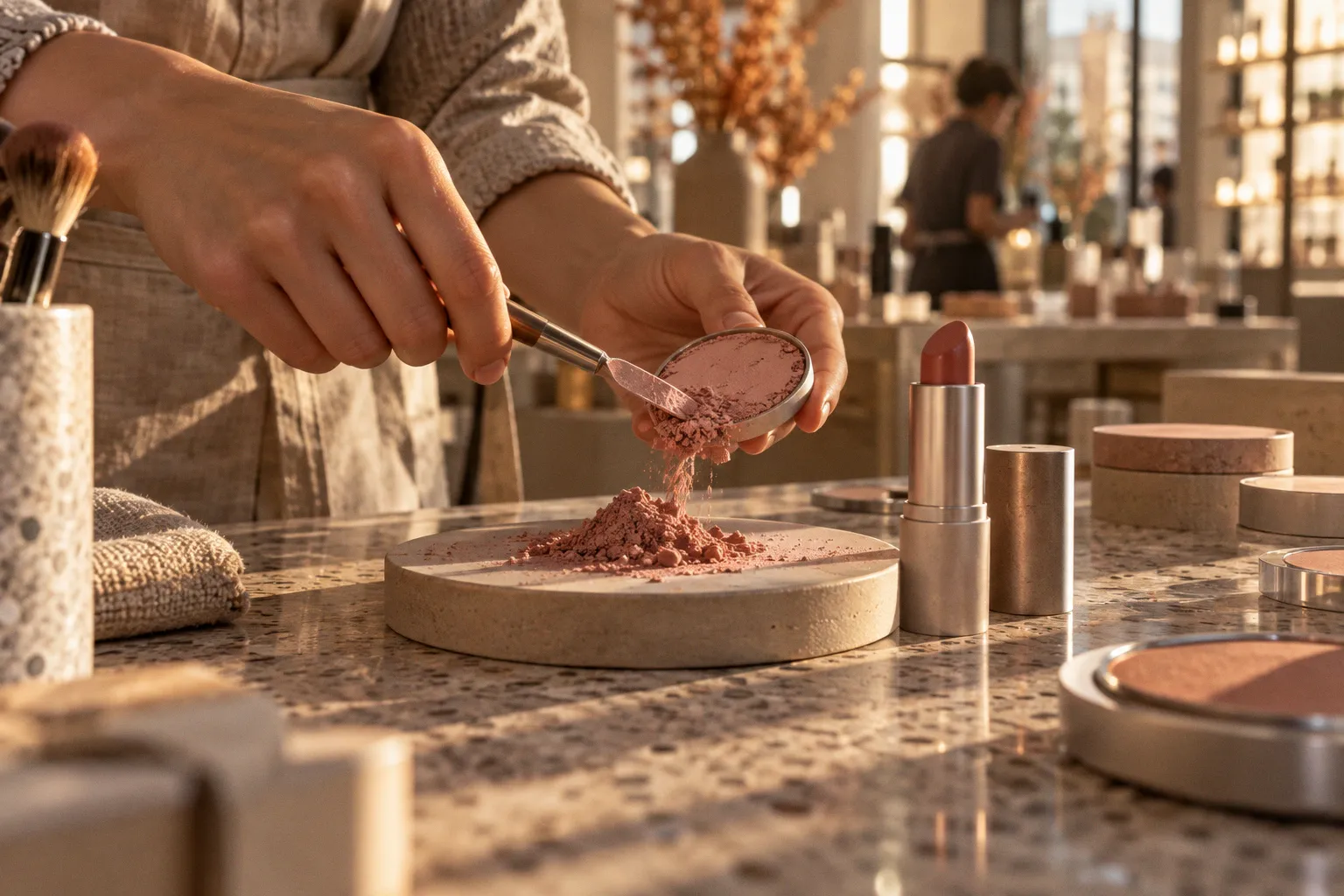
Concept 4 Streamlines Clean Beauty Launches with New Turnkey Formulation Collection
Per Cosmetics Business, the line is built to compress the two stages that most often stall clean-beauty launches: restricted-ingredient screening and supplier auditing.
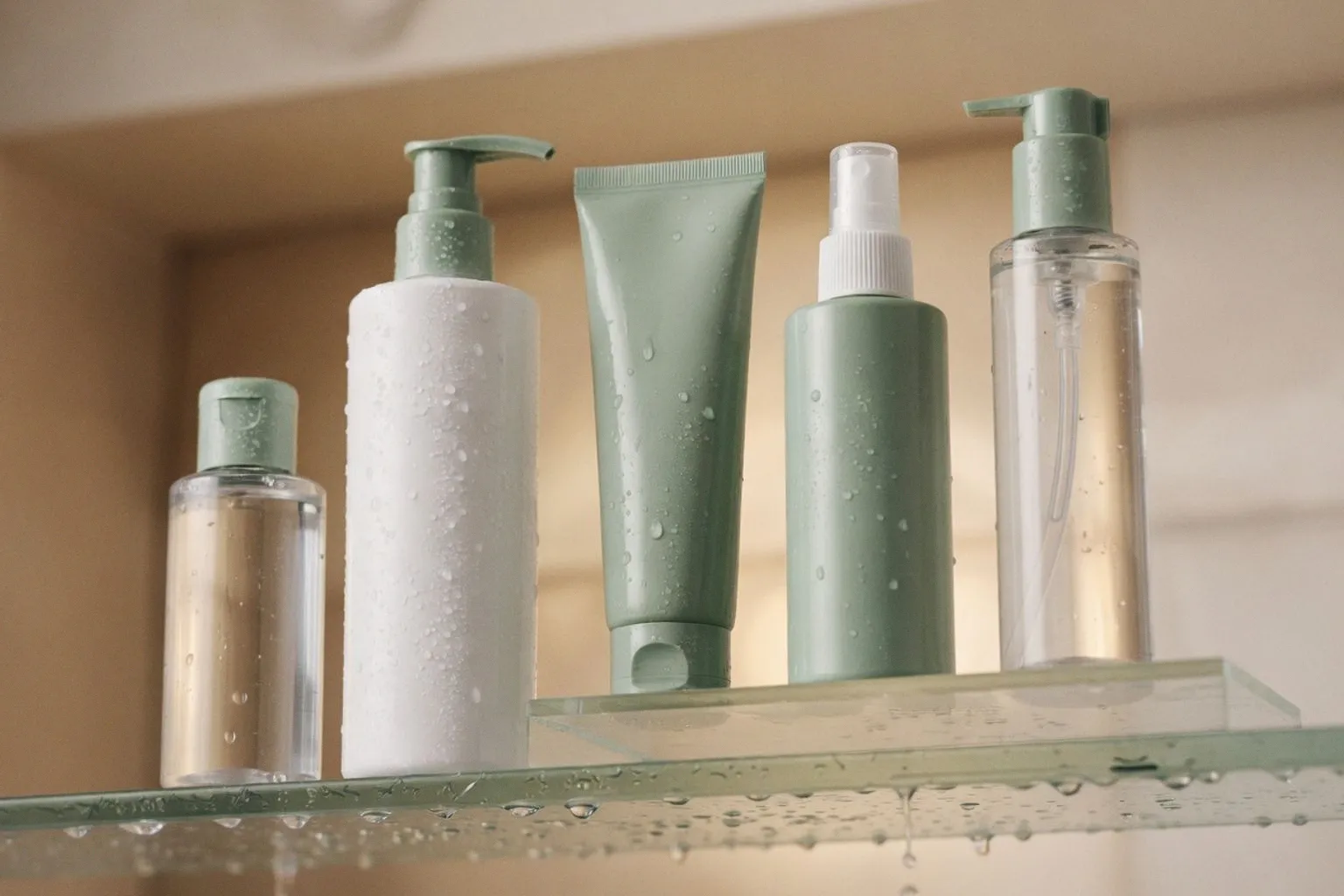
Concept 4, a B Corp-certified formulation partner, has rolled out "Better Beauty," a turnkey collection of roughly 29 stock formulas covering colour cosmetics, skincare, haircare, and body care. Per Cosmetics Business, the line is built to compress the two stages that most often stall clean-beauty launches: restricted-ingredient screening and supplier auditing. For readers tracking what clean-beauty retail actually looks like at the SKU level, this is the upstream mechanism that decides which exclusions, preservatives, and packaging claims reach a shelf.
What the framework standardises
The collection rests on an ingredient assessment protocol with adjustable exclusion criteria. Per the report, that protocol is informed by regulatory requirements, retailer restricted substance lists, consumer-facing ingredient assessment tools, and Concept 4's internal review. Each formula — powder foundation, blush, eyeshadow, lipstick, lip oil, lip gloss, liquid highlighter, cleanser, toner, body mist, hand cream, shampoo, conditioner, shower gel — was reviewed for efficacy, texture, stability, and sensorial properties, with adjustments logged during trial feedback.
The notable variable: the same chassis is offered to multiple retailers and brand partners, then tuned to each buyer's individual blacklist. That is standard private-label economics, but the pitch here is the audit trail — formulations were developed with audited China-based manufacturing partners already serving international brands, then validated against the framework before handoff.
What to check before this affects your shelf
For buyers and formulators sourcing under a "clean" claim, the critical questions are not marketing ones. Verify which specific restricted substance list each SKU was screened against — the report cites "regulatory requirements" and "retailer restricted substance lists" without naming the benchmark (EU Cosmos, Sephora Clean, Credo Clean, etc.). Confirm the preservative system; restricted-ingredient chassis typically lean on phenoxyethanol, ethylhexylglycerin, or fermentation-derived alternatives, and the choice dictates both stability windows and EU compliance margin. Note that restricted-ingredient collections of this type are predominantly developed in Europe — the report flags a complete range as less common from China, which is the angle Concept 4 is explicitly addressing.
Also worth tracking: packaging options include FSC-certified paper and post-consumer recycled (PCR) materials, per the announcement, but the specific PCR percentage, mono-material construction, and refill mechanics were not disclosed in the available material.
Verdict
Useful B2B infrastructure if the exclusion list, preservative system, and packaging specs are documented per SKU. Not a finished consumer verdict — those arrive when a retailer actually puts a formula under wear testing. For now, treat the collection as a vetted starting point, not a validated end product.