FTC Extends Deadline for Feedback on Personalized Pricing Regulations
The FTC's proposed policy statement is the framework intended to govern how companies disclose and deploy these mechanisms across consumer-facing transactions.
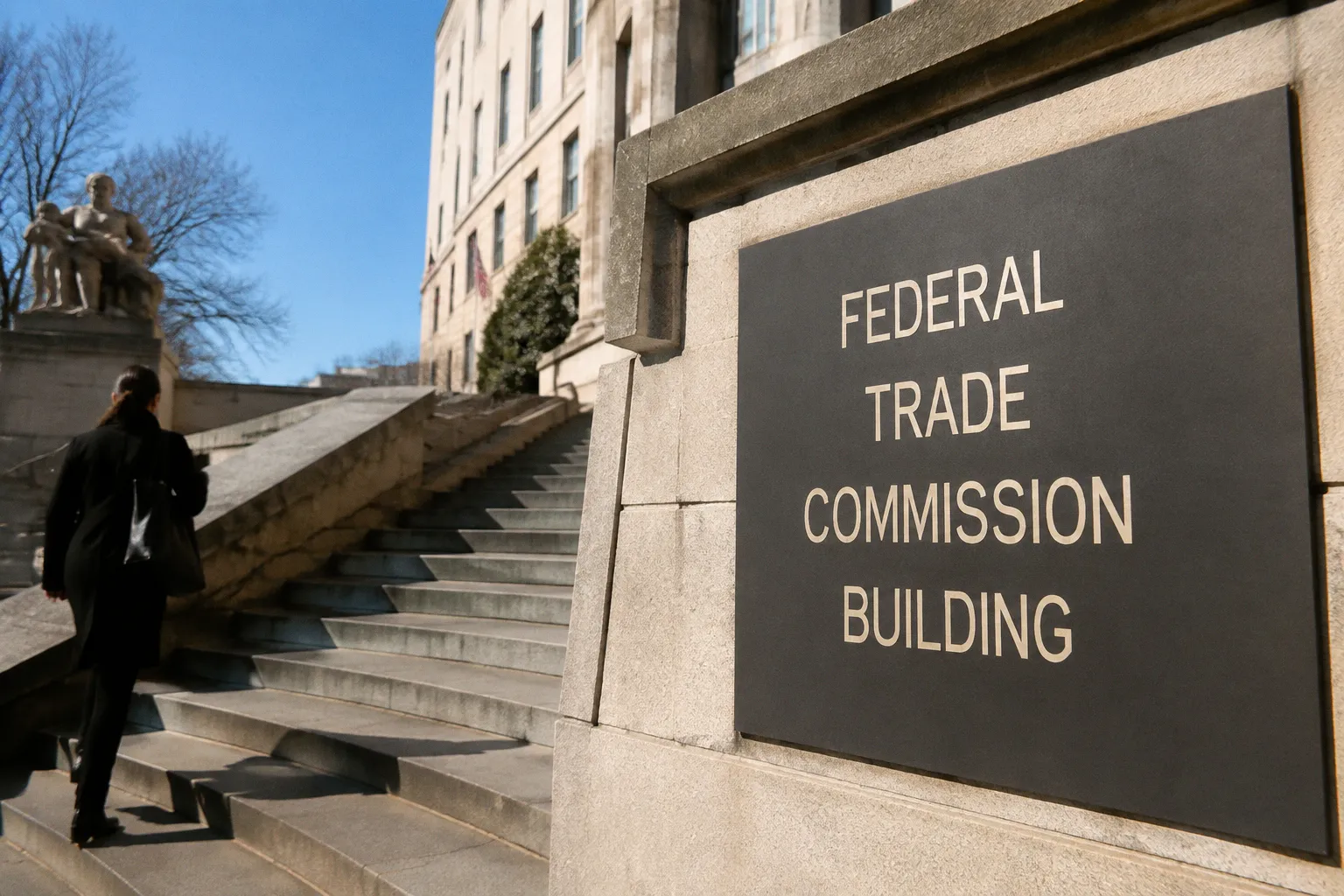
The Federal Trade Commission has extended by seven days the public comment period on its proposed enforcement policy statement regarding personalized pricing, according to the agency's announcement. Clean beauty e-commerce is directly within the scope of this rulemaking: personalized pricing is the technical mechanism behind the price variability shoppers routinely encounter across sessions, devices, and logged-in accounts.
The mechanism under review
Personalized pricing refers to data-driven price adjustments applied to individual consumers using collected signals — geographic location, device fingerprint, browsing history, prior purchase behavior, account age. The FTC's proposed policy statement is the framework intended to govern how companies disclose and deploy these mechanisms across consumer-facing transactions. The seven-day extension is procedural. It lengthens the public input window. The substance under review is unchanged. Commenters now have a wider aperture to submit data, research, or critique before the FTC advances the proposal.
Why the clean beauty base is exposed
Direct-to-consumer clean beauty pricing operates on session-level variability and dynamic discounting as a default rather than an exception. A vitamin C serum, a broad-spectrum SPF, or a foundation listed at a posted price can resolve to a different number depending on cookies, login state, referral source, or prior purchase history. The product formulation does not change. The unit cost does not change. The displayed price changes based on the data envelope attached to the shopper. Any disclosure requirement the FTC finalizes will govern how visible that gap must be between the listed price and the effective price.
Practical verification before checkout
- Compare the same SKU across an incognito window, a logged-in session, and a mobile device. Record the variance.
- Clear cookies between visits and note any upward price drift on the same item within a 24-hour window.
- Check the product page for a stated base price or a price-history disclosure. Absence is a data point.
- File a public comment if consumer-side disclosure standards for clean beauty retail are directly relevant to the rulemaking.
The rulemaking is open. The mechanism is not theoretical. The data is already collected. The variable still in motion is the disclosure standard retailers will be required to meet — and whether posted prices resolve to the number the consumer expects at the moment of checkout.