Why Professional Makeup Artists Recommend Tinted Moisturizer for Mature Skin
As Oprah Daily reports, professional makeup artists Kat James, Suzy Gerstein, and RaeDawn Johnson are pointing to the same answer—a tinted moisturizer can do the work of three separate products in…
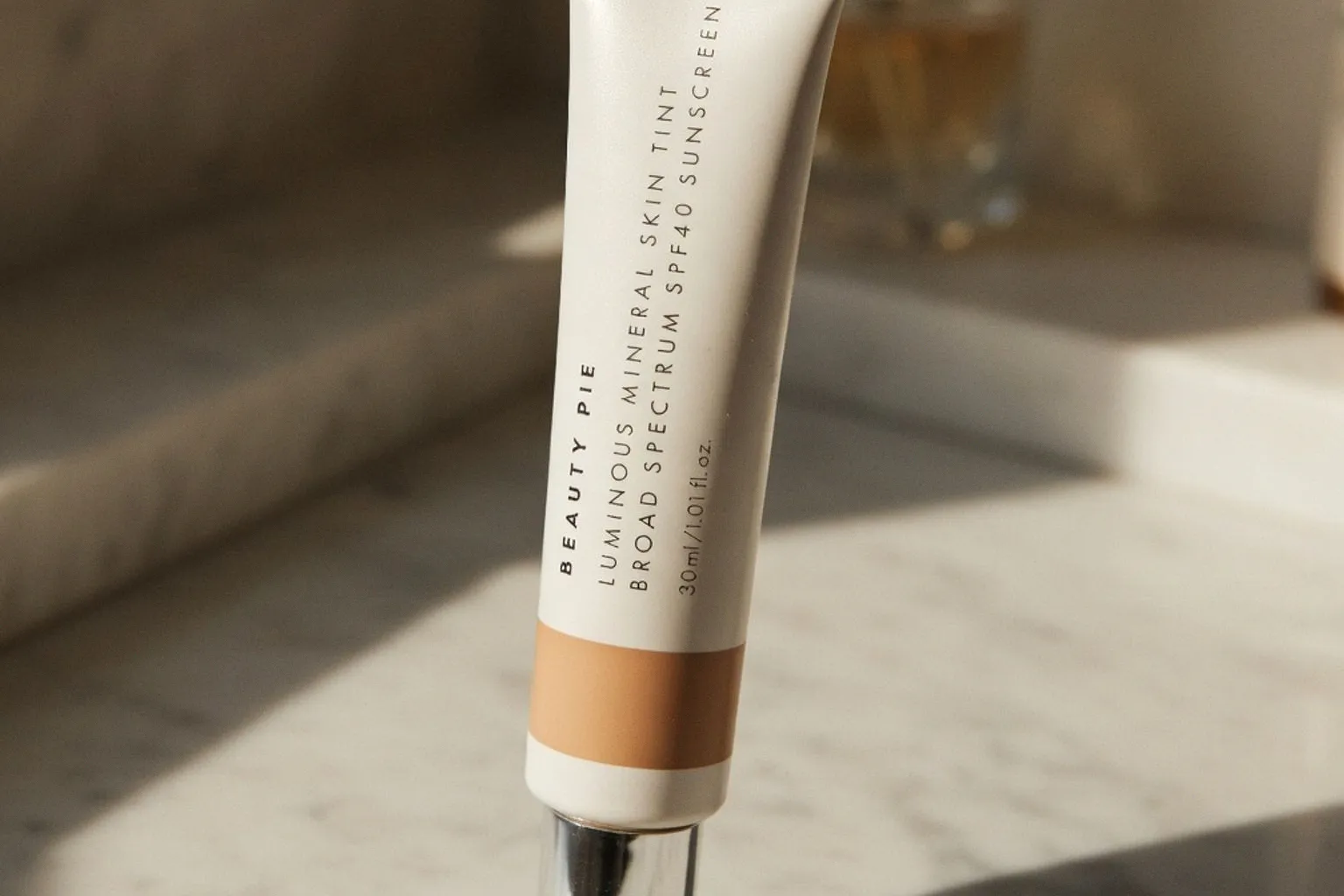
I've been hearing the same quiet shift in my treatment room for months now: more clients in their forties, fifties, and beyond are asking whether they really need a full foundation routine anymore. As Oprah Daily reports, professional makeup artists Kat James, Suzy Gerstein, and RaeDawn Johnson are pointing to the same answer—a tinted moisturizer can do the work of three separate products in one step, and it's far kinder to mature skin than heavier base makeup.
Why makeup artists are reaching for it
Kat James, a working makeup artist, explains that as skin matures and loses moisture, traditional foundation tends to look cakey and settle into fine lines—the opposite of what anyone wants. A tinted moisturizer, by contrast, is built around hydration first. Suzy Gerstein, another industry pro, calls out the lightweight texture: it won't pool into wrinkles the way fuller coverage can, and instead leaves a soft radiance behind. RaeDawn Johnson—who counts Gayle King among her regular clients—puts it simply: a tinted moisturizer delivers moisture, coverage, and a wash of color from a single tube.
For anyone trying to pare down a routine, that single-step payoff is exactly the kind of swap that earns its shelf space. Fewer bottles, fewer steps, less product sitting around slowly expiring before you finish it.
What to look for in a formula worth keeping
From the roundup, a few details line up neatly with what I look for in my own practice when guiding clients toward a sustainable base:
- Built-in SPF. A mineral zinc option in a 14-shade range doubles as daily sun protection, so you can skip a separate sunscreen bottle on most mornings.
- Hydrating actives. Hyaluronic acid, French algae, and cactus extract show up in formulas that read like skincare first, makeup second—important for skin that loses moisture faster as it matures.
- Barrier-friendly ingredients. Look for ceramides and vegan collagen peptides if your skin leans dry or you're navigating perimenopausal changes; the formula should feel like a moisturizer, not a mask.
- Shorter, cleaner ingredient lists. Fragrance-free, silicone-free, and microplastic-free options exist and tend to play nicely with reactive, mature skin.
One of the formulas referenced has been around for over a decade, which is its own kind of longevity story—a product people actually finish and rebuy, rather than discard half-used in a drawer.
My take from the treatment room
If you're curious, I'd treat a tinted moisturizer the way you'd treat a new serum: patch-test along the jaw for a day, then wear it through a full morning to see how it behaves as your skin's needs shift through the day. For mature clients especially, pressing it in with clean fingertips—rather than buffing with a brush—gives the most natural, breathable finish and uses less product per application.
A tinted moisturizer won't replace a dedicated treatment serum or a rich night cream in your lineup, but it can absolutely absorb the role of foundation, daily moisturizer, and SPF in one streamlined step. For anyone trying to simplify without giving up that lit-from-within glow, it's the rare swap that feels like a quiet little luxury rather than a compromise.