Carte Blanche: Evaluating the New Hybrid Beauty Brand from Saie Alumni
According to WWD, Saie veterans have launched Carte Blanche, a new skin care–makeup brand.
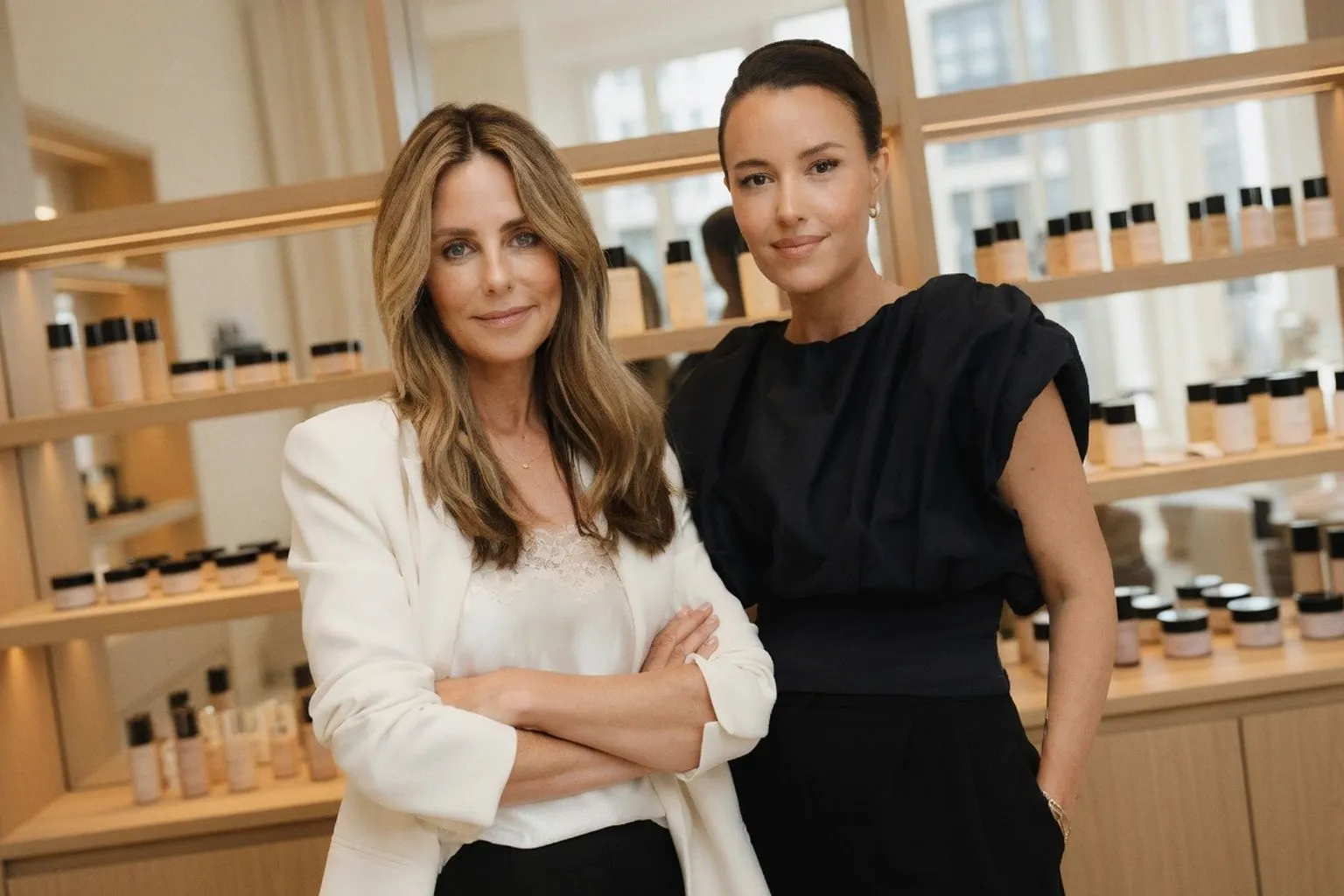
The report identifies the company as a hybrid beauty label, but the available evidence does not establish its launch date, product range, ingredient system, clinical data, or distribution model. For clean-beauty shoppers, the brand name is therefore a signal to monitor, not yet a performance claim.
The category is easy to describe and difficult to validate
“Skin care–makeup” is a positioning statement. It does not define efficacy.
A formula can contain skin-care ingredients and still function primarily as makeup. The relevant questions are more specific:
- Which active ingredients are present?
- At what concentration?
- Is the formula stable through its stated shelf life?
- Has the finished product been tested, or only individual ingredients?
- Does the makeup base preserve acceptable viscosity, spread, pigment distribution, and wear?
- Are the claimed benefits measured against a defined baseline?
These distinctions matter because adding an active to a complexion product does not automatically produce a meaningful skin-care effect. Pigments, film-formers, powders, oils, emulsifiers, and UV filters can alter delivery and stability. The finished formula must be assessed as a system.
Carte Blanche is described by WWD as a new brand from former Saie team members. That background may be relevant to product development, but it is not evidence of efficacy. Professional experience can support formulation decisions. It cannot replace ingredient disclosure, testing methodology, or finished-product data.
What to check before treating it as a performance product
The first practical checkpoint is the INCI list. Look for the position of the claimed actives, the type of vehicle, and the presence of potential irritants or sensitizers. Ingredient order is not a complete efficacy analysis, but it helps distinguish a formula built around a functional active from one using a low-level marketing ingredient.
The second checkpoint is the claim language. “Brightening,” “smoothing,” or “skin-care infused” can describe different levels of evidence. A credible claim should indicate what was measured, over what period, and under which conditions. Without that information, the claim remains cosmetic positioning.
The third checkpoint is the base itself. A skin tint must distribute evenly, maintain pigment suspension, and form a consistent film on the epidermis. Excessive slip can reduce coverage uniformity. A high powder load can emphasize surface texture. A poorly balanced emulsion can separate, oxidize, or change viscosity during storage. These are formulation failures, regardless of the ingredient list.
The current verdict
Carte Blanche is a reported brand launch, not yet a validated product story. There is insufficient information in the available report to assess composition, efficacy, oxidation behavior, shade performance, or barrier compatibility.
The binary conclusion is simple: track the brand if the formulas and testing data are published; do not treat the “skin care–makeup” label as proof of skin-care performance.