September 2026 Clean Beauty Trends: Evaluating Barrier-Support and Lip Care Claims
As Lifestyle Asia Hong Kong notes, the rollouts include Clé de Peau Beauté's Skin Beauty Enhancer primer positioned with skin-barrier-protecting botanicals and Hermès' clean lip duo built for…
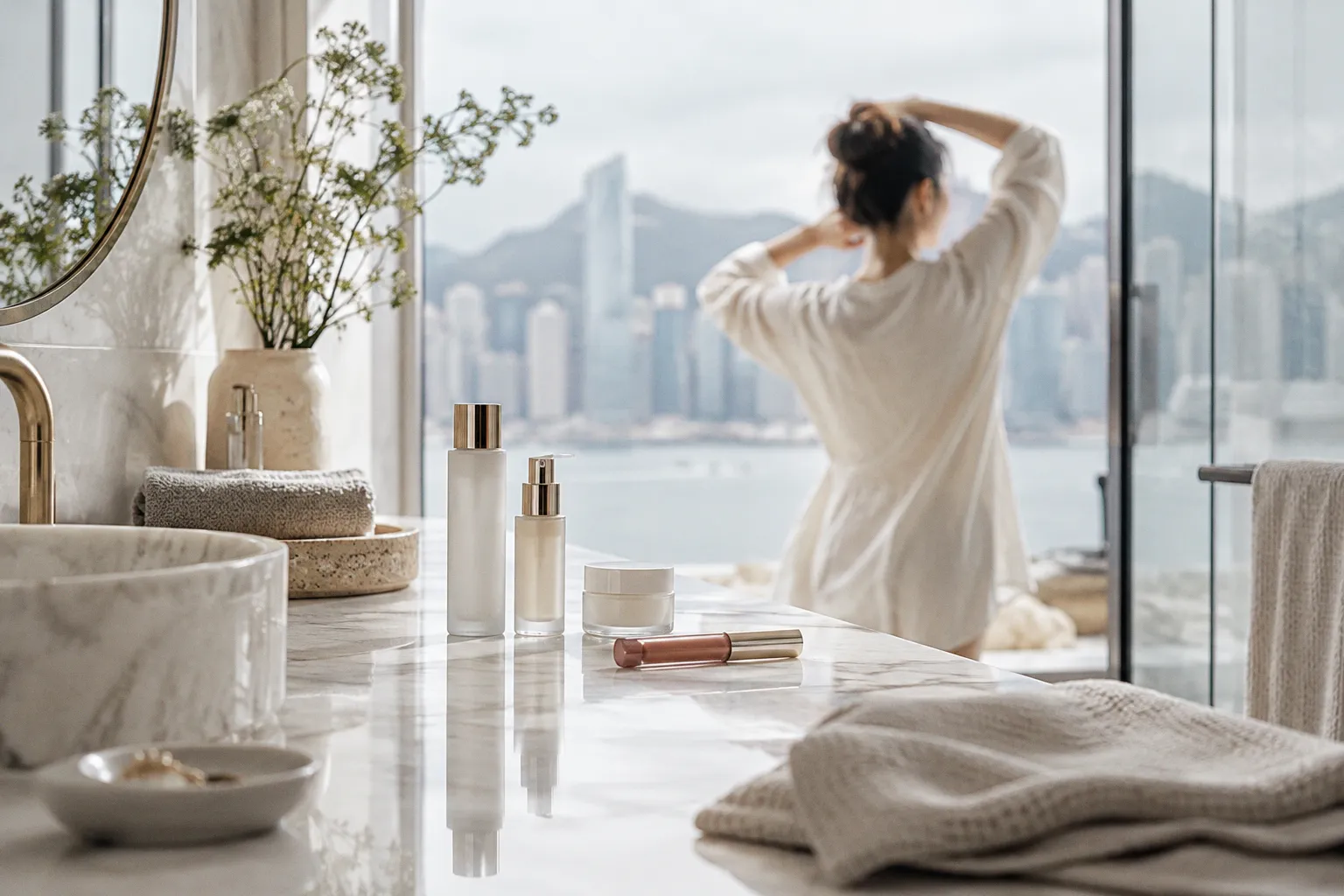
September 2026 brings a coordinated cluster of complexion and lip launches built around two formulation claims: skin-barrier support and ingredient transparency. As Lifestyle Asia Hong Kong notes, the rollouts include Clé de Peau Beauté's Skin Beauty Enhancer primer positioned with skin-barrier-protecting botanicals and Hermès' clean lip duo built for ultra-nourishing botanical conditioning. For readers shopping the clean-beauty shelf, the work is separating marketing positioning from what the INCI lists actually deliver.
What "barrier-supporting" actually means here
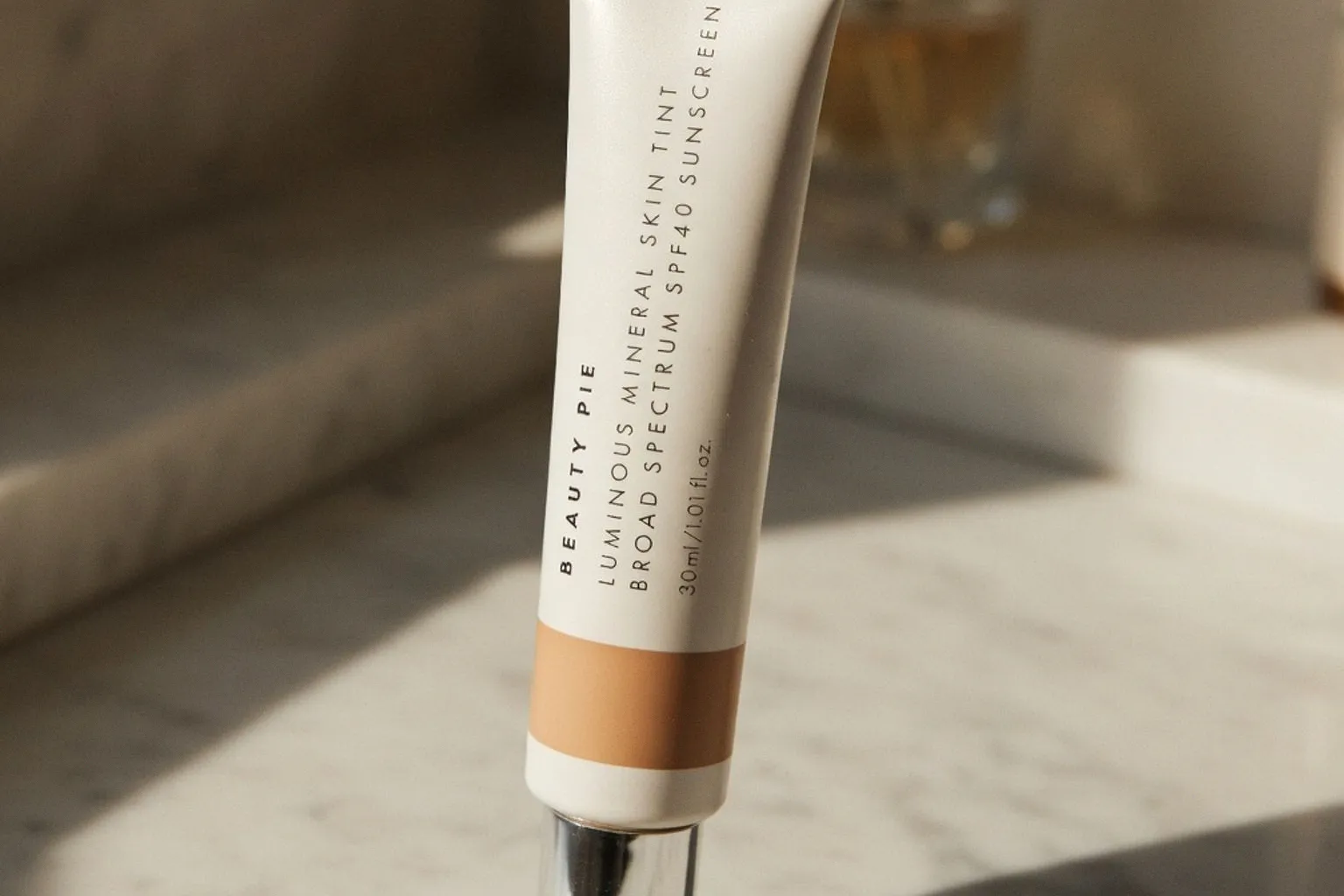
A skin-barrier-protecting botanical descriptor is broad. It can refer to a documented lipid-replenishing extract — ceramide precursors, squalane, beta-glucan — or to a marketing-grade botanical fragrance with no measurable barrier function. On a primer specifically, the relevant performance metrics are not the botanicals themselves but the film-forming behavior at the stratum corneum: occlusion, slip, and interference with subsequent foundation or SPF adhesion. A non-comedogenic framing is only useful if verified against the actual emollient system; heavy silicone-elastomer bases can read as non-comedogenic in short trials and still congest reactive skin over weeks.
The Hermès lip duo, per the same coverage, centers on ultra-nourishing botanical conditioning. For lip products claiming this, the data points that matter are the occlusive agents (wax type and butter load), humectant presence (glycerin, hyaluronic acid molecular weight range), and whether the formula contains fragrance volatiles capable of triggering perioral sensitivity. Clean formulations in this category vary widely in actual lipid replacement capacity.
The supply-side signal
Separately, Cosmetics Business reports that Concept 4 has introduced "Better Beauty," a ready-to-go formulation platform covering powder foundation and lip oils. The pitch: standardized bases meeting international safety and clean formulation standards, with reduced development overhead for brands. For consumers, this is downstream — it does not alter a label, only shortens the path from concept to shelf. The question to ask is whether "clean formulation standards" maps to a verifiable certification — COSMOS, ISO 16128 natural origin thresholds, EWG verification — or remains a self-declared category.
What to check before buying
- Pull the full INCI. Look for ceramides, cholesterol, fatty acids, or squalane in the top half of the list for a genuine barrier claim.
- For the lip duo, identify the primary occlusive — beeswax, candelilla, shea — and confirm humectant presence alongside it.
- On any product emerging from the Better Beauty platform, ask the brand which standard the "clean" descriptor maps to. No answer means self-declared.
Two other September signals — EBONY's weekly fragrance and skincare roundup and Meiyume's AW26 direction toward longevity, skinification, and alcohol-free fragrance — are confirmed as published but carry insufficient formulation detail for a substantive breakdown here.
Verdict: worth tracking on the formulation-data side; do not purchase on the positioning language alone.