Why Minimalist Packaging Is the New Standard for Sustainable Beauty Brands
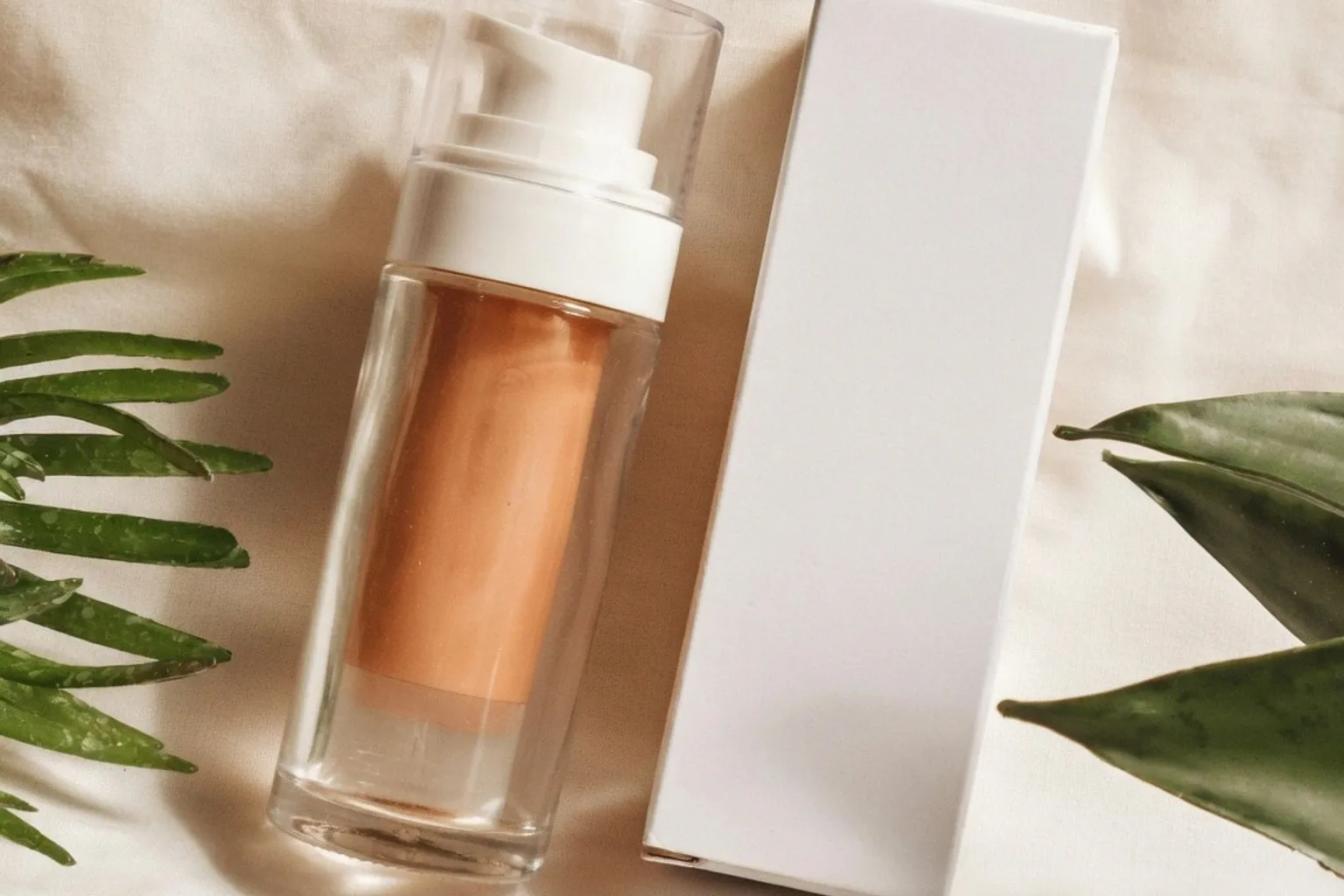
According to a new industry report highlighted by OpenPR, minimalist, sustainable packaging is becoming an important part of brand recognition and customer preference in clean beauty.

Designing Minimalist Sustainable Packaging for Clean Beauty
The report points to eco-friendly materials that align with the values shoppers already associate with clean formulations. For anyone choosing makeup or skincare, that makes the package more than a visual detail: it is part of the product’s wider lifecycle and a useful place to look for evidence of a brand’s priorities.
Minimalism is becoming a market signal
The appeal of pared-back packaging is easy to understand. A simpler design can make a product feel calm, considered, and consistent with a clean beauty routine. But the important development is not the aesthetic alone. The report connects minimalist design with sustainable materials and with the way brands build recognition in a crowded market.
That matters because clean beauty shoppers are increasingly asked to evaluate several things at once: the formula, the sourcing story, the transparency of the brand, and the footprint of the packaging. A quiet carton or a neutral-colored container may fit beautifully on a bathroom shelf, but the more meaningful question is what the material is designed to do after the product is finished.
A separate market report from Straits Research says investment in sustainable personal care is growing as companies expand their clean beauty portfolios. It identifies consumer demand for eco-friendly products and transparent formulations as key drivers. The same report describes sustainable personal care as a category that can include biodegradable formulations, recyclable packaging, responsibly sourced raw materials, and lower-impact production practices.
For shoppers, that is a helpful reminder to keep packaging in proportion. A sustainable-looking design is not, by itself, a complete sustainability claim. The useful information is whether the brand explains its materials and how the container fits into the product’s lifecycle.
What to check before adding a product to your routine
When I assess a new beauty product for a daily ritual or a professional kit, I would start with the practical details rather than the visual language. Look for clear information about whether the packaging is recyclable, reusable, refillable, or supported by a return system. These are not interchangeable options, and the reports point to all of them as part of the industry’s broader move toward packaging circularity.
Refill systems are receiving particular attention. The Straits Research report describes a shift from single-use packaging toward durable containers supported by refill cartridges, in-store refill stations, and return-and-refill programs. It cites The Body Shop’s refill stations for selected personal care products across multiple retail locations as an example of this model.
That does not mean every refill concept will suit every routine. A refill only feels seamless if the original container is comfortable to use, easy to clean according to the brand’s instructions, and practical to keep in rotation. For complexion products, the dispensing experience also matters: a beautiful outer package is less useful if it makes it difficult to control the amount of product or keep the routine tidy.
The most nourishing choice for your shelf may therefore be the package you can realistically keep using. Before buying, check whether the brand explains the refill or recycling pathway, whether the container is intended to be retained, and whether the sustainability information is specific rather than purely decorative.
The next test is scale
Clean beauty brand Soshe, known for its sustainable packaging, is preparing for a retail launch in Ulta Beauty. BeautyMatter reports that the brand’s approach is focused on bringing its eco-friendly makeup products to a broader consumer base.
That expansion is worth watching because sustainable packaging becomes more consequential as distribution grows. A concept that works for a small audience has to remain understandable and usable when more shoppers encounter it. The packaging needs to communicate its purpose without turning sustainability into a puzzle, while the refill, reuse, or disposal journey needs to be clear enough to become part of an ordinary beauty ritual.
The wider market report also notes that sustainable personal care supply chains can be exposed to disruptions involving responsibly sourced ingredients, sustainable packaging supplies, logistics, and changing requirements. That context makes transparency especially important. Brands may be moving toward better materials and more circular systems, but the strongest ones will explain what they use, how the system works, and what the customer is expected to do at the end.
For now, the practical takeaway is gentle but useful: enjoy the clarity of minimalist design, but shop beyond the surface. Give preference to packaging with a defined next step—recycling, reuse, refill, or return—and choose systems that can fit naturally into the routine you will actually maintain.