Clean eyeshadow palettes: formula verdict and buying guide
You've seen it. The "clean" palette arrives, packaging screams sustainability, shades look dreamy in the pan — and twenty minutes after application, you've got patchy lids, fallout cascading to your…

You've seen it. The "clean" palette arrives, packaging screams sustainability, shades look dreamy in the pan — and twenty minutes after application, you've got patchy lids, fallout cascading to your cheekbones, and a muddy crease line that looks like you lost a fight with a smudge brush. The "clean" label isn't your problem. The formula is.
That gap between what the marketing promises and what your mirror shows? That's what we're dismantling today. Because buying a clean palette isn't about chasing an aesthetic — it's about understanding why some formulas hold up under hot stage lights and twelve-hour wear days, and others disintegrate the moment you blink twice. I've watched this fail in real time on too many faces to stay polite about it.
A clean eyeshadow isn't defined by what it lacks. It's defined by whether the binder system can survive contact with your lid.
The Talc Dilemma: Why Base Fillers Matter for Safety
Every pressed powder eyeshadow — clean, conventional, "natural," whatever the label claims — is built on three structural components. A base or filler (the bulk of the powder). Pigments (iron oxides, lakes, micas for color). And binders, the glue that holds the pressed cake together when your brush hits it.
Get the base wrong, and nothing else matters.
Talc has been the conventional workhorse filler for decades. Soft, cheap, gives that buttery slip on the brush that makeup artists love. Problem? Talc forms geologically alongside asbestos in the earth. If your supplier isn't running rigorous asbestos screening — and many don't, because it's expensive — that silky powder can carry carcinogenic fibers into your orbital area. The EU restricts or bans over 1,300 chemicals in cosmetics. The US FDA restricts eleven. That's the regulatory reality you're swimming in when you read a label.
Mica is the clean-formulation alternative. It delivers reflective shimmer without the asbestos baggage — mica itself isn't chemically toxic, that's a separate ethical sourcing issue we'll hit later. But here's where it gets tricky: mica costs more, doesn't always press as smoothly as talc, and some brands cut it with cheaper fillers they don't disclose in marketing copy.
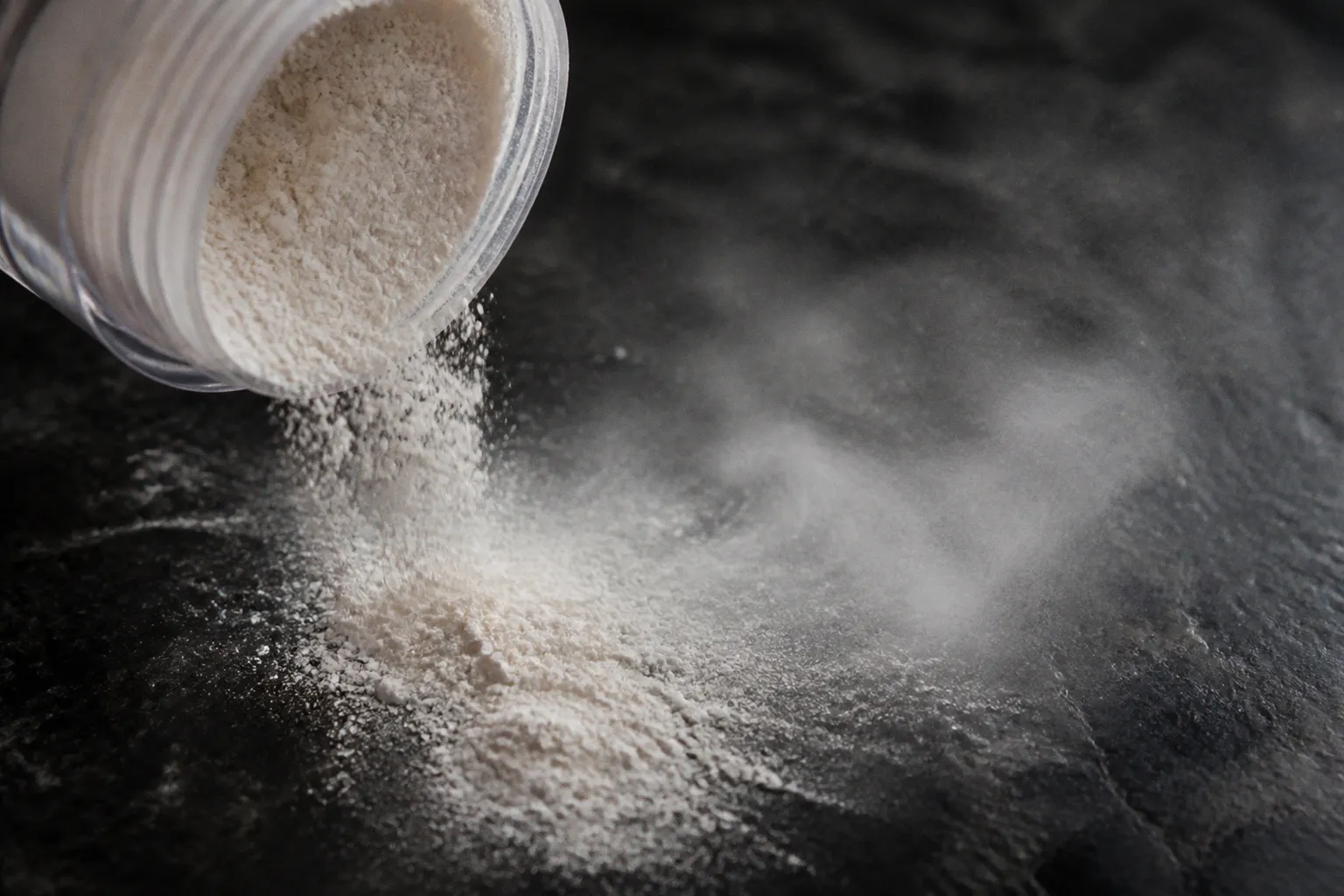
What this means at the brush level: when you swatch a clean palette, pay attention to how the powder picks up. If it feels chalky and flies off the pan in a cloud of dust, you're probably looking at a poorly bound formula, not just a "clean" one. That's a structural failure, not an ingredient virtue. And brands hiding talc in position four or five of the INCI list while screaming "clean" on the box? That's performance theater.
Decoding INCI Labels: The 1,300 vs 11 Chemical Gap
Here's where most buyers get fleeced. They scan an ingredient list, see words they recognize — "mica," "iron oxide," "jojoba oil" — and assume they're reading a recipe. What they're actually reading is a legal document governed by the International Nomenclature of Cosmetic Ingredients standard.
INCI rules are specific: ingredients appear in descending order of concentration. The first five to seven ingredients on that list are doing 80–90% of the work in the formula. Everything after that is trace-level decoration.
This matters because "clean" branding loves to highlight the botanical extracts and fruit oils buried at position #14. They're not the formula — they're marketing window dressing. The structural decision-makers live up top.
| INCI Position | What It Means | What To Watch For |
|---|---|---|
| 1–3 | Base/filler system | Mica, talc, silica, boron nitride |
| 4–7 | Primary pigments and emollients | Iron oxides, jojoba esters, magnesium stearate |
| 8–15 | Performance and texture modifiers | Silicas, binders, plant extracts |
| 16+ | Trace ingredients, fragrance, preservatives | Anything under 1% concentration |
If a brand uses talc, it's typically position 1. If they don't, you'll see mica or another silicate up top — and that's your first real signal that the formula is committed to its clean positioning rather than performing compliance theater.
The US regulatory gap also explains why you'll see ingredients in clean brands that European formulations avoid entirely. A brand can legally use a preservative system in the US that's restricted across the EU. When you're evaluating, check whether the brand ships to both markets. If yes, the formula is meeting stricter standards by default. If they only ship domestically, you're trusting their internal safety panel alone — and that's a leap of faith most marketing copy doesn't earn.
The Binding Problem: Why "Clean" Palettes Fall Apart
Now we're at the actual performance ceiling — and this is where most clean palettes earn their bad reputation.
Pressed eyeshadow is a structural engineering problem. Powder particles need to stay locked together in the pan, release cleanly onto a brush, adhere to the oil and moisture of your eyelid, then stay put through sweat, sebum, and the slow gravitational pull of a long day. Binders are the unsung heroes. They coat each pigment particle and create a network that holds the powder together.
Conventional shadows lean on ingredients like magnesium stearate, dimethicone, or various acrylates that have decades of performance data behind them. Clean formulations often replace these with plant-derived alternatives — jojoba esters, coco-caprylate, various natural waxes. Some work beautifully. Some absolutely do not.
The fallout problem you're seeing on your cheekbones? That's almost always a binder failure, not a pigment problem. The powder releases from the pan fine, lands on your lid, but lacks the adhesion base to lock in place. Tiny movements, blinking, the heat from your skin — and the particles migrate downward. Cue the muddy crease line by hour three.
| Symptom | Likely Cause | What To Look For |
|---|---|---|
| Heavy fallout on cheeks | Weak binder system | Jojoba esters, magnesium stearate mid-INCI |
| Muddy crease blending | Pigment overload without adhesion base | 10/90 to 50/50 base-to-pigment ratio |
| Patchy application | Insufficient pressing or dry formula | Pressed (not baked) formulations |
| Fades within 3 hours | No sebum-binding agents | Silicates or esters in mid-INCI range |
The base-to-pigment ratio is the technical spec most brands won't tell you. Conventional eyeshadows run anywhere from 10/90 to 50/50 — base powder to pigment. Clean formulas that lean too heavily on mica for shimmer often skew toward the high-base end, which is why some of them look ethereal in the pan and disappear the moment you hit skin. Payoff dies at the brush-to-lid transfer, not in the swatch.
If you're getting creasing and you haven't applied a primer, that's two problems stacked. But if you're getting creasing on top of a primer, that's a formula that lacks structural integrity at the binding level. No amount of skincare prep will rescue a blown-out formula. Stop blaming your skin.
Preservative Reality: The Microbial Trade-Off
Here's the paradox the clean beauty industry doesn't love discussing: completely preservative-free powder formulations can grow things you don't want near your eyes.
Powder products are lower-risk than water-based formulas — bacteria needs moisture to multiply. But pressed eyeshadows get touched by fingers, dipped with wet brushes, and live in bathrooms. Over an extended shelf life, even low-moisture environments can harbor microbial growth.
Conventional eyeshadows typically use synthetic preservatives like parabens or phenoxyethanol to keep microbial counts in check. Clean formulations pivot to alternatives — sometimes natural antimicrobials like rosemary extract or grapefruit seed oil, sometimes synthetic preservatives the brand considers "safe enough," sometimes nothing at all.
Preservative-free sounds virtuous until your palette develops a smell, a texture change, or a microbial problem you didn't catch until the irritation started.
The honest math: a properly preserved clean palette can last eighteen to twenty-four months. A preservative-free one might be safer at month six and riskier at month eighteen. There's no universal shelf-life standard across clean brands because the preservative systems vary wildly. Check the period-after-opening symbol on the packaging — that little open-jar icon with a number tells you how many months the brand is standing behind the formula once you start using it. If they didn't bother printing it, that's a tell.
Skip any palette that lists only "natural" ingredients with no antimicrobial system at all, especially if it contains water-based components like aloe vera or hydrosols. That's a contamination countdown dressed up as purity.
What to look for: brands that disclose their full preservation system, even if it includes synthetic preservatives the brand considers lower-risk. Transparency about what keeps the product safe is a much stronger signal than a "preservative-free" claim that doesn't address the microbial question. The latter is vibes. The former is formulation.
Ethical Sourcing: Beyond the Mica Question
Mica isn't toxic. The contamination concern with talc is real, but mica itself is chemically inert and safe for cosmetic use. The issue is where it comes from.
A major share of the world's mica historically came from mines using child labor, particularly in parts of India. The ethical mica movement has pushed suppliers toward certified responsible sourcing — Responsible Mica Initiative membership, EcoVadis certifications, documented chain-of-custody paperwork.
When a clean brand highlights "ethically sourced mica" or references a specific sourcing initiative, that's meaningful. When the claim is buried in vague copy about "sustainability" with no specifics, treat it as marketing. Brands that have done the work love to show the receipts. Brands that haven't learned to use the word "conscious."
The deeper sourcing concerns extend beyond mica. Iron oxides — the workhorse pigments in matte shades — have their own supply chain questions depending on the manufacturer. Synthetic alternatives exist but don't always deliver the same depth and texture. Cobalt-based pigments face sourcing restrictions entirely. Even titanium dioxide, used widely in highlighting shades, comes with processing concerns depending on the mining and refinement operation.
What this means for your buying decision: a brand's transparency about ingredient sourcing — full stop — is a stronger signal than any individual "clean" claim. Look for published sourcing policies, third-party certifications, and detailed supply chain documentation. Brands that invest in this tend to be more rigorous across their entire formulation, not just the ingredients they put on the label.
The Verdict: What Actually Works
After pulling apart talc risks, INCI reading, binder performance, preservation trade-offs, and sourcing transparency, here's the working framework.
A clean eyeshadow palette earns its position when:
- The base system is mica- or silicate-based, not talc, with that commitment visible in the first three INCI positions
- The binder system is disclosed and includes recognized adhesion agents, whether plant-derived or synthetic
- The preservation approach is honest — either full disclosure of the system used or a clear period-after-opening symbol
- The brand documents its mica and pigment sourcing with specifics, not just slogans
A clean eyeshadow palette fails when:
- Talc appears in the top three INCI positions while the brand markets "clean" on the packaging
- The binder system is vague, the formula is mostly pigment, and fallout is endemic
- "Preservative-free" is a selling point without addressing microbial risk
- Ethical claims exist without sourcing documentation or third-party verification
The clean beauty space isn't about purity theater. It's about informed trade-offs — knowing what was replaced, why it was replaced, and whether the replacement actually performs. Some clean palettes absolutely deliver. Many don't, and they're banking on your good intentions to distract from bad formulation.
Read the INCI list. Check the base. Inspect the binder. Demand sourcing transparency. And if the palette doesn't perform under your specific conditions — hot lights, long days, humid climates, whatever your reality is — leave it on the shelf. Your eyes deserve better than aspirational marketing.