MakeUp in New York 2026: The Shift Toward Conscious Beauty and Sustainable Innovation
According to BW Confidential's early coverage, MakeUp in New York opened its doors at the Javits Center this week for its 15th edition, and the conversation has already tilted hard toward cleaner…

According to BW Confidential's early coverage, MakeUp in New York opened its doors at the Javits Center this week for its 15th edition, and the conversation has already tilted hard toward cleaner formulations and more thoughtful packaging. With over 160 exhibitors on the floor and names like Ilia Beauty and Danessa Myricks Beauty anchoring the conscious-beauty side of things, this show has quietly become a real bellwether for where color cosmetic formulation is headed. What caught my eye, sitting here in my treatment room, was the timing: just days before the EU's new green-claims rules go live, every "clean beauty" label on that show floor suddenly carries a little more weight.
Why the show floor matters for your lip ritual
The IT Awards at MakeUp in New York pulled in more than 80 makeup and skincare entries this year, with the jury narrowing things down to 21 finalists. There are two special categories I'm watching closely — a Ready-to-Market award for innovations built for a quick retail debut, and a Full Service award that recognizes work excelling on both formulation and packaging. For the rest of us, the people who actually live with these products on our vanities, that's a meaningful distinction. Fast-to-shelf is interesting, but fast-to-shelf and genuinely thoughtful about what touches our lips and how the case ends up? That's the kind of innovation I want rooted in my kit. Danessa Myricks, founder of her namesake brand, is delivering a keynote, and with Ilia Beauty on the exhibitor list alongside other conscious-leaning labels, the show's center of gravity is clearly on brands that have already built their identity around cleaner ingredient stories — the kind of brands our community has been quietly rooting for.
The elephant on the show floor: the EU's "clean beauty" reckoning
Here's where it gets genuinely urgent for anyone shopping the clean-beauty aisle, including the lip-care shelf. As regulatory guidance covered by CIRS Group explains, the EU's Directive on Empowering Consumers for the Green Transition — Directive (EU) 2024/825 — formally applies starting September 27, 2026, which is just over a week away. Once it's live, generic marketing terms like "clean beauty," "eco-friendly," "natural," "biodegradable," and "sustainable" are prohibited in the EU unless a brand can demonstrate officially recognized environmental performance. The same goes for "carbon neutral" claims that rest on offsetting emissions outside the product's own value chain, and self-created sustainability labels (the in-house "green star" or "eco series" badges) are out unless they sit on a third-party certification scheme. To me, that's not a punishment — it's the cleanup this category has quietly needed. When the same word can no longer just mean whatever a brand wants it to mean, the labels that survive are going to be the ones that actually did the homework. Your lip balm's "clean formula" claim should be able to point to something — an ingredient list you can read, a standard they met, a lifecycle they actually measured.
What I'd watch from here
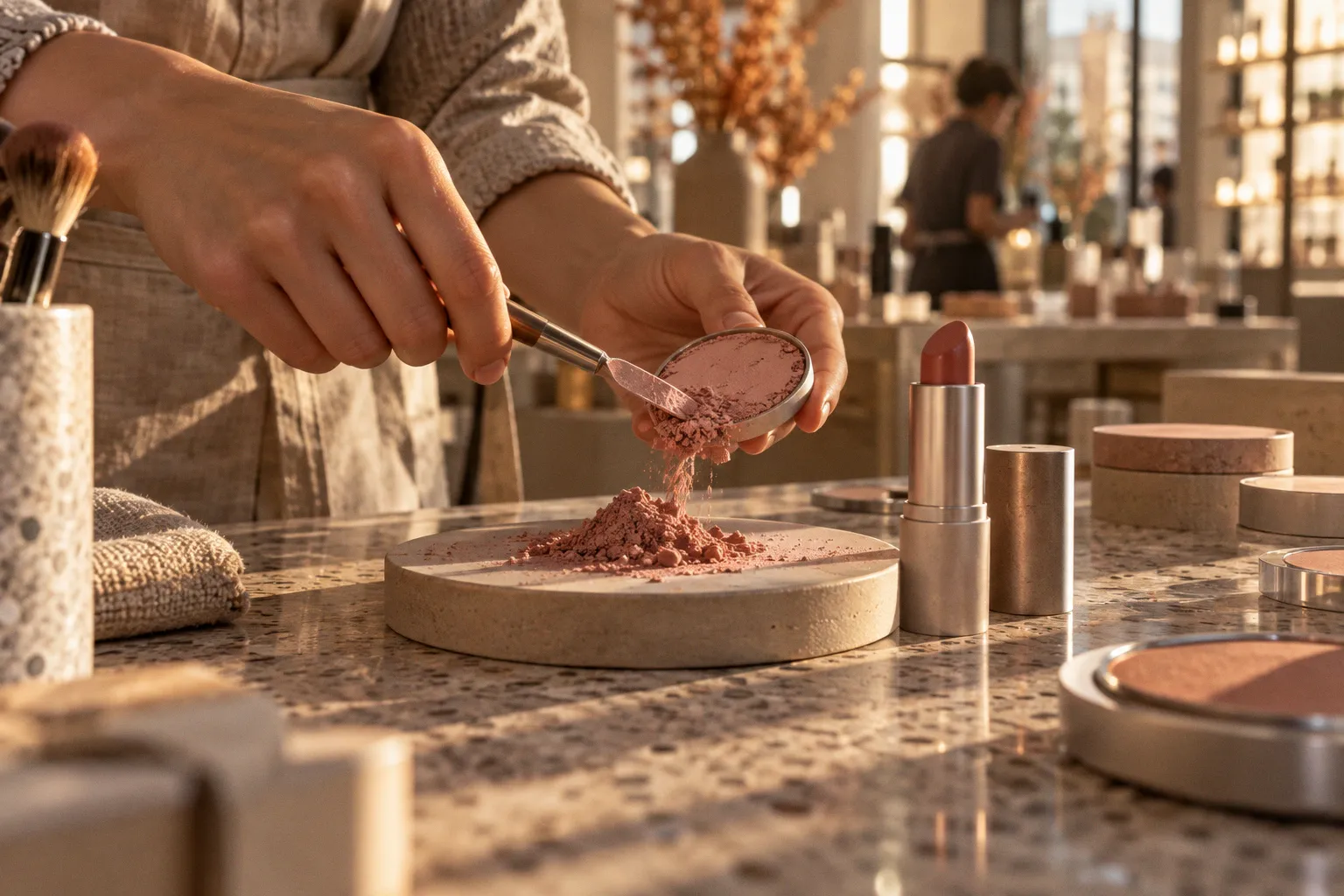
Two things I'd keep on my radar over the next few weeks. First, watch which IT Award finalists lean into packaging that genuinely reduces material — refillable lipstick bullets, mono-material compacts, post-consumer recycled resin — versus which ones just earn a sustainability badge. The award structure is set up to catch both halves of that equation, so the 21-name shortlist is a good place to start if you're curious where the next wave of lip-care packaging is coming from. Second, if a brand you love has been leaning heavily on "clean beauty" copy, give their site a careful look before September 27 — especially if they sell into the EU. Their language is about to tighten whether anyone notices or not, and the brands that quietly rework their claims without a lot of fanfare are usually the ones doing the real work. For my own routine, this is the part where I stop chasing buzzwords and start asking better questions of every tube, pot, and bullet that lands in my kit — and honestly, that shift has been a long time coming.