Vegan Matte Lipsticks: 5 Best Picks for Dry Lips
Matte lipstick has a reputation for making dry lips look drier: pigment settles into flakes, the edges feel tight, and a comfortable morning application can turn into a very obvious reminder of every patch of dehydration by lunchtime.
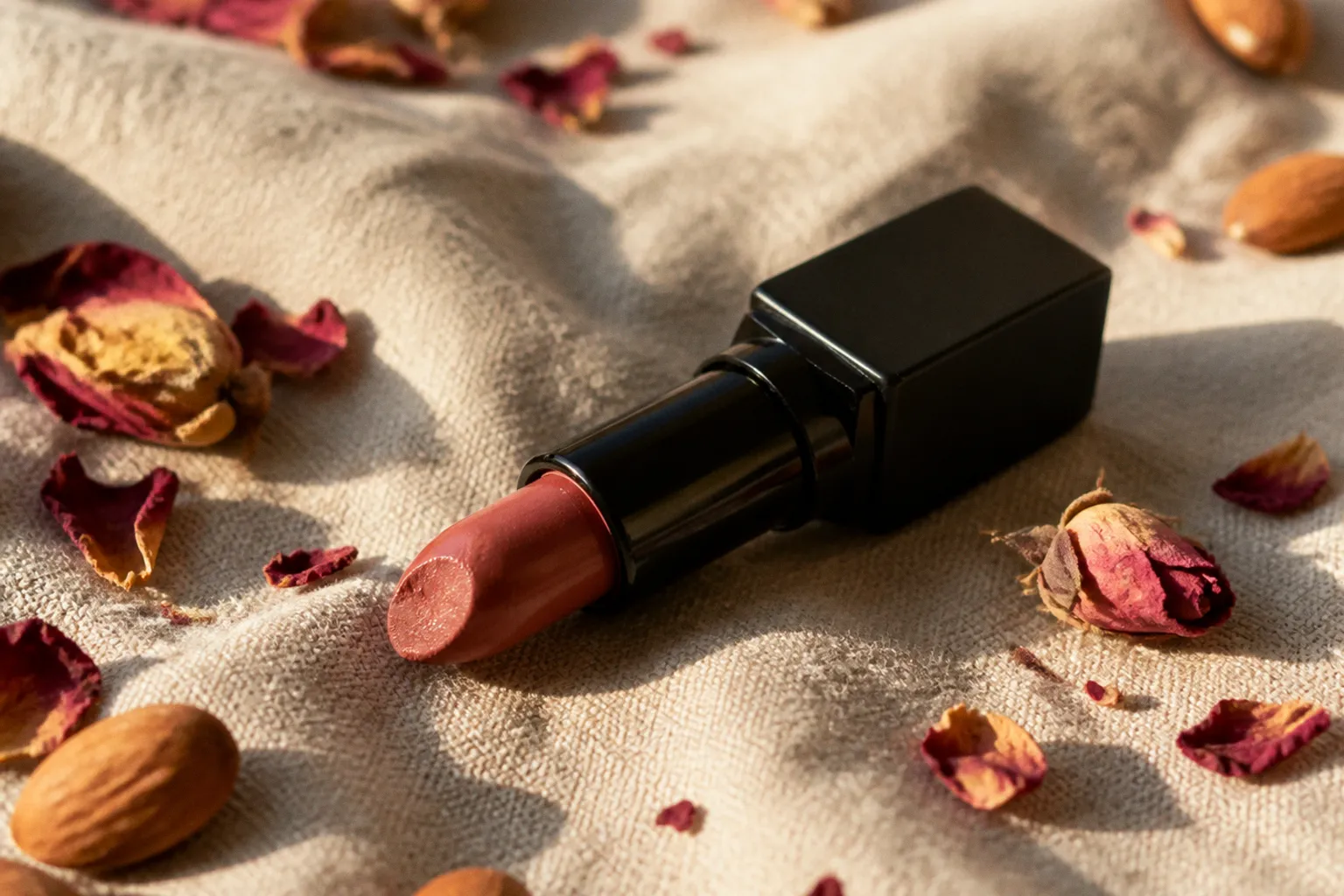
That reputation is not entirely unfair. A matte finish removes much of the slip and shine that make creamy lip products feel forgiving.
The better news is that vegan formulas have changed what a matte lipstick can feel like. Instead of lanolin, beeswax, or carmine, many formulas now use candelilla wax, plant oils, shea butter, coconut oil, grapeseed oil, and other conditioning ingredients. The result is not magically weightless or universally comfortable—no lipstick can override severely chapped skin—but the best vegan matte lipstick for dry lips can deliver full color without turning your lips into a tight, flaky surface.
I look for three things before I recommend a formula: a pigment-rich finish that does not require repeated layers, a nourishing base that supports comfort, and a texture that fits the way someone actually wears lipstick. A long-wearing liquid may be beautiful for an evening, while a creamy matte bullet is often more forgiving during a dry workday. Here are the five options I would place at the front of a conscious lip-care shortlist.
What makes a vegan matte lipstick comfortable?
Traditional lipstick formulas often rely on ingredients that are not vegan. Lanolin comes from sheep’s wool, beeswax is produced by bees, and carmine is a crimson pigment made from cochineal insects. None of those ingredients automatically makes a lipstick unsafe, but they do matter if you are choosing vegan cosmetics for ethical, environmental, or ingredient-preference reasons.
Vegan lipsticks replace those materials with combinations of plant waxes, oils, butters, and synthetic or mineral pigments. Candelilla wax is especially common because it helps create structure and a smooth glide without beeswax. Plant oils can soften the formula and reduce the dry drag associated with some matte products.
Still, “vegan” describes the source of the ingredients, not the finish or the skincare performance. A vegan lipstick can be drying if it contains a high concentration of volatile solvents, sets too quickly, or is designed to form a very firm film. Conversely, a comfortable matte formula may include nourishing ingredients but still emphasize longevity over balm-like softness.
When I assess a non-toxic matte lipstick for dry lips, I pay attention to the whole formula rather than one appealing ingredient. Shea butter, coconut oil, grapeseed oil, castor oil, vitamin E, hyaluronic acid, and plant waxes can all support a more comfortable experience, but the balance between pigment, emollients, waxes, and setting agents is what determines the final feel.
A vegan label tells you what the formula leaves out. Comfort depends on what replaces it—and how those ingredients work together.
The five best vegan matte lipsticks for dry lips
These picks cover different textures and price points, from accessible everyday makeup to premium clean beauty formulas. They are not interchangeable: a creamy matte bullet is easier to refresh, while a transfer-resistant liquid is better suited to occasions when you want less maintenance.
| Lipstick | Best for | Comfort-focused ingredients or formula details | Finish and wear profile |
|---|---|---|---|
| Smashbox Always On Cream to Matte Lipstick | Full coverage with stronger staying power | Natural oils in a creamy, vegan formula | Transfer-resistant matte with a softer application |
| Milk Makeup Lip Color Hydrating Matte Lipstick | Comfortable everyday matte color | Shea butter, coconut oil, grapeseed oil, and bamboo-derived blurring powder | Hydrating matte with a softly blurred look |
| Hourglass Velvet Story Lip Cream | Lightweight, high-coverage color | Mousse-like texture designed to remain comfortable | Airy, polished matte cream |
| e.l.f. Cosmetics vegan lip formulas | Affordable experimentation and daily shades | Vegan and cruelty-free formulas that avoid several commonly excluded ingredients | Varies by product; generally the easiest entry point |
| Nui Cosmetics vegan lipstick | Plant-oil and wax-focused clean beauty | Avocado oil, castor oil, and candelilla wax | Nourishing, long-lasting color with a more conditioning feel |
1. Smashbox Always On Cream to Matte Lipstick: the transfer-resistant choice
Smashbox Always On Cream to Matte Lipstick is the strongest option here for anyone who wants a matte look with less concern about color moving onto cups, collars, or fingertips. It is vegan and transfer-resistant, but its application begins with a creamy texture rather than an instantly dry film. That distinction matters for dry lips.
A lipstick that glides before it sets gives you time to even out the edges and distribute pigment without rubbing the lips repeatedly. Natural oils in the formula help maintain that creamy feel during application, while the final finish settles into a fuller matte look.
I would choose this formula for an event, a long workday, or any situation where you want a defined lip without constant checking. It is not the same as a nourishing lip balm with pigment, and people with active flaking should still prep first. But among longer-wearing vegan options, the cream-to-matte transition is a more forgiving design than a formula that dries down immediately.
The practical trade-off is that transfer resistance usually comes with a little less flexibility. Once the lipstick has set, adding several fresh layers can make the surface feel heavier. For the neatest result, apply one even coat, allow it to settle, and refresh only the areas where color has genuinely worn away.
Best for: full-coverage color, defined edges, and occasions when longevity matters more than a balmy finish.
2. Milk Makeup Lip Color Hydrating Matte Lipstick: the everyday comfort pick
Milk Makeup’s Lip Color Hydrating Matte Lipstick is the most obvious choice when dry-lip comfort is the first priority. Its formula combines shea butter, coconut oil, and grapeseed oil with a bamboo-derived blurring powder. That combination is doing two jobs at once: the oils and butter support a softer feel, while the powder helps reduce the appearance of uneven texture and shine.
This is the kind of hydrating vegan matte lipstick I prefer for a regular makeup routine. It can create a polished lip without requiring the very precise application that ultra-liquid formulas often demand. A softly blurred finish is also useful when the lips are not perfectly smooth, because it does not emphasize every line in quite the same way as a sharp, dry-looking matte.
In my clinic work, I often see people treat lip texture as something they need to scrub away before applying color. I would rather preserve the lip barrier and choose a formula that cooperates with natural texture. A short application of a gentle lip balm, followed by a few minutes of waiting and blotting, is usually more useful than aggressive exfoliation.
Milk Makeup’s formula is particularly well suited to that approach. Apply it directly for fuller coverage, or tap a small amount onto the center of the lips and blend outward for a softer stain-like effect. The latter uses less product and makes midday maintenance nearly seamless.
Best for: dry lips, a softly diffused matte finish, and comfortable daily wear.
3. Hourglass Velvet Story Lip Cream: the lightweight mousse
Hourglass Velvet Story Lip Cream offers a different interpretation of matte lipstick. Instead of feeling like a traditional waxy bullet or a strongly setting liquid, it has a lightweight mousse texture with high coverage. For people who dislike the sensation of dense lipstick, that airy feel can be a meaningful advantage.
The formula is designed to maintain comfortable hydration while delivering a polished matte appearance. I would consider it when someone wants a more elevated, velvet-like finish but does not want the visual heaviness that can come with several layers of opaque pigment.
The key is restraint. High-coverage mousse formulas often look best when applied in a thin, even layer. If you keep adding product to compensate for fading, the texture can lose its lightness. A small amount spread with the applicator or a lip brush gives a cleaner result, particularly around the cupid’s bow and the corners of the mouth.
This is also a useful option for people who want to move between makeup moods. A full layer creates a stronger lip, while a dab blended with a fingertip produces a softer flush. That versatility gives the product a longer lifecycle in a makeup bag: it is not limited to one highly specific look.
Best for: lightweight texture, high coverage, and a refined velvet matte effect.
4. e.l.f. Cosmetics: the accessible clean matte starting point
e.l.f. Cosmetics is the most approachable choice for anyone who wants to explore vegan lip products without beginning at the premium end of the market. The brand states that its formulations are 100% vegan and cruelty-free, and that they avoid ingredients including phthalates, parabens, nonylphenol ethoxylates, triclosan, triclocarban, and hydroquinone.
That gives e.l.f. a useful place in a conscious makeup routine, particularly if you are building a small collection and want to try several shades. The brand’s vegan lip options vary in texture, so I would not assume that every matte product will perform identically. A creamy lipstick, liquid color, gloss, and balm can all be vegan while offering very different levels of comfort and longevity.
For dry lips, I would favor the most conditioning-looking matte or satin-matte option in the specific range rather than choosing solely by the word “matte.” If the product pulls across the skin during application, that is a sign to stop layering and add a little lip preparation underneath. No price point changes the basic relationship between dry skin and a set, pigment-heavy texture.
The biggest advantage here is flexibility. e.l.f. allows you to experiment with undertones and depth without committing to a premium price. That matters because the most sustainable shade is often the one you actually wear through, not the one that sits untouched because it was too expensive, too bold, or too uncomfortable to reach for.
Best for: an affordable introduction to vegan lip color and building a practical shade wardrobe.
5. Nui Cosmetics: the plant-oil and wax-focused option
Nui Cosmetics takes a particularly ingredient-conscious approach to vegan lipstick, using plant-based oils and waxes such as avocado oil, castor oil, and candelilla wax. These ingredients give the formula a more nourishing profile while helping create a lasting lipstick structure.
Avocado oil and castor oil are familiar in lip care because they contribute emollience and slip. Candelilla wax offers firmness and shape without beeswax. Together, they create the kind of base I would look toward when someone wants a vegan lipstick that feels closer to a conditioning color product than a dry powder matte.
Nui sits toward the premium end of the category, so it makes the most sense when you already know which shades and textures you wear consistently. The higher price is easier to justify if the lipstick becomes part of a reliable ritual rather than an occasional impulse purchase.
The texture may also appeal to people who are trying to reduce the number of products in their routine. A nourishing lipstick that can be applied directly, softened with a fingertip, or paired with a non-toxic lip liner has more than one role. That kind of versatility supports product longevity and keeps the makeup drawer from filling with near-duplicates.
Best for: plant-based oils and waxes, a conditioning feel, and a more considered premium purchase.
Matte finish versus dry-lip comfort
A matte finish is created by reducing visible shine and increasing the concentration of pigments, powders, or film-forming ingredients. Those choices give the color its clarity and staying power, but they can also make surface dryness more visible.
The most comfortable formulas usually manage this tension rather than pretending it does not exist. Shea butter and botanical oils can soften the feel. Bamboo-derived powders can blur the look of fine texture. Hyaluronic acid and vitamin E may support a more conditioned experience in formulas that include them. Plant waxes help maintain structure without relying on beeswax.
But ingredient lists should be read with realistic expectations. Shea butter does not guarantee that a lipstick will suit every person, and a vegan formula containing coconut or botanical oils may not be ideal for someone with a specific sensitivity. The research available for these products also does not establish one universal wear time across every shade, climate, or lip condition.
Shade can change the experience, too. Deep reds, berries, and browns often require more pigment and more careful edge work than sheer nudes. Very pale matte shades can emphasize flaking because contrast makes uneven texture easier to see. A mid-tone rose, terracotta, or muted berry is often a gentler starting point if your lips are persistently dry.
How to wear vegan matte lipstick without emphasizing flakes
The best product can only work with the surface it is applied to. My preferred preparation is simple and low-friction. The goal is to support the lips’ natural barrier, not to polish them into artificial smoothness.
1. Start with a nourishing lip balm. Apply a comfortable layer before the rest of your makeup. Look for a balm that leaves the lips supple rather than waxy or sticky.
2. Give the balm time to settle. A few minutes allows the emollients to soften the surface. Right before applying lipstick, blot away excess shine so the matte color does not slide.
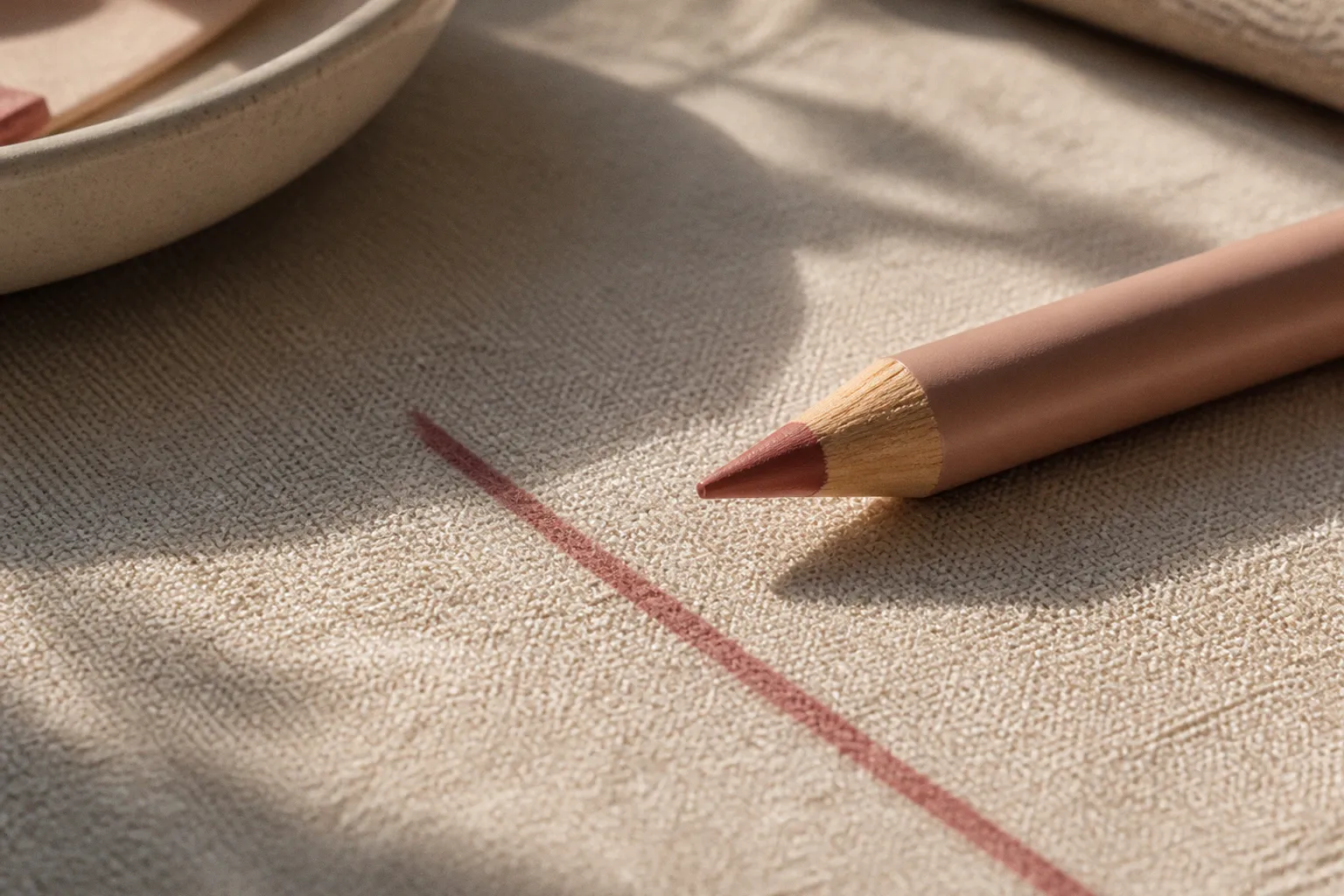
3. Use a non-toxic matte lip liner only where it helps. Liner can define the border and prevent feathering, but outlining the entire lip with a very dry pencil may create a tight base. For dry lips, fill in lightly rather than building a thick opaque layer.
4. Apply less lipstick than you think you need. Start at the center and distribute toward the edges. A thin coat is more likely to remain comfortable and easier to refresh than several compressed layers.
5. Soften the finish when necessary. Press a fingertip over the color to diffuse the edges, or add a tiny amount of natural lip oil to the center if you are willing to trade some matte intensity for comfort.
6. Remove it gently at night. Long-wearing formulas should not be scrubbed away with a dry tissue. Use an oil-based or balm cleanser suitable for the lips, then apply a simple nourishing treatment.
These steps are particularly helpful with transfer-resistant products. The more firmly a lipstick sets, the more valuable it becomes to prepare the lips before application rather than trying to repair discomfort after the product has dried.
Cruelty-free is not the same as vegan
The terms are often placed beside one another, but they answer different questions. Cruelty-free generally refers to animal testing. Vegan refers to the absence of animal-derived ingredients.
A cruelty-free lipstick may still contain beeswax, lanolin, or carmine. That does not make it a bad product, but it means it does not meet a vegan standard. Conversely, a vegan product should still be checked for the brand’s animal-testing policy if cruelty-free purchasing is part of your routine.
This distinction is especially relevant in lip color because carmine remains a common red pigment in conventional cosmetics. If you are shopping for a vegan red, berry, or coral lipstick, look for a clear vegan statement from the brand rather than assuming that a product is vegan because it is described as clean, natural, botanical, or cruelty-free.
“Clean” is also not a single regulated formula category with one universal ingredient list. Brands use the language differently. I treat it as a starting point, then look at the actual formula, the brand’s transparency, and whether the product’s performance matches the needs of dry lips.
Budget to luxury: where should you spend?
The vegan matte lipstick market stretches from accessible options such as e.l.f. to premium formulas from brands including Nui, Milk Makeup, Smashbox, and Hourglass. Price alone does not predict comfort. A more expensive lipstick can still feel dry, while a reasonably priced formula may become the product you use most often.
I would spend more when the formula offers a texture you genuinely cannot replace: a lightweight mousse, a particularly comfortable cream-to-matte finish, or a nourishing plant-oil base in a shade you wear repeatedly. I would spend less when you are still discovering whether you prefer a bullet, liquid, blurred stain, or satin-matte finish.
There is also a sustainability argument for buying slowly. A conscious lip collection does not need every undertone and finish. Choosing one everyday shade, one deeper shade, and perhaps a flexible lip liner is often more useful than collecting several versions of the same color.
A simple way to compare the options:
- Choose e.l.f. if price and experimentation are your priorities.
- Choose Milk Makeup if dry-lip comfort and a blurred everyday matte matter most.
- Choose Smashbox if transfer resistance is central to your routine.
- Choose Hourglass if you prefer a light mousse texture with strong coverage.
- Choose Nui if plant oils, plant waxes, and a more nourishing feel justify a premium purchase.
My final verdict
For most people with dry lips, Milk Makeup Lip Color Hydrating Matte Lipstick is the strongest overall choice. The combination of shea butter, coconut oil, grapeseed oil, and bamboo-derived blurring powder addresses the two things a matte lipstick needs to balance: visible texture and physical comfort.
Smashbox Always On Cream to Matte Lipstick is the better pick when longevity and transfer resistance take priority. Hourglass Velvet Story Lip Cream is the elegant lightweight option, while Nui Cosmetics stands out for its plant-based oils and candelilla wax. e.l.f. remains the sensible entry point for anyone who wants to explore vegan lip color without a large initial investment.
Whatever you choose, give the lipstick a fair chance by caring for the lips beneath it. A nourishing balm, a thin application, gentle removal, and regular use of the shade you already own will do more for the product’s lifecycle—and for your comfort—than chasing a new matte finish every season.