Affordable Ashwagandha Stress Supplements: Where Value Holds Up
The lowest shelf price is not always the gentlest choice for your budget. This price-first selection compares capsule counts, stated dosage, and format so you can see where value is real—and where it starts to thin out.

A low price can feel reassuring when you are building a calmer evening ritual, but supplements make that comparison surprisingly slippery. One bottle may contain 30 servings, another 180 capsules, while a powder lists only its total weight. Without a disclosed serving size, a large-looking tub can be impossible to compare fairly.
At a glance
| Product | Price | Rating | Best for |
|---|---|---|---|
| Swanson Vitamins Ashwagandha 450 mg, 100 vegan capsules | €8.17 | ★ 4.7/5 · 30,499 reviews | Best for a low-cost capsule starting point with a clearly stated amount. |
| California Gold Nutrition Ashwagandha 450 mg, 180 vegetarian capsules | €19.12 | ★ 4.7/5 · 6,590 reviews | Best for shoppers who want the lowest approximate capsule cost in a larger pack. |
| NOW Foods Ashwagandha 450 mg, 180 vegetarian capsules | €23.77 | ★ 4.7/5 · 47,709 reviews | Best for someone willing to pay a little more for a stated standardized-extract format. |
| NOW Foods Ashwagandha 450 mg, 90 plant capsules | €13.57 | ★ 4.7/5 · 47,709 reviews | Best for a smaller commitment when you do not want to buy a bulk bottle. |
| Pure Indian Foods Organic Ashwagandha Root Powder 227 g | €15.63 | ★ 4.8/5 · 112 reviews | Best for a shopper who prefers organic root powder and already measures powders comfortably. |
| Starwest Botanicals Organic Ashwagandha Root Powder 453.6 g | €29.64 | ★ 4.5/5 · 788 reviews | Best for frequent powder users who value the largest listed quantity. |
| Gaia Herbs Ashwagandha Gummies 45 gummies | €17.33 | ★ 4.6/5 · 366 reviews | Best for people who are unlikely to maintain a capsule or powder ritual. |
Our picks: Ashwagandha stress picks
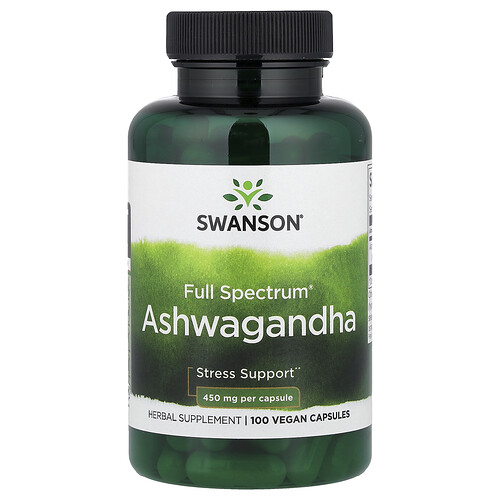
Best for a low-cost capsule starting point with a clearly stated amount.
Pros
- Lowest listed capsule price
- 450 mg per capsule
- Vegan capsule format
- 4.7/5 from 30,499 reviews
Cons
- Smaller pack than the 180-capsule options
- Full Spectrum is stated, but standardization details are not disclosed
What to watch: Check the serving directions, extract details, and interaction warnings before use.
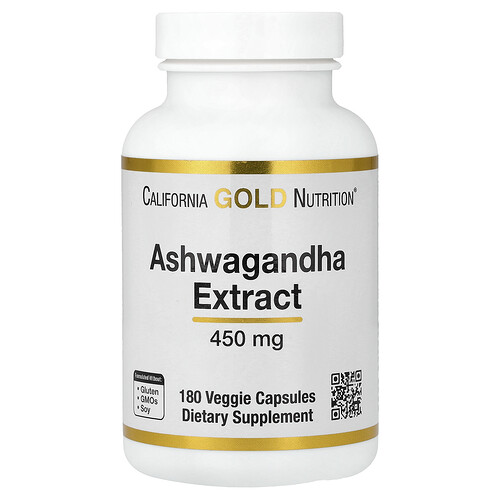
Best for shoppers who want the lowest approximate capsule cost in a larger pack.
Pros
- 180 capsules for ongoing use
- 450 mg per capsule
- Vegetarian capsule format
- 4.7/5 from 6,590 reviews
Cons
- Higher upfront cost than the smallest bottle
- Extract form and serving schedule are not disclosed in the supplied facts
What to watch: Confirm the label’s daily amount and cautions rather than assuming one capsule is one serving.
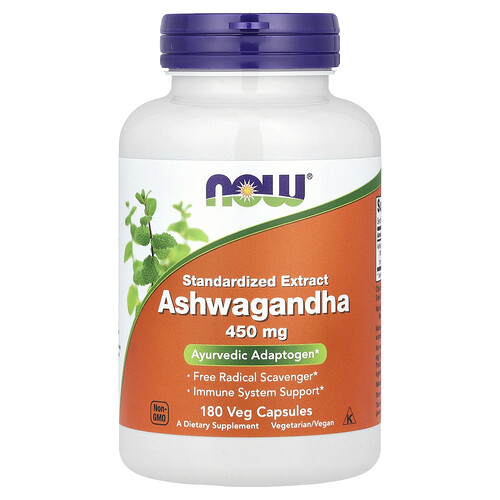
Best for someone willing to pay a little more for a stated standardized-extract format.
Pros
- 180 vegetarian capsules
- 450 mg per capsule
- Standardized extract is stated
- 4.7/5 from 47,709 reviews
Cons
- Costs more per capsule than the lower-priced 180-count option
- The standardization percentage is not disclosed
What to watch: Look for the extract ratio, standardization details, serving size, and medicine cautions on the label.
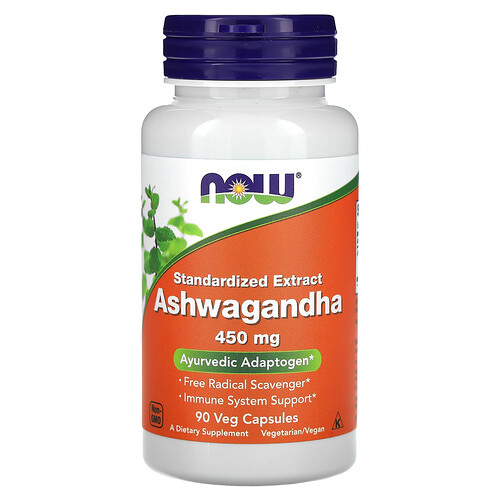
Best for a smaller commitment when you do not want to buy a bulk bottle.
Pros
- Lower upfront spend than the larger bottle
- 450 mg per capsule
- Standardized extract is stated
- 4.7/5 from 47,709 reviews
Cons
- Higher approximate cost per capsule than the 180-count version
- Only 90 capsules
What to watch: Check whether the smaller pack’s directions suit your intended routine before treating it as a trial.
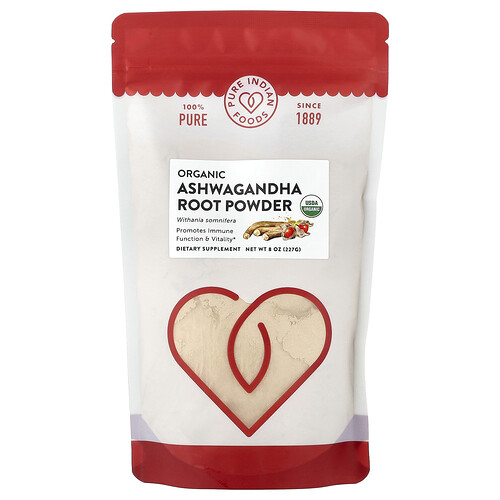
Best for a shopper who prefers organic root powder and already measures powders comfortably.
Pros
- 227 g total powder
- Organic root powder is stated
- Lower powder cost per gram than the smaller powder pack
- 4.8/5 from 112 reviews
Cons
- Serving size is not disclosed in the supplied facts
- Mixing and measuring take more effort than capsules
What to watch: Check scoop guidance, storage, source information, and the actual amount per serving.
Best for frequent powder users who value the largest listed quantity.
Pros
- 453.6 g total powder
- Organic root powder is stated
- Largest listed powder pack
- 1 lb format is clearly identified
Cons
- High upfront spend compared with the smallest capsule option
- Serving size and cost per serving are not disclosed
What to watch: Confirm the intended serving and keep the powder tightly sealed according to label directions.
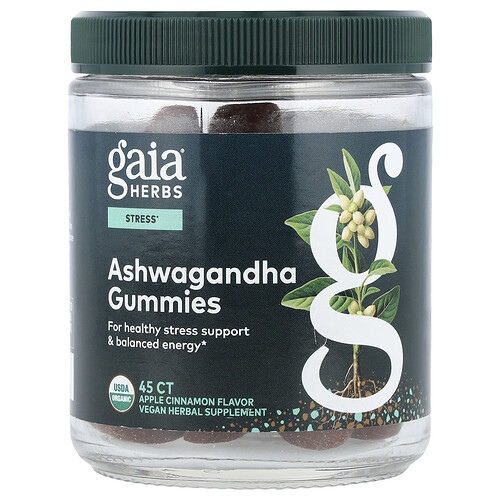
Best for people who are unlikely to maintain a capsule or powder ritual.
Pros
- Gummy format
- 45 gummies in the pack
- Apple-cinnamon flavor is stated
- 4.6/5 from 366 reviews
Cons
- Fewer units than the capsule options
- Ashwagandha amount per serving is not disclosed in the supplied facts
What to watch: Check the gummy serving size, sugar and allergen information, and any medicine cautions before use.
I picked these options from the supplied product data with a simple priority: start with the lowest honest cost, then ask what the extra money actually adds. Where the facts allow, I compare pack size, stated amount per capsule, and approximate cost per capsule. I do not convert powders or gummies into a cost per serving when the serving amount is not disclosed.
A gentle reminder before we get into value: ashwagandha is a food supplement, not a medicine, and a low price does not make it appropriate for everyone. If you are pregnant or breastfeeding, managing a health condition, taking sedatives or other regular medicines, or considering it for a specific symptom, a doctor or pharmacist should guide that decision.
Which ashwagandha supplement is the cheapest honest starting point?
The lowest-priced capsule option here is the 100-capsule, 450 mg position at €8.17, and its stated contents make it easier to assess than a product with an undisclosed dose. It works out to about €0.08 per capsule, though that is not the same as a cost per daily serving because the supplied information does not give a serving schedule.
That is the strongest budget entry if you want capsules and are comfortable checking the label for directions, extract details, and cautions. Its large review base may offer some reassurance about how widely it has been purchased, but ratings do not prove effectiveness, purity, or suitability for your body.
Is the larger bottle always better value?
No. The 180-capsule, 450 mg options are easier to compare than powders, and the least expensive of those comes to roughly €0.11 per capsule. A higher-priced 180-capsule option costs about €0.13 per capsule, so the premium needs to be justified by a meaningful label distinction rather than simply a bigger bottle.
This is where paying more can stop buying more. A standardized extract may appeal to shoppers who want a more clearly described extract format, but the supplied facts do not provide a percentage of active compounds, a clinical outcome, or proof that the premium will feel different in daily use. Keep the distinction in perspective: clearer labeling is useful, but it is not a promise of better results.
The smaller 90-capsule bottle is not automatically wasteful. It costs more per capsule than the larger bottle, but the lower upfront spend can be sensible if you are still deciding whether this format fits your routine. It becomes a false economy when you already know you will continue and repeatedly repurchase the smaller pack.
Are ashwagandha powders cheaper than capsules?
Powders can look economical by total weight, but the available facts do not disclose a serving size, scoop weight, or daily amount, so I would not call any powder the cheapest per serving. One 453.6 g option costs about €0.07 per gram, while a 227 g option costs about €0.07 per gram as well; that is a useful shelf comparison, not a complete value verdict.
Powder makes sense for someone who already has a consistent measuring ritual and does not mind mixing it into a drink or food. It is less seamless for anyone who wants a grab-and-go routine, and a bulk pack can become a false economy if the taste, texture, or preparation makes you stop using it. Check the label for the intended serving, scoop guidance, storage instructions, source, and any allergen statement before comparing it with capsules.
What does paying more add in this selection?
The clearest reasons to spend more are format preference, a larger pack, or a more specifically described extract—not a guaranteed stress outcome. The gummy option costs more than the lowest-priced capsules while offering only 45 gummies in the supplied data, and its serving amount is not disclosed here. That can still be worthwhile for someone who will not maintain a capsule routine, but convenience is the main value story.
A bulk powder may offer more total material, while a smaller powder pack lowers the commitment. A liquid or combination product could appeal to a particular routine, but blends and alternative formats make dose comparisons less transparent. For a price-first purchase, I would favor a simple single-ingredient product with a clearly stated amount over a cheaper-looking blend whose ashwagandha quantity is not separately given.
Who should skip a bargain ashwagandha supplement?
Skip the bargain if the label does not clearly state the serving amount, ingredient form, directions, and relevant cautions, or if the format is unlikely to fit your everyday ritual. People with medical conditions, those taking medicines that may interact with supplements, and anyone pregnant or breastfeeding should ask a qualified clinician before use.
Also skip the idea that a supplement can replace sleep support, stress counseling, nourishing food, or medical care. These products do not diagnose the cause of stress, and none of the supplied product facts establish a treatment effect. Keep the bottle stored as directed, close it carefully, and review the label again if the formula, dose, or your medicines change.
Which position would I buy first for value?
I would start with the lowest-priced 450 mg capsule option for a budget-conscious shopper who wants a straightforward trial and can verify the label before use. If I already expected to continue, I would move to the lower-cost 180-capsule position rather than repeatedly buying the smaller bottle; I would pay more for a standardized extract or gummies only when that specific format or labeling matters enough to support the difference.
This article is not medical advice. Food supplements replace neither a balanced diet nor treatment — if you have symptoms, your doctor decides.
Ad · affiliate links · If you buy through these links, we earn a commission.