8 Magnesium Supplements for Sleep, Ranked by Formulation and Label Clarity
Magnesium supplements differ in form, dose transparency, sweeteners, and combination ingredients. This ranking separates usable label data from unsupported sleep claims.

Sleep supplements are often marketed through outcome language. The formulation usually provides less certainty. Magnesium is a mineral, not a sedative drug, and a supplement cannot establish the cause of insomnia or replace medical assessment.
At a glance
| Product | Price | Rating | Best for |
|---|---|---|---|
| Protocol for Life Balance Magnesium Citrate, 100 tablets (200 mg per tablet) | €18.15 | ★★★★★ 4.8 · 527 reviews | For buyers who prioritise a fixed unit dose and straightforward tablet format. |
| Olympian Labs Magnesium Citrate, 300 capsules (133 mg per capsule) | €48.78 | ★★★★★ 4.7 · 835 reviews | For capsule users who want a large count and a stated per-capsule amount. |
| Swanson Vitamins DiMagnesium Malate Powder, 60 g | €16.33 | ★★★★★ 4.6 · 643 reviews | For users who prefer an unsweetened powder and want to avoid gummy formats. |
| Natural Vitality Magnesium Gummies, 120 gummies (83 mg per gummy) | €27.23 | ★★★★★ 4.7 · 2,491 reviews | For buyers who specifically need a chewable dose form. |
| Force Factor Magnesium + L-Theanine, 120 capsules | €22.54 | ★★★★★ 4.7 · 172 reviews | For buyers who intentionally want magnesium combined with L-theanine. |
| NaturesPlus Magnesium Powder, 408 g | €26.04 | ★★★★★ 4.7 · 574 reviews | For users who want a large powder container and a flavoured drink format. |
| Nature's Answer Marine Cal-Mag, 120 capsules | €30.65 | ★★★★★ 4.7 · 663 reviews | For buyers who want calcium and magnesium in one capsule product. |
| Twinlab Magnesium Capsules, 420 mg, 100 capsules | €6.71 | ★★★★★ 4.6 · 406 reviews | For budget-first buyers who prefer a conventional capsule product. |
Our picks: Magnesium supplements for sleep
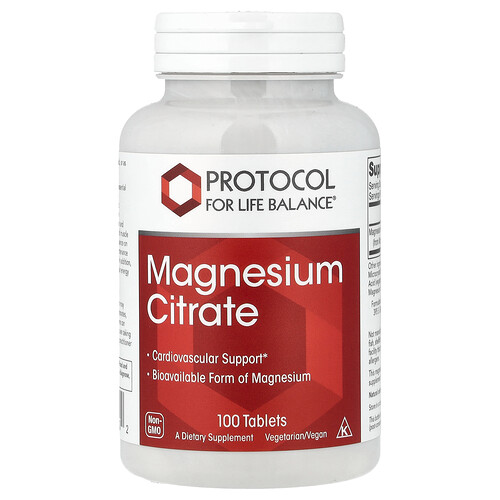
Protocol for Life Balance
Protocol for Life Balance Magnesium Citrate, 100 tablets (200 mg per tablet)
For buyers who prioritise a fixed unit dose and straightforward tablet format.
Pros
- 200 mg per tablet is stated
- 100-tablet count is disclosed
- Simple magnesium citrate format
Cons: Citrate may not suit users with gastrointestinal sensitivity · Elemental-magnesium status is not clarified in the supplied data
What to watch: Check whether the stated 200 mg refers to elemental magnesium and review the full label before combining it with other mineral products.

For capsule users who want a large count and a stated per-capsule amount.
Pros
- 133 mg per capsule is stated
- 300-capsule count supports extended use
- Single magnesium citrate focus
Cons: Citrate may cause gastrointestinal effects in sensitive users · No full excipient profile is supplied
What to watch: Verify the elemental-magnesium amount and the label serving size before setting a daily intake.

For users who prefer an unsweetened powder and want to avoid gummy formats.
Pros
- Dimagnesium malate form is named
- Listed as sugar-free
- Powder format allows label-directed preparation
Cons: Per-serving magnesium amount is not disclosed in the supplied data · Requires accurate measuring · No sleep-specific efficacy data are supplied
What to watch: Confirm the serving scoop, elemental-magnesium amount, and mixing instructions on the label.
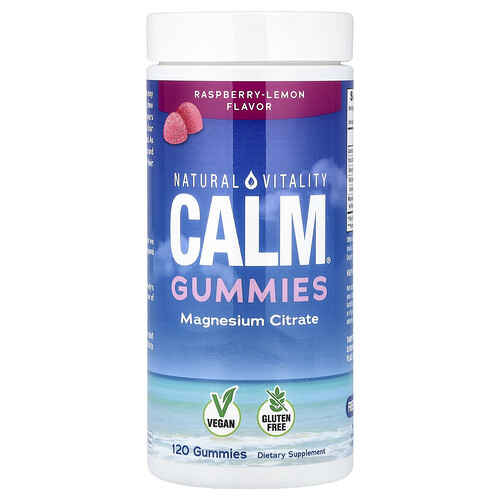
For buyers who specifically need a chewable dose form.
Pros
- 83 mg per gummy is stated
- 120-gummy count is disclosed
- Chewable format avoids capsule swallowing
Cons: Several gummies may be needed for the label serving · Sweetener and carbohydrate details are not supplied · The flavour system may not suit every diet
What to watch: Check the serving size, sugar or sweetener content, and total daily magnesium before using multiple gummies.
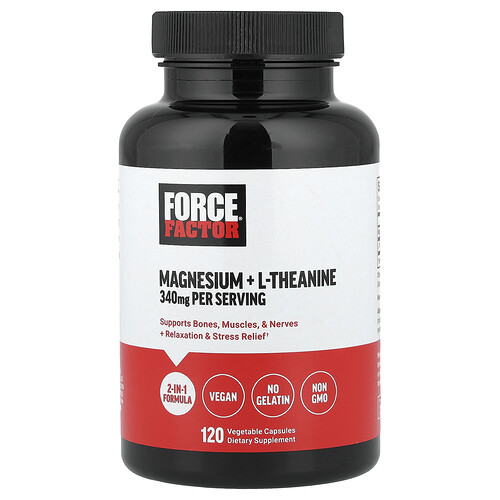
For buyers who intentionally want magnesium combined with L-theanine.
Pros
- Magnesium and L-theanine are identified
- 120 plant-based capsules are listed
- Capsule format provides fixed units
Cons: Separate magnesium and L-theanine amounts are not supplied · Combination formulas make individual effects harder to assess · Not a magnesium-only product
What to watch: Check both active amounts and review possible medication interactions before adding a second calming or sleep-oriented supplement.

For users who want a large powder container and a flavoured drink format.
Pros
- 408 g container is disclosed
- Powder format suits users who avoid capsules
- Pink lemonade flavour is identified
Cons: Per-serving magnesium amount is not supplied · Sweetener and additive details are not disclosed · Bulk packaging increases the cost of a dosing error
What to watch: Confirm the measured serving, elemental-magnesium amount, sweeteners, and any allergen statements before use.
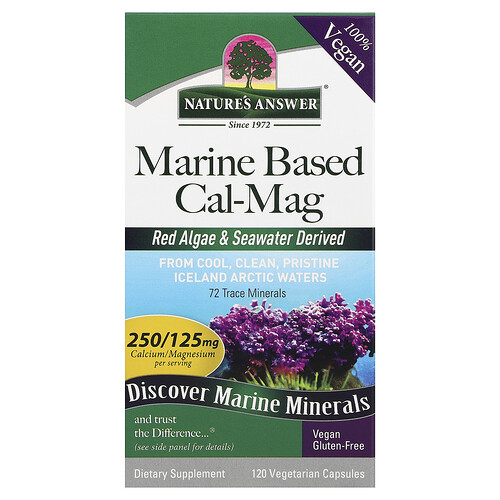
For buyers who want calcium and magnesium in one capsule product.
Pros
- Marine calcium-magnesium combination is identified
- 120 plant-based capsules are listed
- Fixed capsule format
Cons: Separate calcium and magnesium amounts are not supplied · It is not a magnesium-only formula · Additional calcium may be unnecessary for some buyers
What to watch: Check both mineral amounts and avoid overlapping calcium or magnesium products without professional guidance.

For budget-first buyers who prefer a conventional capsule product.
Pros
- 420 mg and 100 capsules are listed
- Capsule format uses fixed units
- Low listed price tier
Cons: The supplied data do not identify the magnesium form · Elemental-magnesium status is unclear · No sleep-specific performance data are supplied
What to watch: Do not assume the listed 420 mg is elemental magnesium; confirm the chemical form, serving size, and warnings on the label.
This selection uses the listed dosage, physical form, ingredient positioning, pack size, price tier, and available rating data. The ranking gives each product a separate use case. It does not treat a high rating as proof of sleep efficacy. The supplied product data do not include clinical results, elemental-magnesium calculations beyond the stated figures, excipient lists, or manufacturing tests.
The relevant comparison is therefore practical. Can the user identify the amount per unit? Is the format suitable for regular use? Does the product add calcium, vitamin-like ingredients, amino acids, sweeteners, or flavour systems? Those variables affect selection more reliably than the word “sleep” on a label.
What should a magnesium for sleep supplement actually provide?
It should provide a clearly stated magnesium amount, a usable dose form, and a label that does not obscure additional active ingredients. None of the listed products can be treated as a medicine or as a guaranteed intervention for insomnia.
Dose transparency comes first. A figure such as milligrams per tablet or gummy is easier to compare than a large total pack weight. A powder may contain many servings, but the supplied data do not always state the amount per serving. That prevents a direct dose comparison.
Form also matters. Capsules and tablets provide fixed units. Gummies provide a fixed unit but may require several pieces to reach the intended label serving. Powders require measuring and mixing. A user with an unstable sleep pattern should not increase intake simply because a product is presented as a food format.
Which magnesium form is easiest to compare?
A product with a stated amount per tablet or capsule is easiest to compare, but the label must still distinguish total compound weight from elemental magnesium. The supplied listings do not consistently make that distinction.
Citrate appears in two selected products. It is a common salt form, but individual gastrointestinal tolerance varies. A powder based on dimagnesium malate offers a different chemical form and avoids sugar according to its listing. That does not establish superior sleep performance.
The marine calcium-magnesium formula should be assessed as a combined mineral product, not as magnesium alone. Calcium may be unnecessary for a buyer seeking only magnesium. The product listing does not disclose the separate amounts in the supplied data.
A magnesium product that includes L-theanine has a more complex active profile. That may suit a buyer who specifically wants both ingredients, but it makes attribution harder. If sleep changes or adverse effects occur, the responsible ingredient is less obvious.
How much magnesium should you take before bed?
There is no universal bedtime dose established by the product data. Use the serving instructions on the current label and ask a doctor or pharmacist about personal limits, especially when medication, kidney disease, pregnancy, or other medical conditions are involved.
The selected products list different unit amounts. One gummy provides 83 mg. Another provides 84 mg. One tablet provides 200 mg. Another capsule lists 133 mg. These numbers should not be treated as interchangeable without checking whether they refer to elemental magnesium.
Do not calculate a bedtime protocol from the front of the package alone. Check the Supplement Facts panel, serving size, form of magnesium, number of servings, and any warning statements. A high total figure may describe the compound, the serving, or the entire daily intake. The label must resolve that ambiguity.
Are gummies and powders better than capsules?
No. Gummies and powders improve format suitability for some users, while capsules and tablets provide more controlled unit dosing. None of these formats proves greater efficacy for sleep.
Gummies may be easier to take, but the selected gummy products provide less magnesium per individual piece than the selected tablet and capsule products. That can increase the number of units required. Check sugar, sweetener, carbohydrate, and serving-size information because the supplied product data do not disclose the full excipient profiles.
Powders are appropriate for users who can measure accurately and tolerate the flavour system. One selected powder is explicitly listed as sugar-free. Another is described as a pink lemonade powder in a large 408 g container. Neither listing supplies a complete per-serving dose in the information provided here.
Capsules and tablets are more suitable when fixed-unit dosing is the priority. They are not automatically easier to swallow, and they do not eliminate the need to check the magnesium form and elemental amount.
Who should skip self-selecting a magnesium supplement?
People with kidney disease, medication interactions, pregnancy-related questions, persistent insomnia, or unexplained symptoms should obtain medical advice before using magnesium. A doctor decides medical questions.
Magnesium can also be a poor fit when gastrointestinal tolerance is limited, particularly with forms that may produce a laxative effect. The correct response to discomfort is not automatic dose escalation or switching between products without reviewing the label.
Buyers should also avoid stacking several mineral formulas without calculating the combined intake. Calcium-magnesium products, magnesium blends, gummies, and combination capsules may overlap. The supplied product names do not provide enough information to calculate a complete daily total for every formula.
How should the ranked cards be used?
Use the cards as a purchasing shortlist, not as a treatment ladder. Position reflects the stated use case: transparent unit dose, supply format, additive profile, combination complexity, or price tier.
The first positions favour products that are easier to audit from the supplied data. Later positions remain useful when a specific format or ingredient combination is the priority. The ranking does not mean that a lower position has weaker clinical efficacy; no clinical efficacy data were supplied.
Ratings and review counts are editorial context only. A rating of 4.8/5 does not demonstrate absorption, correction of deficiency, sleep improvement, or absence of adverse effects. The label remains the controlling document.
Which magnesium supplement would you buy first?
I would buy position 1 first for an adult who wants a fixed tablet format and a clearly stated 200 mg unit amount, subject to label verification and medical suitability. Skip it if citrate is poorly tolerated, if a combination product is preferred, or if a clinician has advised against magnesium use. In binary terms: choose the most transparent format you can safely use, or do not buy a sleep supplement on marketing language alone.
This article is not medical advice. Food supplements replace neither a balanced diet nor treatment — if you have symptoms, your doctor decides.
Ad · affiliate links · If you buy through these links, we earn a commission.