Structural Protein and Peptide Formulation Analysis
An analytical breakdown of structural protein supplements, contrasting molecular weights and amino acid profiles against standard marketing claims.

Consumers frequently search for an isolate whey protein supplement to maximize bioavailability and secure a complete amino acid profile. The objective is rapid gastric emptying and high concentrations of branched-chain amino acids for skeletal muscle synthesis. However, the commercial market heavily pushes alternative protein structures, specifically hydrolyzed collagen peptides, plant-based complexes, and dense meal replacements. This analysis evaluates the chemical composition, enzymatic hydrolysis, and peptide chain length of these available protein formulations. Marketing claims regarding tissue synthesis are directly contrasted against actual amino acid yields and molecular weights.
Our picks: Protein and Peptide Formulations
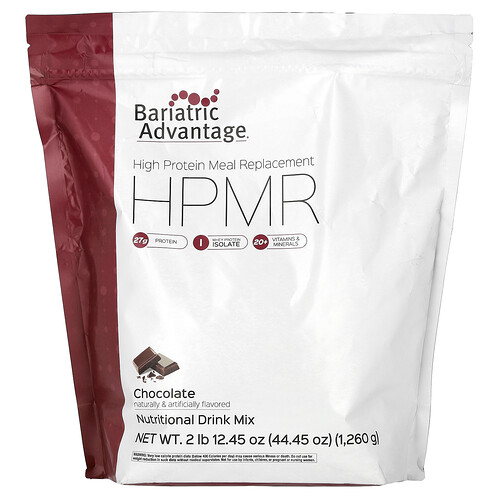
Bariatric Advantage
Bariatric Advantage, HPMR, High Protein Meal Replacement, Chocolate, 1260 g (2 lb. 12.45 oz.)
Engineered for compromised digestive systems requiring high-yield protein replacement.
Pros
- High caloric density
- Formulated for specific metabolic deficits
- Includes supplementary micronutrients
Cons
- Complex additive profile
- Contains artificial flavorings
What to watch: Caloric surplus is highly probable if used outside of strict meal replacement protocols.
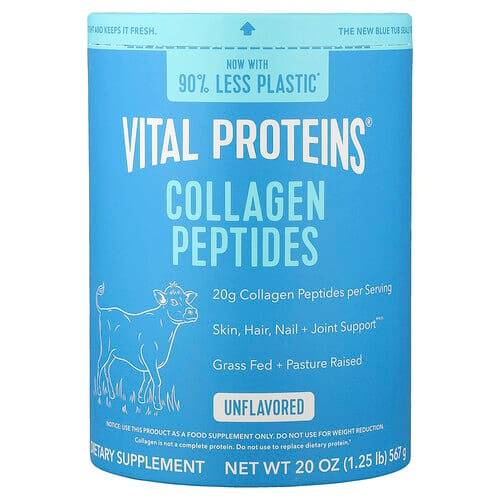
High-volume, single-source hydrolyzed collagen for connective tissue targeting.
Pros
- Extensive market data validation
- Unflavored formulation lacks excipients
- High aqueous solubility
Cons
- Incomplete amino acid profile
- Single-source derivation
What to watch: Lacks tryptophan entirely; cannot replace complete dietary protein sources for systemic synthesis.
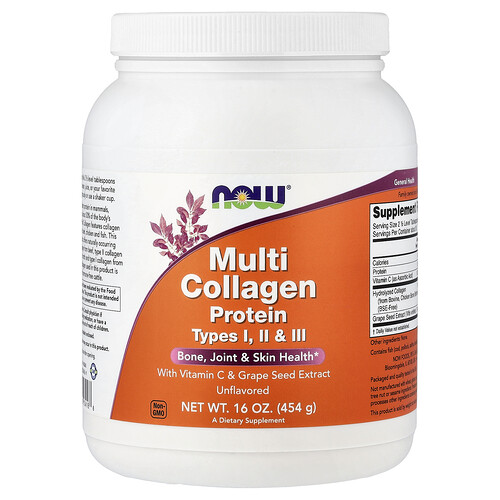
Multi-source peptide matrix for broader structural protein synthesis.
Pros
- Combines multiple collagen types
- Zero flavoring additives
- High mass yield per container
Cons
- Source ratios are not fully quantified
- Lower review volume compared to single-source competitors
What to watch: Multi-source animal derivatives inherently increase potential allergen exposure.

Plant-derived amino acid matrix designed to mimic collagen synthesis precursors.
Pros
- Completely vegan formulation
- Supplies exogenous precursors and cofactors
- Avoids animal-derived heavy metal accumulation
Cons
- Does not contain actual collagen peptides
- Relies heavily on endogenous synthesis efficiency
What to watch: Efficacy depends entirely on the user's basal metabolic rate and existing amino acid pool.
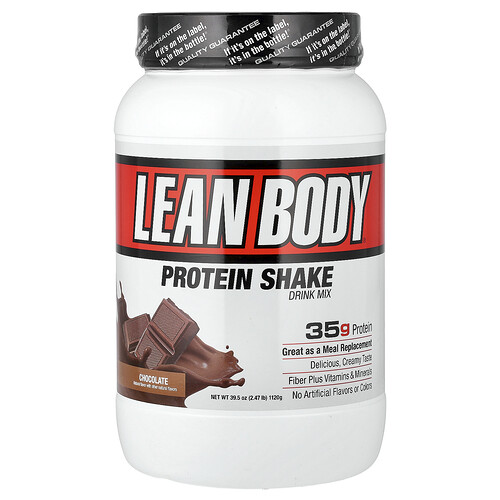
Labrada Nutrition
Labrada Nutrition, Lean Body, Protein Shake Drink Mix, Chocolate, 1120 g (2.47 lb.)
Macronutrient-balanced protein matrix for sustained gastric emptying.
Pros
- High total volume
- Includes supplementary lipids and carbohydrates
- Sustained absorption kinetics
Cons
- Contains complex flavoring systems
- High liquid viscosity
What to watch: High additive load and viscosity may cause gastrointestinal distress in sensitive individuals.
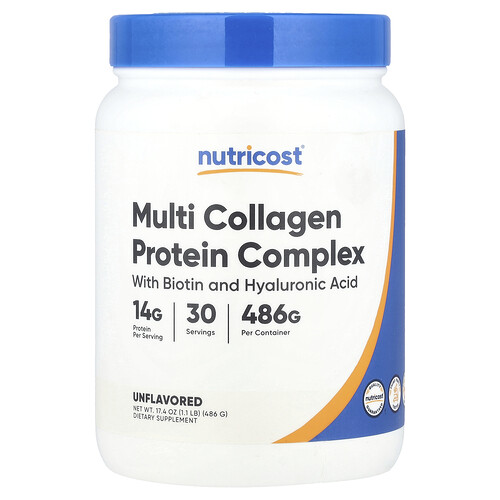
Cost-optimized multi-source peptide formulation.
Pros
- Multi-source peptide matrix
- Unflavored profile lacks masking agents
- Highly efficient mass-to-volume ratio
Cons
- Minimal market feedback
- Source transparency is standard rather than premium
What to watch: Budget formulations often utilize harsher extraction solvents during the hydrolysis phase.
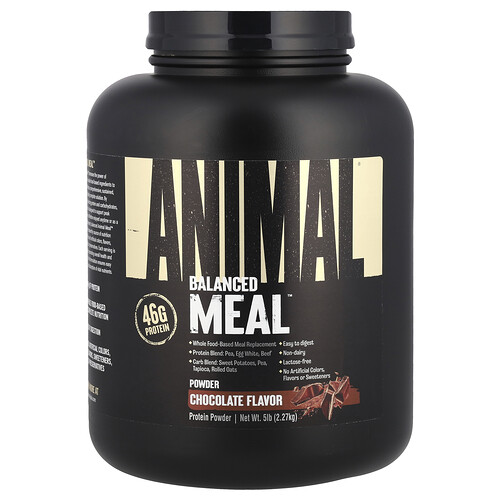
High-mass protein and carbohydrate matrix for elevated metabolic demands.
Pros
- Massive 2.27 kg volume
- Formulated for high energy expenditure
- Dense macronutrient profile
Cons
- High absolute caloric load
- Requires significant storage space
What to watch: Inappropriate for users seeking strict protein isolation without carbohydrate inclusion.
Selection methodology focused on structural integrity, source material, and additive profiles. Products were filtered by their primary protein matrix, whether animal-derived connective tissue, plant-based precursors, or complex macronutrient blends. Excipients, flavoring agents, and the presence of digestive enzymes were strictly scrutinized. Formulations relying heavily on proprietary blends without disclosing mass ratios were penalized. The resulting data set provides a cross-section of structural proteins and metabolic replacements currently available.
What defines biological value in a protein supplement?
Biological value depends entirely on the amino acid profile and absorption kinetics. Complete proteins provide all essential amino acids required for human tissue synthesis. Collagen peptides lack tryptophan and contain minimal branched-chain amino acids, rendering them incomplete. Plant-based builders rely on complementary amino acid profiles to achieve similar synthesis rates, often requiring higher total grammage to match animal-derived efficacy.
How does enzymatic hydrolysis affect absorption?
Hydrolysis cleaves long polypeptide chains into smaller peptides. This reduces the molecular weight of the protein, typically measured in Daltons. Lower molecular weight accelerates intestinal transport and systemic availability. Intact proteins require significant endogenous protease activity in the gastrointestinal tract. Hydrolyzed collagen or pre-digested proteins bypass this initial enzymatic breakdown, offering a more rapid influx of amino acids into the bloodstream.
Why do formulations include digestive enzymes?
Enzymes like pancreatin or pepsin are added to compensate for insufficient endogenous secretion. These biological catalysts lower the activation energy required to break peptide bonds. For individuals with compromised digestive efficiency, intact proteins cause gastrointestinal distress and yield poor absorption rates. Exogenous enzymes ensure the macromolecule is properly degraded into absorbable di- and tri-peptides.
Verdict
The optimal acquisition is the Bariatric Advantage HPMR for users requiring a highly formulated, calorically dense protein matrix due to specific metabolic deficits. Its clinical target profile justifies the complex formulation. For specific connective tissue targeting, the NOW Foods Multi Collagen offers a multi-source peptide profile at a statistically optimal volume. Users strictly requiring skeletal muscle synthesis should bypass collagen entirely and seek complete amino acid matrices.
This article is not medical advice. Food supplements replace neither a balanced diet nor treatment — if you have symptoms, your doctor decides.
Ad · affiliate links · If you buy through these links, we earn a commission.