The Reality of Using Henna Powder in Clean Beauty and Hair Care Formulations
According to a recent industry overview circulated via Issuewire, Henna Powder — milled from dried Lawsonia inermis leaves — is being positioned as a preferred botanical raw material across clean…
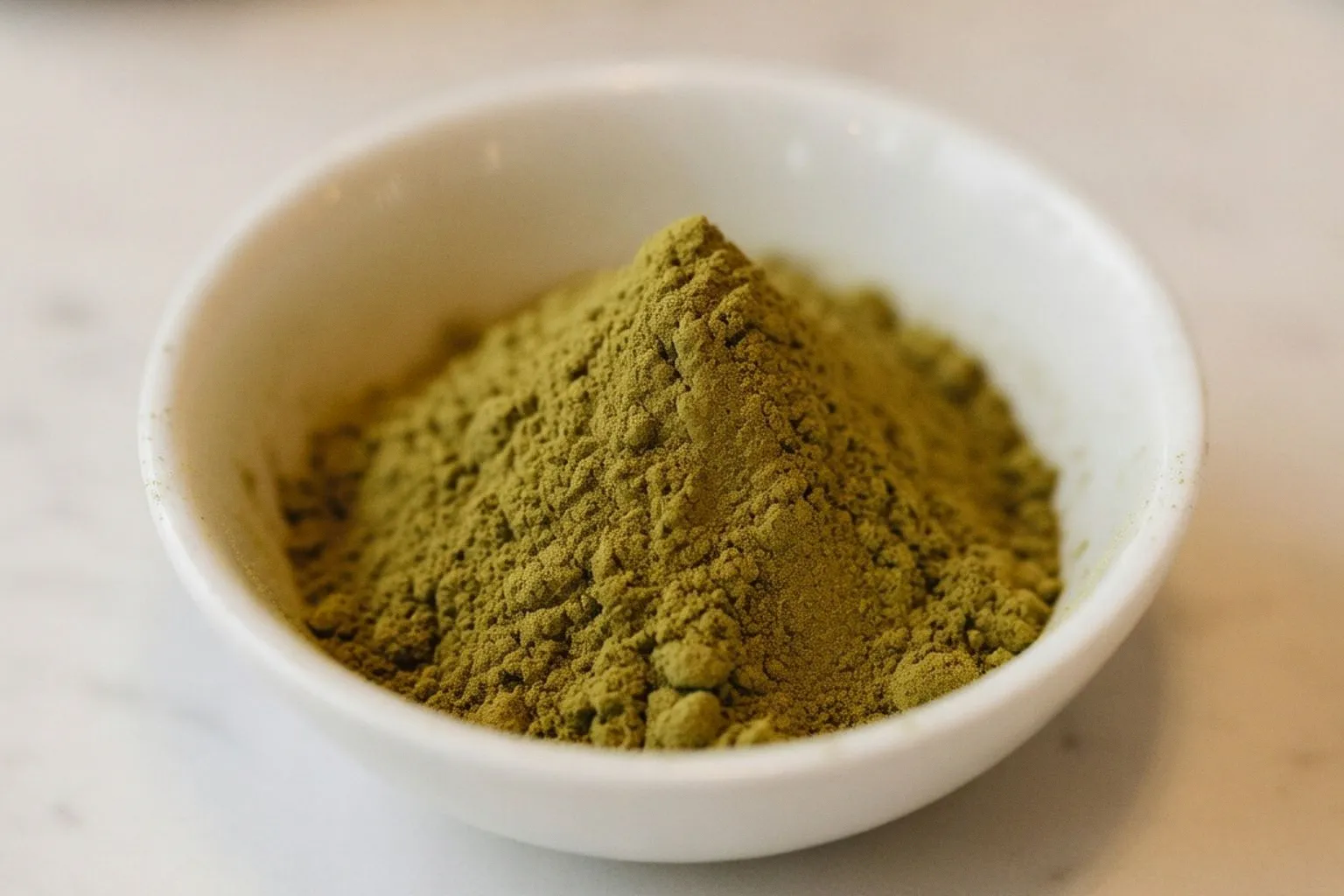
According to a recent industry overview circulated via Issuewire, Henna Powder — milled from dried Lawsonia inermis leaves — is being positioned as a preferred botanical raw material across clean beauty and hair care lines. The piece frames henna as a versatile, plant-derived ingredient aligned with the shift toward clean-label formulations. From a formulation standpoint, the claims merit closer inspection against what the raw material actually delivers.
The Active Compound and Its Variability
Henna's pigmenting behavior derives from lawsone (2-hydroxy-1,4-naphthoquinone), a naturally occurring compound present in the dried leaf tissue. According to the source, finished powder varies in color, particle fineness, and active compound content depending on leaf origin and processing method. There is no single industry-wide specification for cosmetic-grade henna on the open market. Two batches carrying the same label can differ in dye release and deposition on keratin.
This variability matters more than the marketing copy suggests. A formulation built around "henna" without a defined lawsone concentration is built around an undefined active. For clean beauty brands placing it in hair masks, scalp treatments, or natural color products, the practical consequence is batch-to-batch inconsistency unless incoming material is tested for active content before compounding.
Where the Source Places It
The overview lists several formulation categories where henna is reportedly being incorporated: herbal hair masks, hair conditioning treatments, botanical shampoos, scalp care products, natural hair coloring formulations, body art products, facial masks, herbal soaps, and botanical skincare. The stated advantages are compatibility with many botanical ingredients and good dispersion during production due to fine particle texture.
Both claims are reported in the source. Neither is unusual for a milled botanical. The positioning as a preferred ingredient rests on the heritage of Lawsonia inermis and its long history of traditional use, not on a formulation-specific performance metric that other plant powders cannot match. That distinction is worth holding when reading any clean beauty label that lists henna near the top of the ingredient deck.
What to Verify Before Buying or Formulating
For consumers evaluating henna-based clean beauty products, three checks are worth running before purchase:
- Lawsone concentration on the supplier's certificate of analysis. If it is not disclosed, pigmenting performance is not predictable.
- Region of cultivation. Lawsonia inermis grows in tropical and subtropical zones, and quality varies with climate, soil, and harvest timing.
- Consistency between batches. The source explicitly notes that color and fineness vary, which functions as a usable consumer-level signal even without laboratory access.
For formulators, the practical conclusion is direct: treat henna as a functional dye and conditioning botanical with documented variability, not as a clean-label shortcut. The botanical positioning is accurate. The efficacy claim is entirely batch-dependent.