L-Theanine Supplements for Anxiety: Which Form and Dose Is Rational?
L-theanine products differ less by capsule technology than by dose, ingredient identity, and added compounds. This selection separates disclosed formulations from incomplete labels and assigns each option a specific use case.

L-theanine is an amino acid used in supplements marketed for relaxation, stress support, and anxiety. It is not an anxiolytic medicine. Product labels do not establish treatment efficacy, and a doctor decides medical questions.
| Product | Price | Rating | Best for |
|---|---|---|---|
| Gelatin Sculpt | — | — | For buyers willing to investigate an editorial pick whose available product record is incomplete. |
| Hormovance | USD79 | — | For buyers evaluating an editorial pick who can obtain the full formulation before purchase. |
| Horse Boost | USD79 | — | For buyers considering an editorial pick only after verifying that its formulation is relevant to their intended use. |
| California Gold Nutrition, L-Theanine, 100 mg, 30 plant capsules | €5.05 | ★ 4.7/5 · 25,058 reviews | For buyers who want a low disclosed dose and a named AlphaWave formulation. |
| Natural Factors, Stress-Relax, Suntheanine, 100 mg, 120 chewable tablets | €34.35 | ★ 4.7/5 · 2,096 reviews | For buyers prioritising a 100 mg chewable format with a disclosed Suntheanine ingredient. |
| Nutricost, L-Theanine, 200 mg, 30 capsules | €5.81 | ★ 4.8/5 · 9,719 reviews | For buyers who want a simple, disclosed 200 mg capsule without a listed branded form. |
| NOW Foods, L-Theanine Pure Powder, 28 g | €24.45 | ★ 4.7/5 · 726 reviews | For buyers who need flexible dosing and have access to an accurate milligram scale. |
| Doctor's Best, L-Theanine, AlphaWave, 200 mg, 60 vegetarian capsules | €16.50 | ★ 4.8/5 · 253 reviews | For buyers who want a 200 mg AlphaWave capsule with a larger count. |
At a glance
| Product | Best for |
|---|---|
| Gelatin Sculpt | For buyers willing to investigate an editorial pick whose available product record is incomplete. |
| Hormovance | For buyers evaluating an editorial pick who can obtain the full formulation before purchase. |
| Horse Boost | For buyers considering an editorial pick only after verifying that its formulation is relevant to their intended use. |
| California Gold Nutrition, L-Theanine, 100 mg, 30 plant capsules | For buyers who want a low disclosed dose and a named AlphaWave formulation. |
| Natural Factors, Stress-Relax, Suntheanine, 100 mg, 120 chewable tablets | For buyers prioritising a 100 mg chewable format with a disclosed Suntheanine ingredient. |
| Nutricost, L-Theanine, 200 mg, 30 capsules | For buyers who want a simple, disclosed 200 mg capsule without a listed branded form. |
| NOW Foods, L-Theanine Pure Powder, 28 g | For buyers who need flexible dosing and have access to an accurate milligram scale. |
| Doctor's Best, L-Theanine, AlphaWave, 200 mg, 60 vegetarian capsules | For buyers who want a 200 mg AlphaWave capsule with a larger count. |
Our picks: L-Theanine Supplements by Form
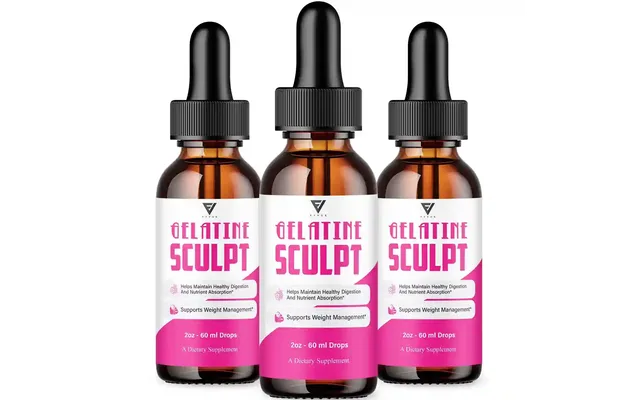
For buyers willing to investigate an editorial pick whose available product record is incomplete.
Pros
- Editorial Pick
- Product is included for editorial consideration
Cons: Dose is not disclosed · Form and count are not disclosed · Price and rating are not available
What to watch: Do not buy without confirming the L-theanine amount, serving size, ingredient form, full label, and safety warnings.
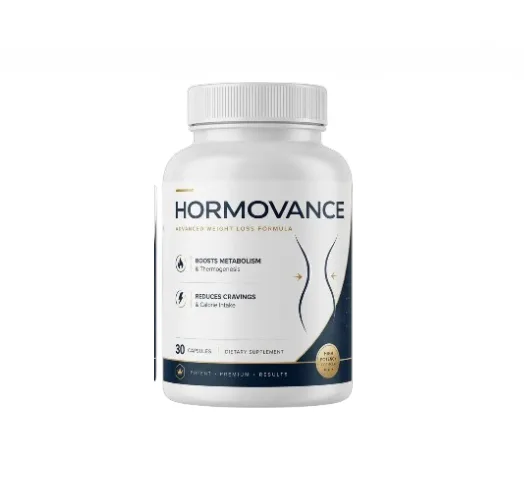
For buyers evaluating an editorial pick who can obtain the full formulation before purchase.
Pros
- Editorial Pick
- Product is included for editorial consideration
Cons: Dose is not disclosed · Delivery form is not disclosed · Rating is not measured
What to watch: Request the complete Supplement Facts panel and check all active ingredients for duplication or medication interactions.
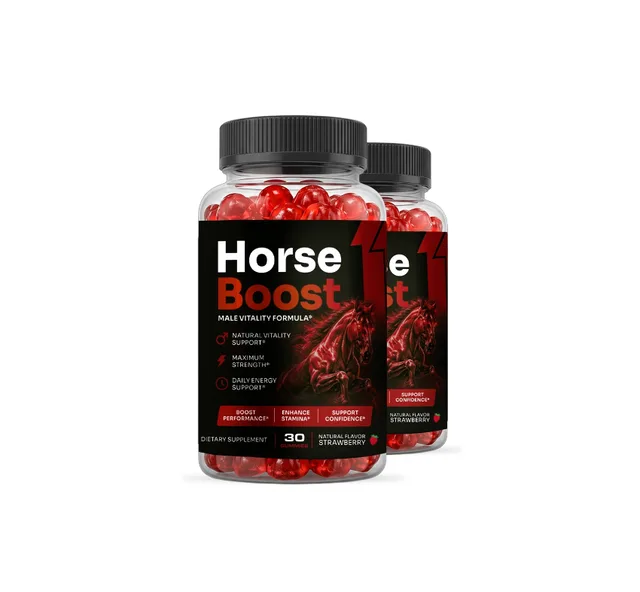
For buyers considering an editorial pick only after verifying that its formulation is relevant to their intended use.
Pros
- Editorial Pick
- Product is included for editorial consideration
Cons: L-theanine content is not disclosed · Form and serving count are not disclosed · Rating is not measured
What to watch: Skip it unless the seller discloses the exact L-theanine dose, other active ingredients, serving instructions, and interaction warnings.
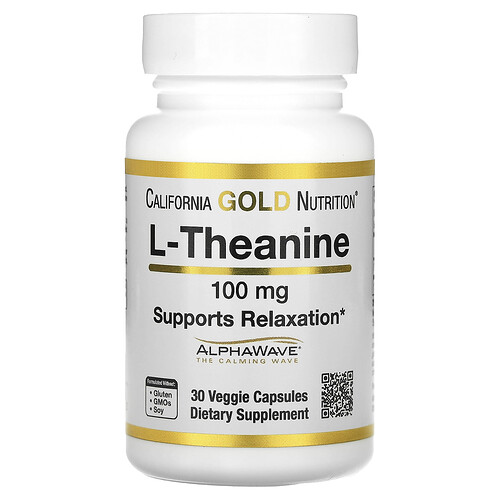
For buyers who want a low disclosed dose and a named AlphaWave formulation.
Pros
- 100 mg per capsule
- AlphaWave form is disclosed
- Plant capsules
- Rating: 4.7/5 from 25058 reviews
Cons: Only 30 capsules · Lower dose requires more units for a 200 mg intake
What to watch: Check the complete capsule ingredients and use caution if taking medication that affects alertness or blood pressure.
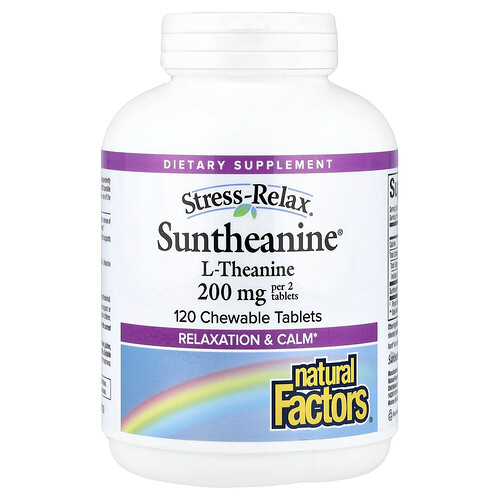
For buyers prioritising a 100 mg chewable format with a disclosed Suntheanine ingredient.
Pros
- 100 mg per tablet
- Suntheanine form is disclosed
- 120 chewable tablets
- Rating: 4.7/5 from 2096 reviews
Cons: Chewable format may add sweeteners or flavouring · Complete excipient list is not supplied
What to watch: Check sweeteners, flavouring agents, serving instructions, and dental or dietary restrictions before use.
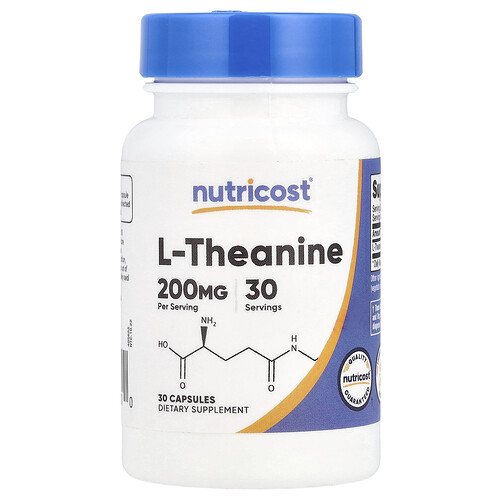
For buyers who want a simple, disclosed 200 mg capsule without a listed branded form.
Pros
- 200 mg per capsule
- Simple single-ingredient positioning
- Rating: 4.8/5 from 9719 reviews
Cons: Only 30 capsules · Named raw-material form is not disclosed
What to watch: Verify the full Supplement Facts panel and avoid assuming that a 200 mg unit is appropriate for every user.
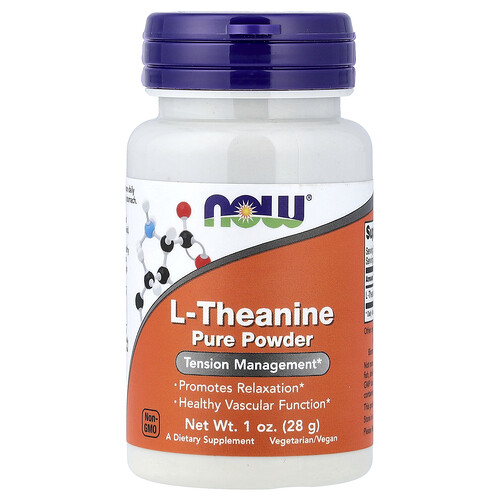
For buyers who need flexible dosing and have access to an accurate milligram scale.
Pros
- Pure powder format is disclosed
- Flexible measured dosing
- 28 g container
- Rating: 4.7/5 from 726 reviews
Cons: Measurement error is possible · No capsule-based dose control
What to watch: Use a precision scale, keep the powder dry, and follow the stated serving instructions rather than estimating with a household spoon.
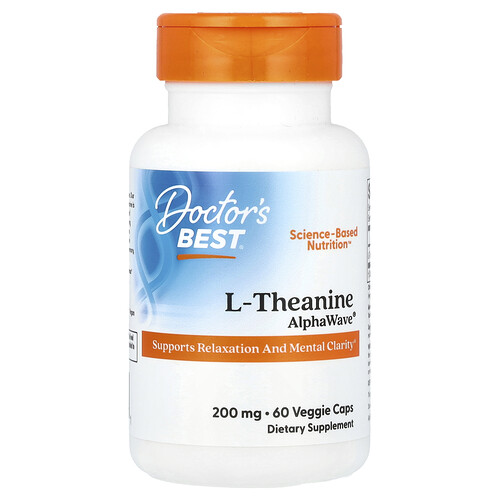
For buyers who want a 200 mg AlphaWave capsule with a larger count.
Pros
- 200 mg per capsule
- AlphaWave form is disclosed
- 60 vegetarian capsules
- Rating: 4.8/5 from 253 reviews
Cons: Higher unit dose offers less adjustment control · Review count is limited compared with some alternatives
What to watch: Check whether the full daily serving exceeds the amount you intend to use and review possible medication interactions.
The main purchasing variables are dose, ingredient specification, delivery form, and formulation complexity. A 100 mg capsule is not equivalent to a 200 mg capsule for cost or exposure. A named raw-material form such as AlphaWave or Suntheanine provides more formulation information than a label that states only “L-theanine,” but it does not guarantee a clinical outcome.
I selected products with different dosing strategies or delivery forms. The three products marked Editorial Pick are included because the brief requires them, but their available data are incomplete. Where the supplied product facts do not disclose the dose, form, or rating, that limitation is treated as a formulation defect rather than filled with assumptions.
Which L-theanine dose is the most practical starting point?
A disclosed 100 mg dose is the most conservative starting format, while 200 mg provides a higher single-serving amount. Neither dose can be presented as a treatment for anxiety, and the correct choice depends on the individual label, medical context, and tolerance.
Dose determines exposure more directly than packaging language. Products providing 100 mg allow smaller initial intake and easier adjustment if the label permits it. Products providing 200 mg reduce capsule count but give less control over the amount per unit. The product facts supplied here do not establish comparative efficacy between these doses.
Buyers should check whether the stated amount refers to L-theanine alone or to a blend. They should also verify serving size, suggested daily use, capsule contents, allergens, and any warning for pregnancy, sedative medication, blood-pressure medication, or other relevant treatment. A supplement label cannot replace a medication review.
Is AlphaWave or Suntheanine a better form of L-theanine?
AlphaWave and Suntheanine identify branded forms of L-theanine, but the supplied data do not prove that one is superior for anxiety. The useful distinction is traceability of the named ingredient, not an assumed clinical advantage.
A branded raw material can make the label more specific than a generic statement of “L-theanine.” It may also help a buyer compare products using the same ingredient identity. However, the listed product data provide no assay result, purity percentage, stability data, dissolution test, or independent laboratory verification. Those omissions limit what can be concluded.
The same rule applies to any branded or proprietary term. It is not a substitute for the actual amount per capsule or tablet. Buyers should look for the L-theanine quantity, the number of servings, the complete other-ingredient list, and a batch or quality statement where available. Marketing terminology does not establish suitability for a medical condition.
Does a capsule, chewable, softgel, or powder change the choice?
The dosage form changes administration and dosing flexibility more reliably than it changes the biological effect. Capsules and softgels provide fixed units, chewables may suit people who avoid swallowing capsules, and powder allows more flexible measurement but adds weighing risk.
Fixed-dose capsules are easier to audit. Each unit contains a stated amount, assuming the label is accurate. Chewables can introduce flavouring agents, sweeteners, and a larger excipient load; the supplied product facts do not disclose those complete ingredient panels. Softgels are not automatically more effective, and the available data do not establish a pharmacokinetic advantage.
Pure powder appears flexible, but flexible dosing is only useful when the user has an accurate scale and follows the label. Household spoons are not precision instruments. Powder also creates more opportunity for contamination, moisture exposure, and dosing error after opening. The container, scoop specification, storage instructions, and measured serving must be checked.
When is a higher-count package the rational purchase?
A higher-count package is rational when the dose is suitable and the buyer wants to reduce repurchasing frequency. Count alone does not prove lower cost per dose, because the amount per unit and serving instructions must be compared first.
The correct calculation is package price divided by the number of labelled servings, not capsules. A 60-capsule product may provide 60 servings or fewer. A 120-count product may be economical only if the stated dose is appropriate and the user does not need to split or discard units.
Longer supply also increases the time a product remains exposed to heat, humidity, and repeated opening. Check the expiration date, seal, storage conditions, and whether the package uses a desiccant. Products with large counts are not automatically preferable for a first purchase, particularly when the dose is high or the response is uncertain.
Why should combination products be treated separately?
Combination products should be treated as separate formulations because added ingredients change the risk assessment and make attribution less precise. A product containing magnesium, GABA, caffeine, tryptophan, vitamins, or other compounds cannot be evaluated as L-theanine alone.
A combination may be unsuitable when the buyer wants to identify the effect or tolerance of L-theanine. It can also create duplicate intake if the same ingredients appear in other supplements. Caffeine is particularly relevant to an anxiety-focused purchase because its stimulant effect may conflict with the intended use. Tryptophan, GABA, and magnesium require their own label and interaction review.
The supplied facts do not disclose the amounts of every ingredient in the combination products. That prevents a dose-based comparison with single-ingredient L-theanine. Check the full Supplement Facts panel, total daily intake, contraindications, and medication interactions before selecting a blend. Medical questions remain the responsibility of a doctor.
What should be checked when the product data are incomplete?
An incomplete product record should be treated as an information limitation. If dose, serving size, ingredient form, or quality documentation is not disclosed, the buyer cannot perform a proper comparison.
The minimum useful label data are L-theanine amount per unit, serving size, number of servings, complete inactive ingredients, allergen statement, storage instructions, and expiration information. For a branded form, the brand name should be stated clearly rather than implied by a broad stress-support claim.
Price and rating are also limited signals. Ratings measure reported satisfaction, not purity, dose accuracy, efficacy, or suitability for anxiety. A high review count does not correct an undisclosed dose. Conversely, the absence of a measured rating does not prove that a product is defective; it means the available comparison data are incomplete. The decision therefore depends on whether the label provides enough information to control dose and assess risk.
This article is not medical advice. Food supplements replace neither a balanced diet nor treatment — if you have symptoms, your doctor decides.
Ad · affiliate links · If you buy through these links, we earn a commission.