Natural Menopause Supplements: A Skeptical Shortlist for 2026
“Natural” describes origin, not efficacy or safety. This shortlist separates menopause-relevant positioning from general multivitamins, probiotics, and products with undisclosed formulations.

Menopause supplements are often sold through broad claims: hormonal balance, comfort, vitality, or support. Those phrases do not define a dose, an active compound, or a measurable endpoint. A supplement is not a medicine. It does not replace diagnosis or treatment decisions made with a doctor.
At a glance
- ManForceX — For buyers willing to investigate an editorial pick before purchase because the supplied listing provides no formulation details.
- Memo Pezil — For buyers using the editorial shortlist as a starting point for label verification, not as evidence of efficacy.
- Memocept — For highly cautious buyers prepared to reject an opaque listing unless the seller supplies verifiable label data.
- NATURELO One Daily Multivitamin for Women 50+, 60 vegetable capsules — For buyers seeking an age-specific daily multivitamin rather than a symptom-targeted menopause product.
- One-A-Day Women's 50+ Multi, 100 tablets — For buyers who want a conventional tablet with a clear 50+ category and substantial pack count.
- Garden of Life Dr. Formulated Probiotics Once Daily Women's, 30 plant capsules — For buyers prioritizing a once-daily probiotic capsule for a defined microbiota-related reason.
- Nutricost Women Chasteberry with Dong Quai and Ginger Root, 120 capsules — For buyers specifically considering a named botanical combination and prepared to screen interactions first.
- SmartyPants Organic Women's Multivitamins and Omegas, 120 gummies — For buyers who cannot tolerate standard capsules or tablets and prefer a gummy dose form.
Our picks: Natural menopause supplements
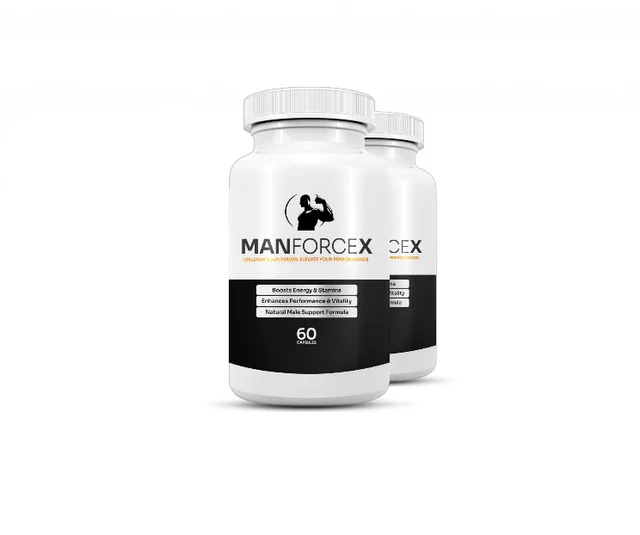
Best for: For buyers willing to investigate an editorial pick before purchase because the supplied listing provides no formulation details.
Pros
- Editorial Pick designation.
- Can be compared with products that disclose category and count.
Cons
- Ingredients and doses are not disclosed.
- No rating was measured.
- Menopause relevance cannot be verified from the supplied data.
What to watch: Do not buy without obtaining the full ingredient panel, serving size, warnings, and intended-use information.
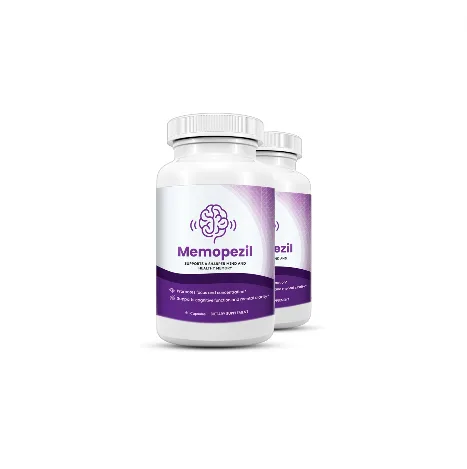
Best for: For buyers using the editorial shortlist as a starting point for label verification, not as evidence of efficacy.
Pros
- Editorial Pick designation.
- Included for direct comparison with more fully described products.
Cons
- Ingredients and doses are not disclosed.
- No rating was measured.
- The product category is not established by the supplied data.
What to watch: Require current composition and interaction warnings before considering use with hormone therapy or other medicines.
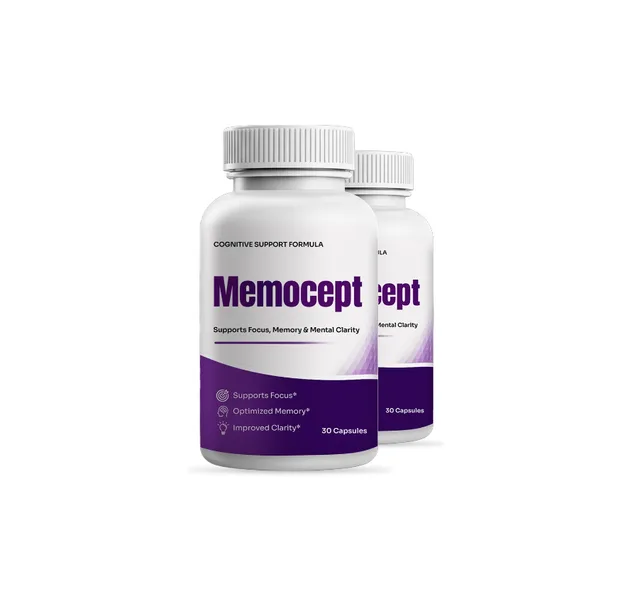
Best for: For highly cautious buyers prepared to reject an opaque listing unless the seller supplies verifiable label data.
Pros
- Editorial Pick designation.
- Provides a comparison point for transparency standards.
Cons
- Ingredients, dose form, and directions are not disclosed.
- No rating was measured.
- Menopause-specific purpose cannot be confirmed.
What to watch: Treat the missing formulation data as a purchase barrier and verify the complete label before use.
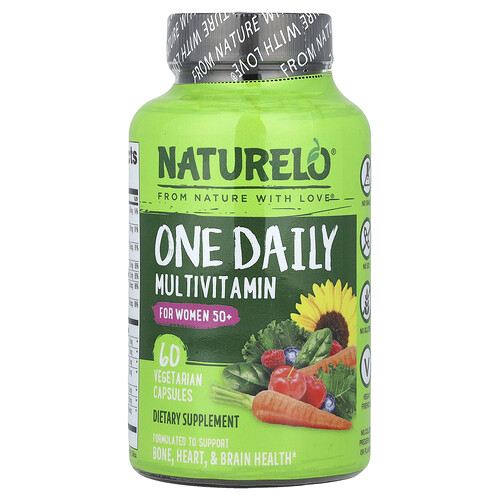
Best for: For buyers seeking an age-specific daily multivitamin rather than a symptom-targeted menopause product.
Pros
- 50+ positioning is explicit.
- Plant-based capsule format.
- Rating: 4.8/5 from 4,620 reviews.
Cons
- Not identified as a menopause treatment.
- Full nutrient amounts are not disclosed in the supplied data.
What to watch: Check the complete nutrient panel before combining it with another multivitamin or fortified product.
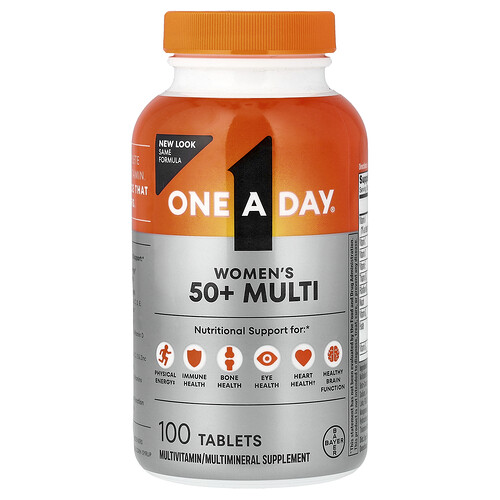
Best for: For buyers who want a conventional tablet with a clear 50+ category and substantial pack count.
Pros
- Explicitly intended for women 50+.
- 100-tablet count.
- Rating: 4.8/5 from 4,461 reviews.
Cons
- No menopause-specific efficacy is established by the supplied data.
- Tablet excipients and nutrient doses are not disclosed here.
What to watch: Review the label for overlapping vitamins and minerals if other daily supplements are used.

Best for: For buyers prioritizing a once-daily probiotic capsule for a defined microbiota-related reason.
Pros
- Once-daily format is stated.
- 30 plant-based capsules.
- Rating: 4.7/5 from 26,128 reviews.
Cons
- Not a menopause-specific formula.
- Strains and colony count are not disclosed in the supplied data.
What to watch: Check strain names, storage instructions, and colony count on the current label before purchase.
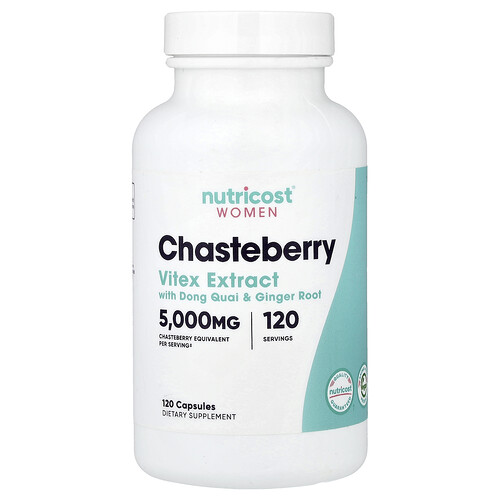
Best for: For buyers specifically considering a named botanical combination and prepared to screen interactions first.
Pros
- Chasteberry, dong quai, and ginger root are named.
- 120-capsule count.
- Rating: 4.7/5 from 287 reviews.
Cons
- Amounts and extraction details are not supplied.
- Not proven here to treat menopause symptoms.
What to watch: Ask a clinician or pharmacist about bleeding, hormone, pregnancy, and medication-related risks before use.
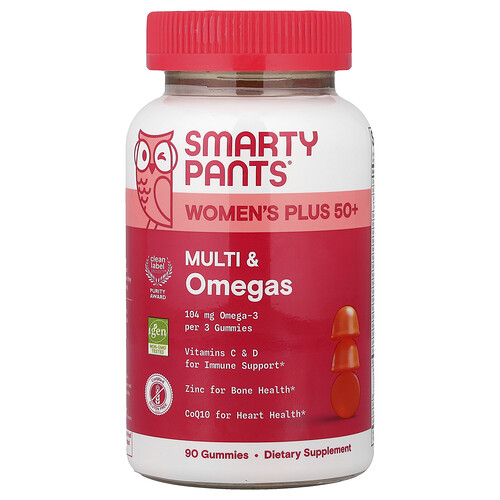
Best for: For buyers who cannot tolerate standard capsules or tablets and prefer a gummy dose form.
Pros
- Gummy format.
- 120-count pack.
- Includes multivitamins and omegas in the product name.
- Rating: 4.6/5 from 582 reviews.
Cons
- Not menopause-specific.
- Gummy excipients and nutrient quantities are not supplied.
What to watch: Check sugar, sweetener, allergen, and total daily nutrient content on the label.
| Product | Price | Rating | Best for |
|---|---|---|---|
| ManForceX | USD79 | — | For buyers willing to investigate an editorial pick before purchase because the supplied listing provides no formulation details. |
| Memo Pezil | USD79 | — | For buyers using the editorial shortlist as a starting point for label verification, not as evidence of efficacy. |
| Memocept | USD79 | — | For highly cautious buyers prepared to reject an opaque listing unless the seller supplies verifiable label data. |
| NATURELO One Daily Multivitamin for Women 50+, 60 vegetable capsules | €27.90 | ★ 4.8/5 · 4,620 reviews | For buyers seeking an age-specific daily multivitamin rather than a symptom-targeted menopause product. |
| One-A-Day Women's 50+ Multi, 100 tablets | €20.74 | ★ 4.8/5 · 4,461 reviews | For buyers who want a conventional tablet with a clear 50+ category and substantial pack count. |
| Garden of Life Dr. Formulated Probiotics Once Daily Women's, 30 plant capsules | €37.49 | ★ 4.7/5 · 26,128 reviews | For buyers prioritizing a once-daily probiotic capsule for a defined microbiota-related reason. |
| Nutricost Women Chasteberry with Dong Quai and Ginger Root, 120 capsules | €17.28 | ★ 4.7/5 · 287 reviews | For buyers specifically considering a named botanical combination and prepared to screen interactions first. |
| SmartyPants Organic Women's Multivitamins and Omegas, 120 gummies | €47.36 | ★ 4.7/5 · 300 reviews | For buyers who cannot tolerate standard capsules or tablets and prefer a gummy dose form. |
This selection uses only the supplied product data. The available information is uneven. Some listings provide a product category, count, price, and public rating. The three editorial picks provide only a name and price. Their ingredient quantities, directions, and ratings are not disclosed here.
The ranking therefore favors label transparency, plausible use case, dose form, price tier, and public buyer data. It does not treat a high rating as proof of menopause efficacy. It also does not treat “women,” “50+,” or “natural” as evidence that a product targets vasomotor symptoms, sleep disruption, bone loss, or genitourinary changes.
What should a natural menopause supplement actually contain?
A useful product should disclose its active ingredients, amounts per serving, serving size, and relevant warnings. Without those details, efficacy cannot be assessed and interaction risk cannot be screened properly.
A product marketed for menopause should be judged against the symptom or nutritional gap the buyer is addressing. A multivitamin may fill selected nutrient gaps. It is not automatically a menopause formula. A probiotic may be relevant to gastrointestinal or vaginal microbiota questions, but the supplied data do not establish a menopause outcome. A botanical product requires the same scrutiny as any other active compound. “Herbal” is not a safety classification.
The supplied listings do not provide full Supplement Facts panels. That is a material limitation. Ingredient identity alone is insufficient. Molecular form, dose, extraction method, standardization, and contaminant controls can alter biological exposure. None of those variables can be inferred from a product name.
How were these products ranked?
They were ranked by practical buying value, not by claimed menopause benefit. Each position has a different purpose: age-specific general coverage, broad multivitamin use, probiotic format, named botanicals, low price, gummies, or editorial inclusion despite missing data.
Public ratings were considered as a signal of purchase history and satisfaction reporting, not as clinical evidence. The highest-rated products are not automatically first. A product with a clear age bracket may be easier to match to a buyer than a broad formula, while a cheaper product may be useful for budget screening but offer less information about formulation quality.
The first positions are therefore not a prescription. They are a procurement order. Buyers should check serving size, exact nutrient quantities, botanical amounts, allergen statements, excipients, third-party testing, and contraindications before purchase. People using anticoagulants, hormone therapy, thyroid medication, antidepressants, or other regular medicines should ask a clinician or pharmacist before adding botanicals or concentrated supplements.
Is a women’s 50+ multivitamin a menopause supplement?
Usually, it is better classified as age-targeted nutritional coverage. A 50+ label may match the buyer’s demographic, but it does not demonstrate treatment of hot flashes, night sweats, sleep changes, mood symptoms, or vaginal symptoms.
This distinction matters because a multivitamin can create false precision. The buyer may receive multiple nutrients without receiving an ingredient selected for the actual complaint. It may still be a rational purchase when diet, intake, or an identified deficiency is the primary issue. It is not a substitute for evaluating persistent or severe symptoms.
Are probiotics relevant during menopause?
They may be relevant to a specific gastrointestinal or vaginal-health question, but the supplied product data do not provide strain details, colony-forming units, or a menopause-specific endpoint. Without strain-level and dose information, comparison is limited.
The probiotic options remain useful as format choices. Delayed-release, once-daily, plant-based capsule, and standard capsule descriptions can affect adherence and tolerance. They do not establish superior efficacy. Buyers should check storage requirements, strain names, serving instructions, and whether the intended use is supported by the label.
Are chasteberry, dong quai, and ginger automatically suitable?
No. A named botanical combination is not automatically appropriate for menopause or for every medication profile. The supplied listing identifies chasteberry, dong quai, and ginger root, but it does not disclose their amounts or extraction specifications.
This is the clearest example of why label review is necessary. Concentrated botanicals can have pharmacological activity and interaction potential. Pregnancy status, bleeding risk, hormone-sensitive conditions, liver disease, and medication use may change the risk assessment. A doctor or pharmacist decides whether the formula is appropriate.
What should you check before buying any option here?
Check the full label before paying: serving size, ingredient amounts, daily dose, excipients, allergens, expiry date, storage conditions, and warnings. Also check whether the product is intended for a nutritional gap or merely positioned toward women of a certain age.
Do not use the rating as a substitute for composition data. Do not assume a higher price means higher potency or better absorption. Do not combine several multivitamins, iron products, and fortified gummies without calculating overlapping nutrients. Excess intake can be clinically relevant, particularly for fat-soluble vitamins and minerals.
Which position would I buy first, and for whom?
I would start with the age-specific multivitamin ranked first only for a buyer seeking general nutritional coverage and willing to verify the full label. It is not a treatment for menopause symptoms. For a symptom-led purchase, I would first obtain clinical guidance rather than selecting an opaque botanical or an editorial pick with undisclosed formulation data.
This article is not medical advice. Food supplements replace neither a balanced diet nor treatment — if you have symptoms, your doctor decides.
Ad · affiliate links · If you buy through these links, we earn a commission.